

Glen Innes sits on the Beardy Waters catchment, in the New England Tablelands of New South Wales. The town's economy is built substantially around grazing and wool, and it is a high-elevation New England town with genuine winter snow risk - both facts that shape what "adequate" water storage actually looks like for a property or business here, rather than a generic national default.
Water storage decisions made without accounting for local climate and demand context tend to under-perform exactly when they are needed most. For Glen Innes, that means sizing, siting and maintaining tank infrastructure against the conditions the region actually produces, not the conditions a standard specification assumes.
A cool-climate inland centre
Glen Innes is on the Beardy Waters catchment, and that geography carries real consequences for water storage: a high-elevation New England town with genuine winter snow risk. Any tank specification for the area needs to start from these conditions, not from a metro assumption carried across without adjustment.
Demand from grazing
Grazing And Wool is a defining part of Glen Innes's economy, and it places its own demands on local water infrastructure alongside ordinary potable and fire storage needs. A tank owner or facility manager here is rarely dealing with a single, simple demand profile - process, fire and potable requirements typically sit on the same site and can compete for the same storage margin if it isn't planned for properly.

For a property in or around Glen Innes, the practical takeaway is that water storage deserves the same rigour a metro site would apply to networked backup infrastructure - arguably more, given a high-elevation New England town with genuine winter snow risk. That means sizing storage against realistic local demand and dry-period duration, keeping a maintained inspection schedule so the tank delivers its full rated capacity when drawn down hard, and treating fire compliance storage as a protected reserve rather than a shared pool with everyday use.
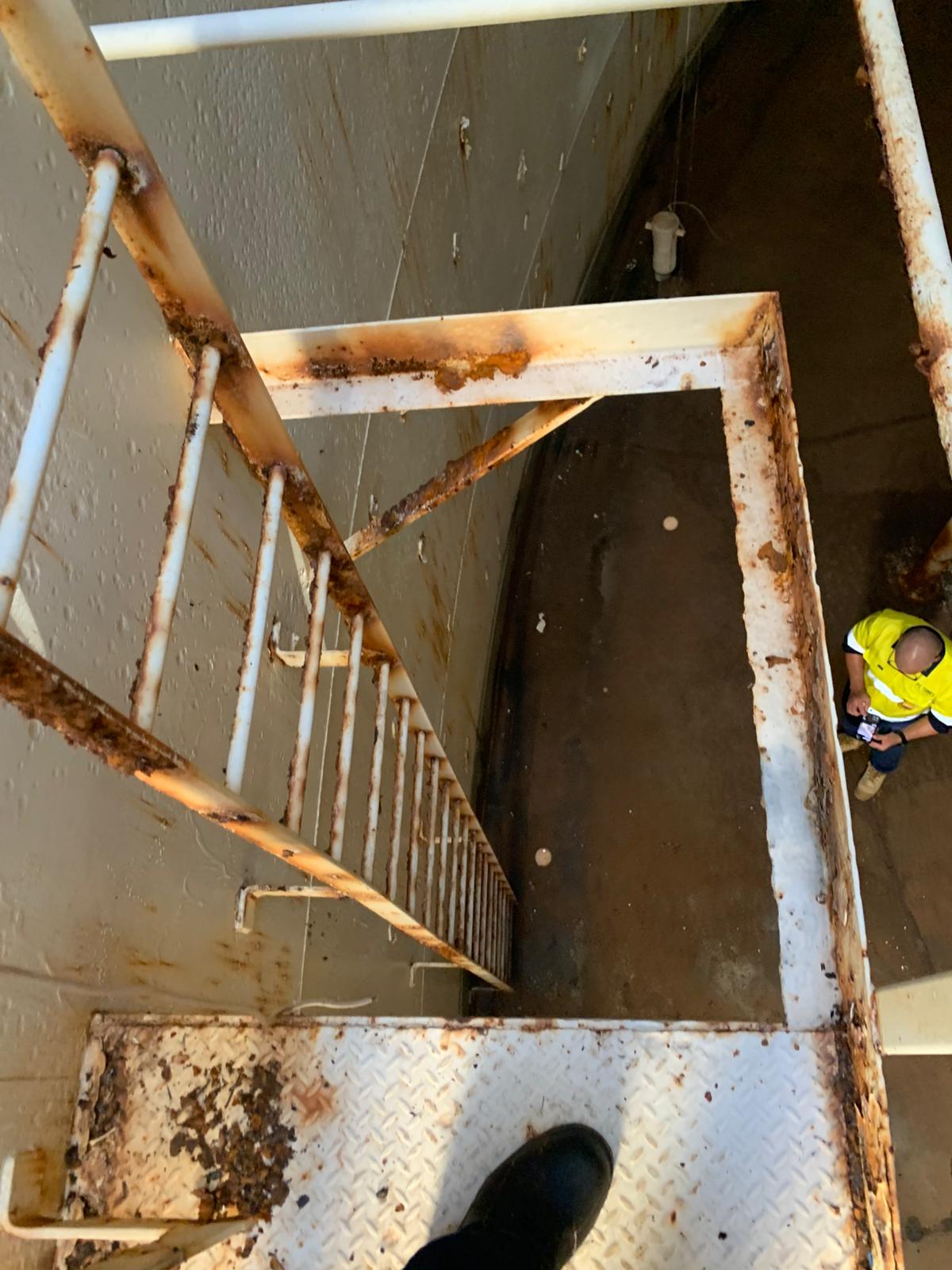
Glen Innes's water infrastructure has to work with a specific set of local conditions, not around them. Storage that is sized and maintained for those conditions is what actually performs when it is tested.
| Check | Why it matters locally |
|---|---|
| Inspection schedule matched to actual duty cycle | A tank drawn down hard needs a tighter inspection interval than a lightly used backup |
| Fire compliance volume isolated from general draw | Fire water reserve has to be protected from being quietly consumed by everyday demand |
| Frost protection on exposed pipework and fittings | Genuine sub-zero nights create freeze risk this region's design has to account for |
What makes water storage in Glen Innes different from a metro specification?
Mainly the local climate and demand profile - Glen Innes is a high-elevation New England town with genuine winter snow risk, which changes sizing, structural design and maintenance priorities compared with a standard city default.
Does grazing affect water storage requirements for other properties in Glen Innes?
Indirectly, yes. A local economy built around grazing and wool shapes regional water infrastructure priorities and available contractor expertise, even for a property with a straightforward potable or fire storage need.
How often should a tank in the New England Tablelands be inspected?
It depends on duty cycle and local conditions rather than a fixed national interval - a tank drawn down hard through Glen Innes's climate pattern generally needs a tighter inspection schedule than a lightly used backup elsewhere.
Own or manage water storage infrastructure in or around Glen Innes? PC Water Infrastructure delivers tank design, installation and maintenance suited to the New England Tablelands's real conditions.
Discuss Your Water Storage Requirements