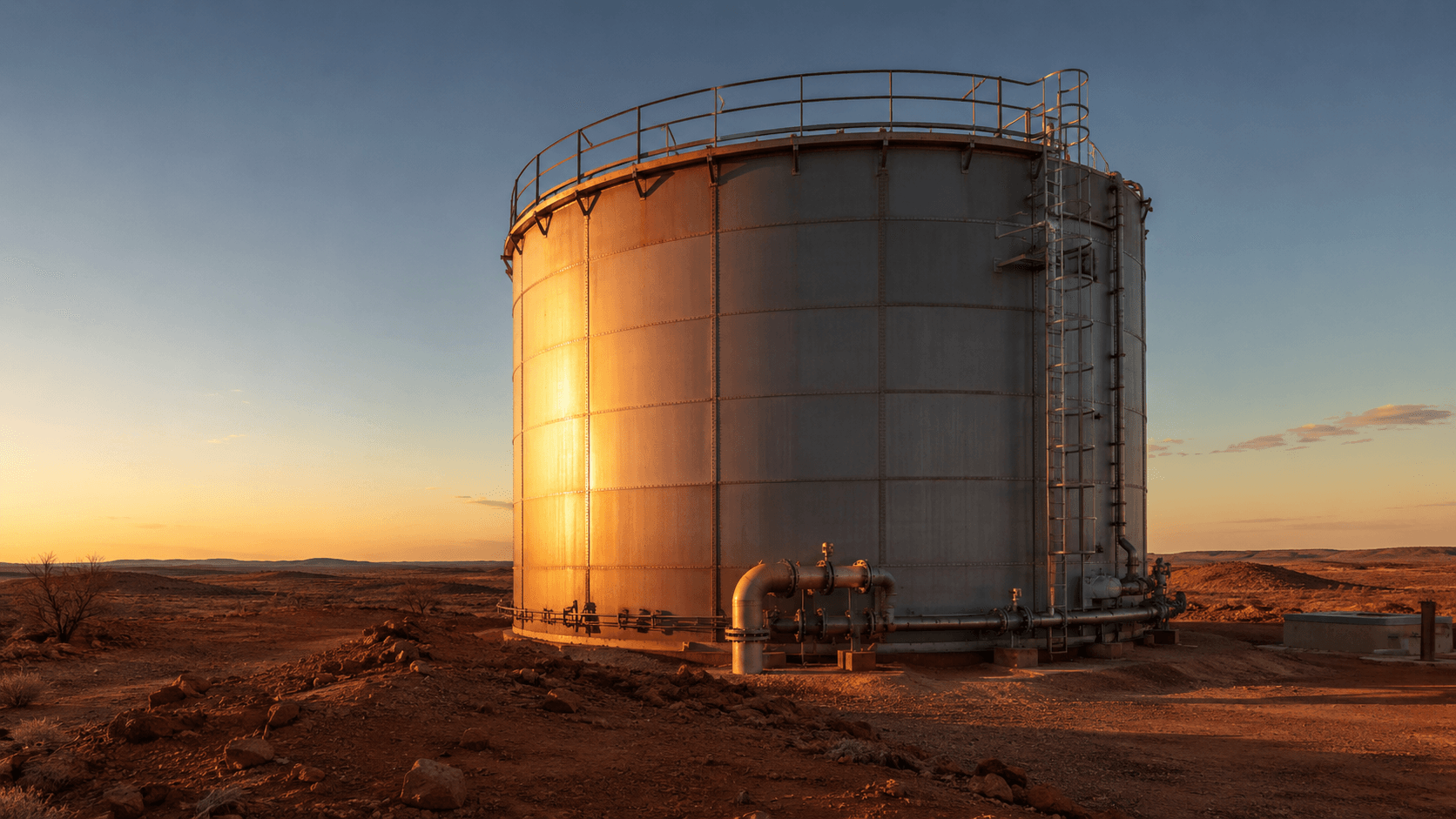
Mine closure planning treats every piece of site infrastructure as something that eventually needs a defined end state, and water storage - potable tanks, process tanks, and environmental control reservoirs alike - is no exception. Decommissioning obligations are typically set out in the mine closure plan well before actual closure, not worked out reactively once production has ceased.
Environmental control reservoirs carry particular decommissioning complexity given their direct contact with contact water and, potentially, contaminated sediment over the operating life of the mine - rehabilitation of these structures needs to address both the physical infrastructure and any residual contamination, under conditions the environmental approval and closure plan will have specified.
Structural removal versus rehabilitation in place
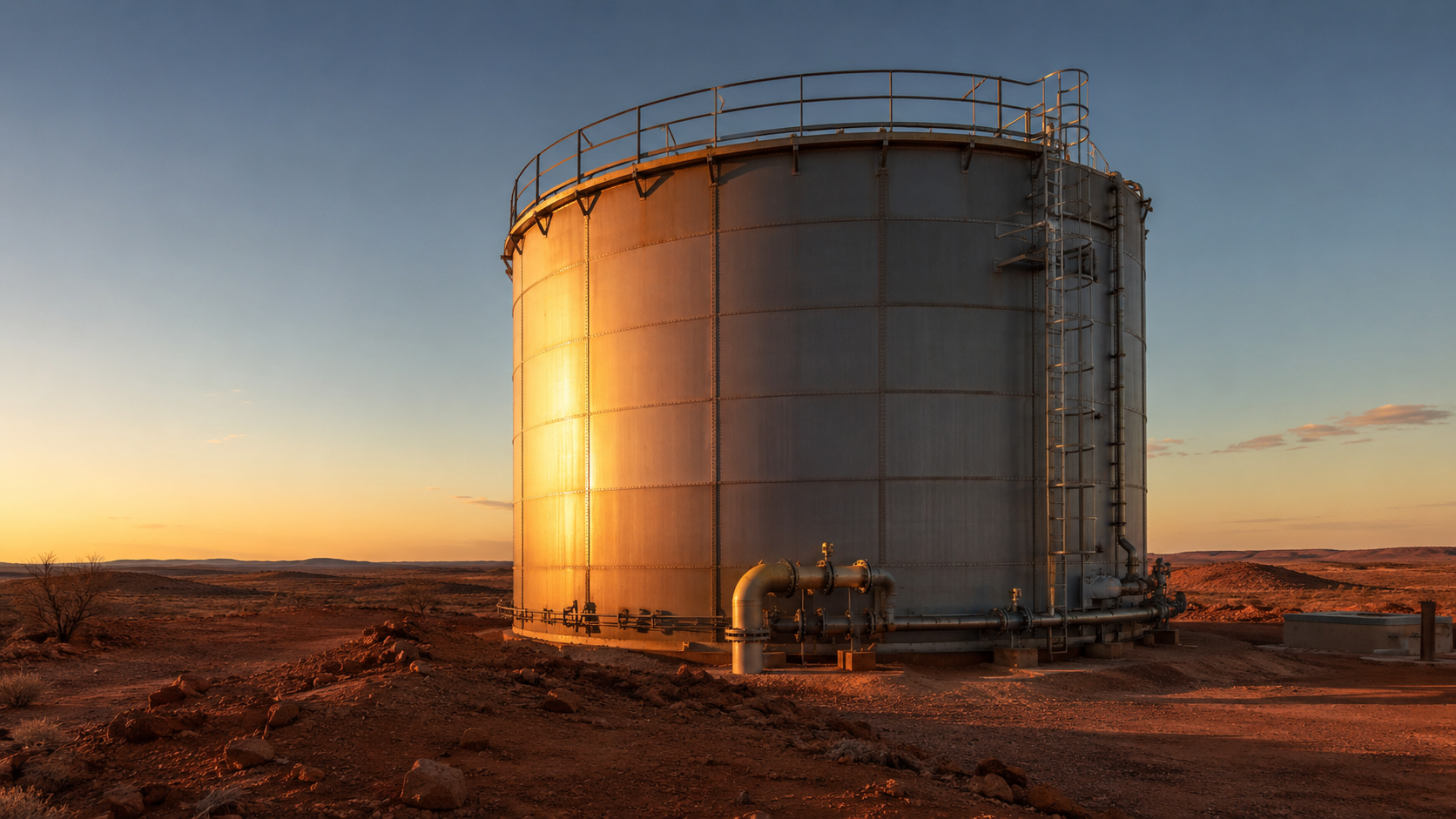
Depending on the closure plan and the specific structure, water storage decommissioning can mean full removal of the tank or reservoir structure, or in some cases rehabilitation and repurposing in place - the closure plan and relevant approvals determine which applies, and this needs to be confirmed early rather than assumed.
Contaminated sediment and residual material management
Tanks and reservoirs that held process water or contact water over an operating life can accumulate sediment or residual material requiring specific handling and disposal as part of decommissioning - this needs proper assessment before physical decommissioning work begins, not discovered partway through.
Meeting the standard set in the closure plan and approvals
Decommissioning work needs to be delivered against the specific standard set out in the mine closure plan and any relevant environmental approvals - these documents, not general industry practice, are the actual compliance benchmark for what constitutes properly completed decommissioning.
Documentation supporting closure sign-off
Regulators reviewing mine closure typically require documented evidence that decommissioning was completed to the specified standard - maintaining thorough records throughout the decommissioning process supports a smoother closure sign-off rather than requiring reconstruction of the record after the fact.
Water storage decommissioning at mine closure is judged against the specific obligations set out in the closure plan, not a general industry standard - getting those obligations confirmed early avoids costly rework later.
| Step | Purpose |
|---|---|
| Confirm closure plan and approval requirements | Determines removal versus rehabilitation approach for each structure |
| Assess sediment and residual material | Identifies handling and disposal needs before physical work begins |
| Deliver to the specified closure standard | The actual compliance benchmark, not general industry practice |
| Maintain documentation throughout | Supports regulator sign-off on completed closure |
Are water storage tanks always fully removed during mine decommissioning?
Not always - depending on the closure plan and relevant approvals, some structures may be rehabilitated and repurposed in place rather than fully removed. This is determined by the closure plan, not assumed.
What happens to sediment or residual material in a tank being decommissioned?
This needs proper assessment before decommissioning begins, since tanks that held process or contact water can accumulate material requiring specific handling and disposal as part of the closure process.
What standard does mine-site water storage decommissioning need to meet?
The specific standard set out in the mine closure plan and relevant environmental approvals - these documents are the actual compliance benchmark, not a general industry practice assumption.
Planning water storage decommissioning or rehabilitation as part of mine closure? PC Water Infrastructure delivers to your closure plan requirements.
Discuss Mine Closure Water Infrastructure