Food and beverage processors often assume that because their water supply meets Australian Drinking Water Guidelines, their water storage infrastructure is automatically fit for purpose across every part of the operation. In practice, potable-grade water is the regulatory floor, not a guarantee that water quality will remain suitable for every processing step between the tank and the finished product.
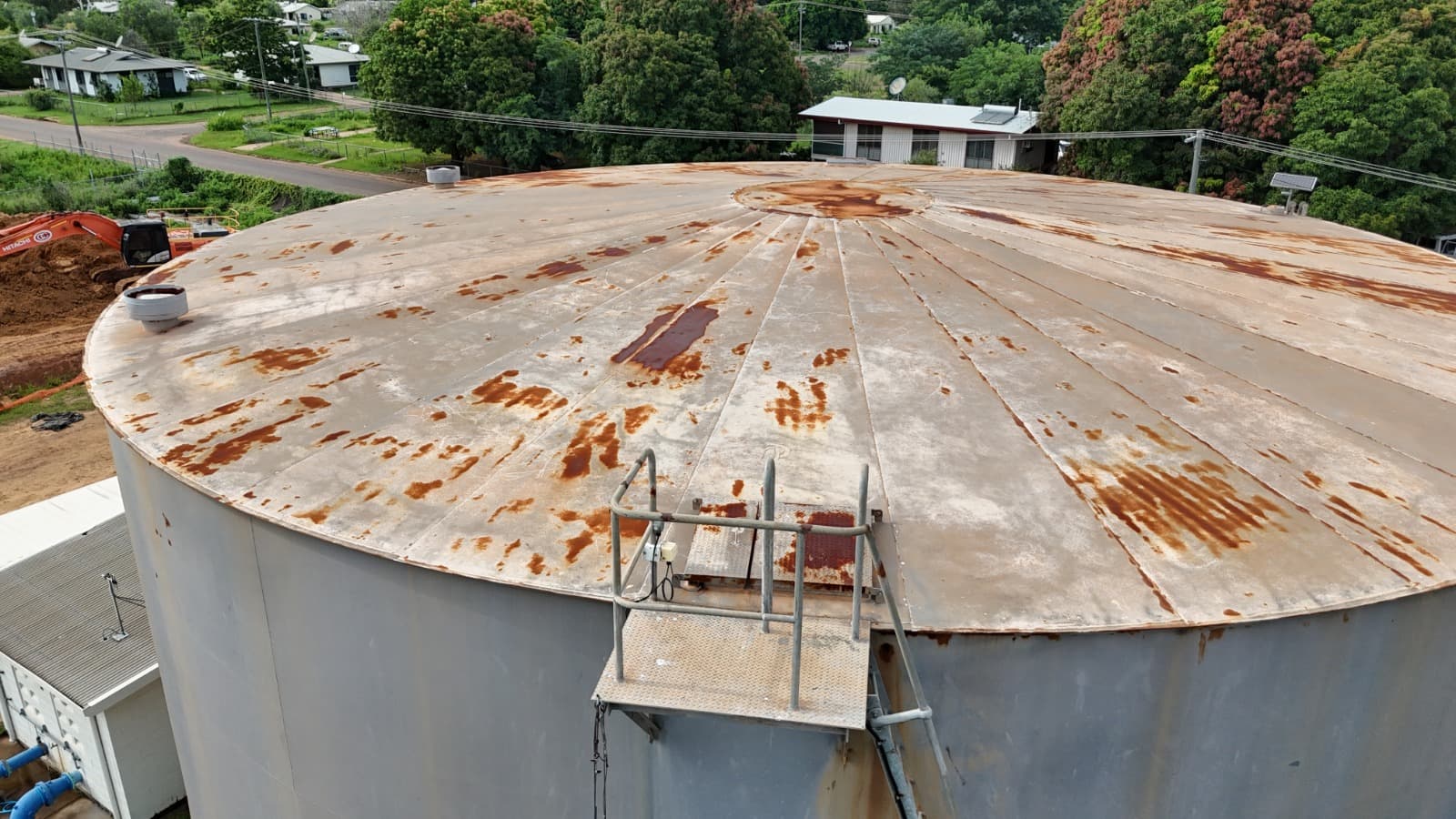
Storage sits between the point where water enters the site as compliant potable supply and the point where it is actually used in a process - and what happens inside that storage tank, over however long the water sits there, can change its suitability for sensitive applications even when the water going in was fully compliant.
Process-specific quality requirements beyond drinking water standards
Certain food and beverage processes - particularly those sensitive to mineral content, microbial load below drinking water thresholds, or specific chemical parameters relevant to the product - have quality requirements that exceed general potable water standards. Storage and any associated treatment need to be specified against the actual process requirement, not assumed adequate because the input water is potable.
Biofilm and stagnation risk in low-turnover storage
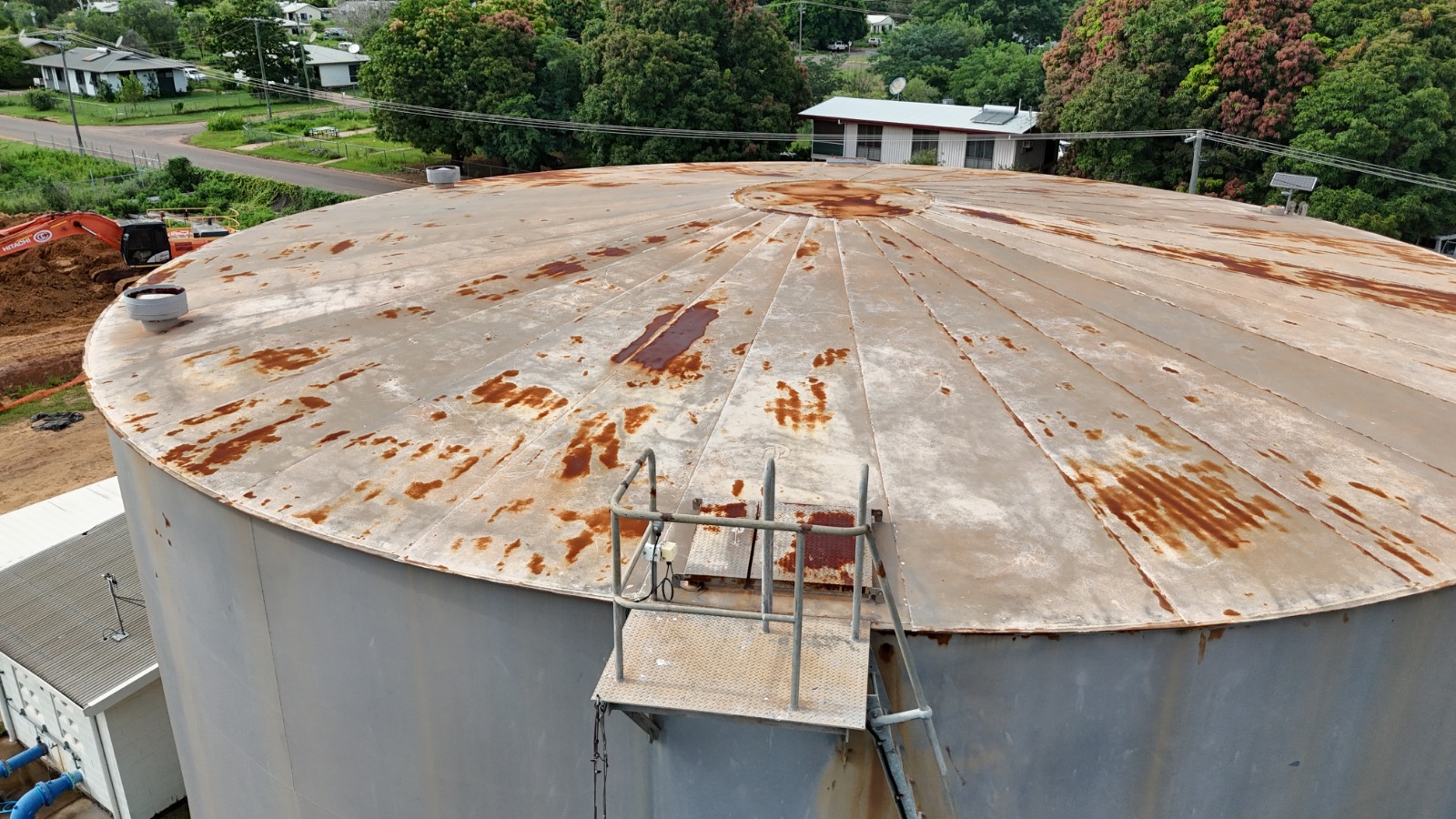
A tank that is oversized relative to actual demand, or that serves an intermittently used part of the process, can develop water quality issues through low turnover even while holding water that was fully compliant on entry - biofilm formation and disinfection residual decay both increase with dwell time.
Storage condition as a food safety plan input
Tank condition, cleaning frequency and water quality monitoring at the storage point should be documented within the facility food safety plan, not treated as a separate facilities maintenance matter disconnected from the quality management system.
Segregating potable and process water where required
Where a site handles both general potable supply and higher-specification process water, keeping these clearly segregated - separate storage, clearly labelled piping, and no cross-connection - protects both the general potable system and the sensitive process from contamination risk in either direction.
Meeting the drinking water standard at the point water enters a facility says nothing about whether it still meets that standard, or a stricter process standard, at the point it is actually used.
| Item | Why it matters |
|---|---|
| Process-specific water quality requirements | Can exceed general potable water standards |
| Storage turnover rate | Low turnover increases biofilm and disinfection residual decay risk |
| Storage condition documented in food safety plan | Connects facilities maintenance to the quality management system |
| Potable and process water segregation | Prevents cross-contamination between systems |
Is potable water always suitable for food and beverage processing?
It is the regulatory baseline, but some processes have quality requirements that exceed general drinking water standards, and storage tank condition and turnover can also affect water quality between entry and point of use.
Why does storage tank turnover rate matter for water quality?
Water sitting in storage for longer periods is more prone to biofilm formation and disinfection residual decay, which can affect suitability for sensitive processes even if the water was fully compliant when it entered storage.
Should storage tank maintenance be part of a food safety plan?
Yes - tank condition, cleaning frequency and water quality monitoring at the storage point are best documented as part of the facility food safety plan rather than managed separately from quality systems.
Reviewing water storage and quality for a food or beverage processing facility? PC Water Infrastructure specifies storage against your actual process requirements.
Discuss Process Water Storage