
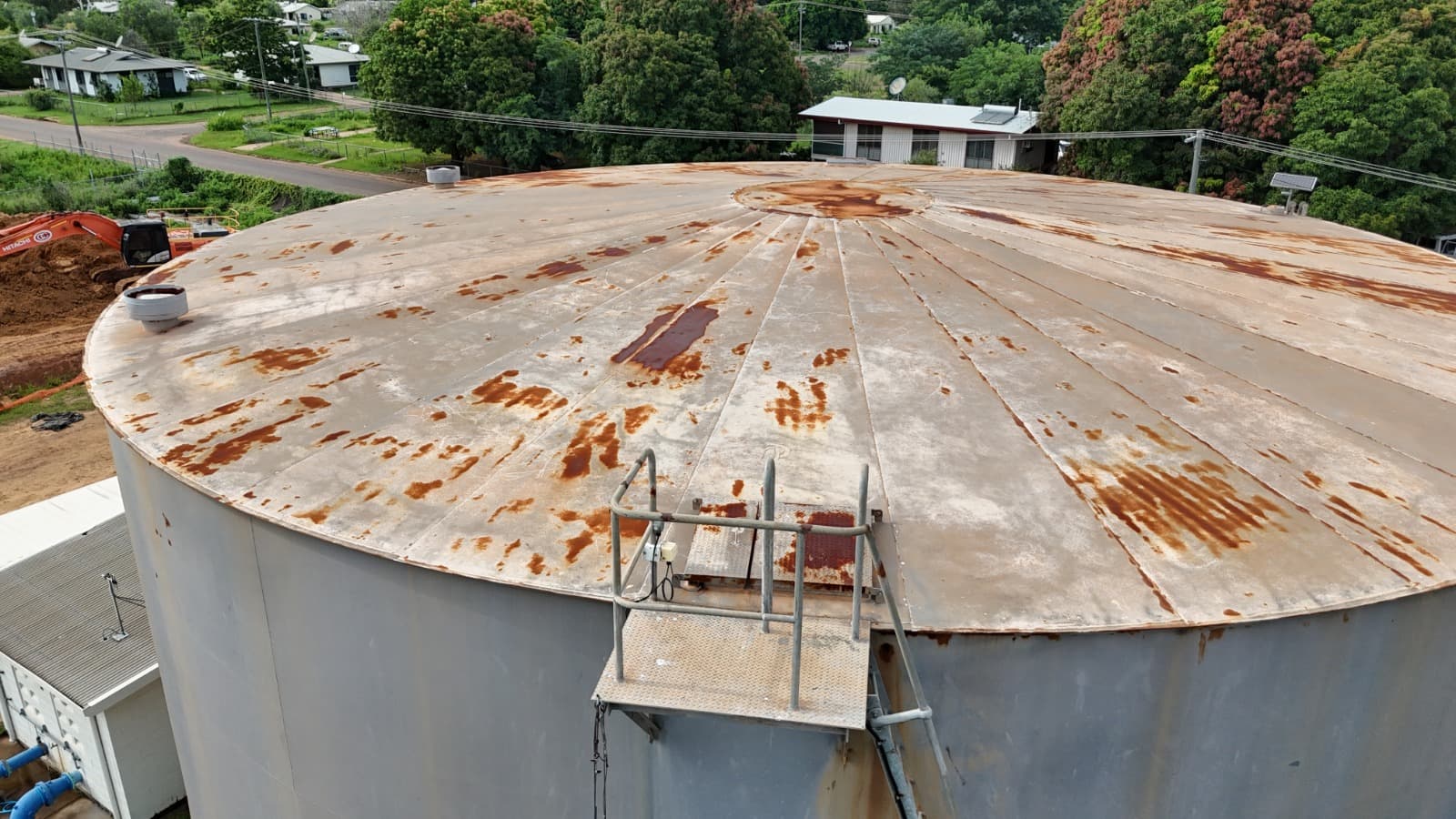
Brewers and distillers care about water chemistry in a way most water users do not, because mineral content, pH and specific ion concentrations directly influence the character of the finished product. Storage infrastructure for brewing or distilling water needs to preserve that chemistry, not just deliver a compliant potable supply.
This is a different brief to most process water storage applications, where the priority is usually keeping contamination out and volume adequate. For brewing and distilling water, the storage tank also needs to avoid introducing anything - taste, odour, or chemical interaction with the tank material itself - that could alter the water profile the production process was designed around.
Material selection to avoid taste and chemistry interaction
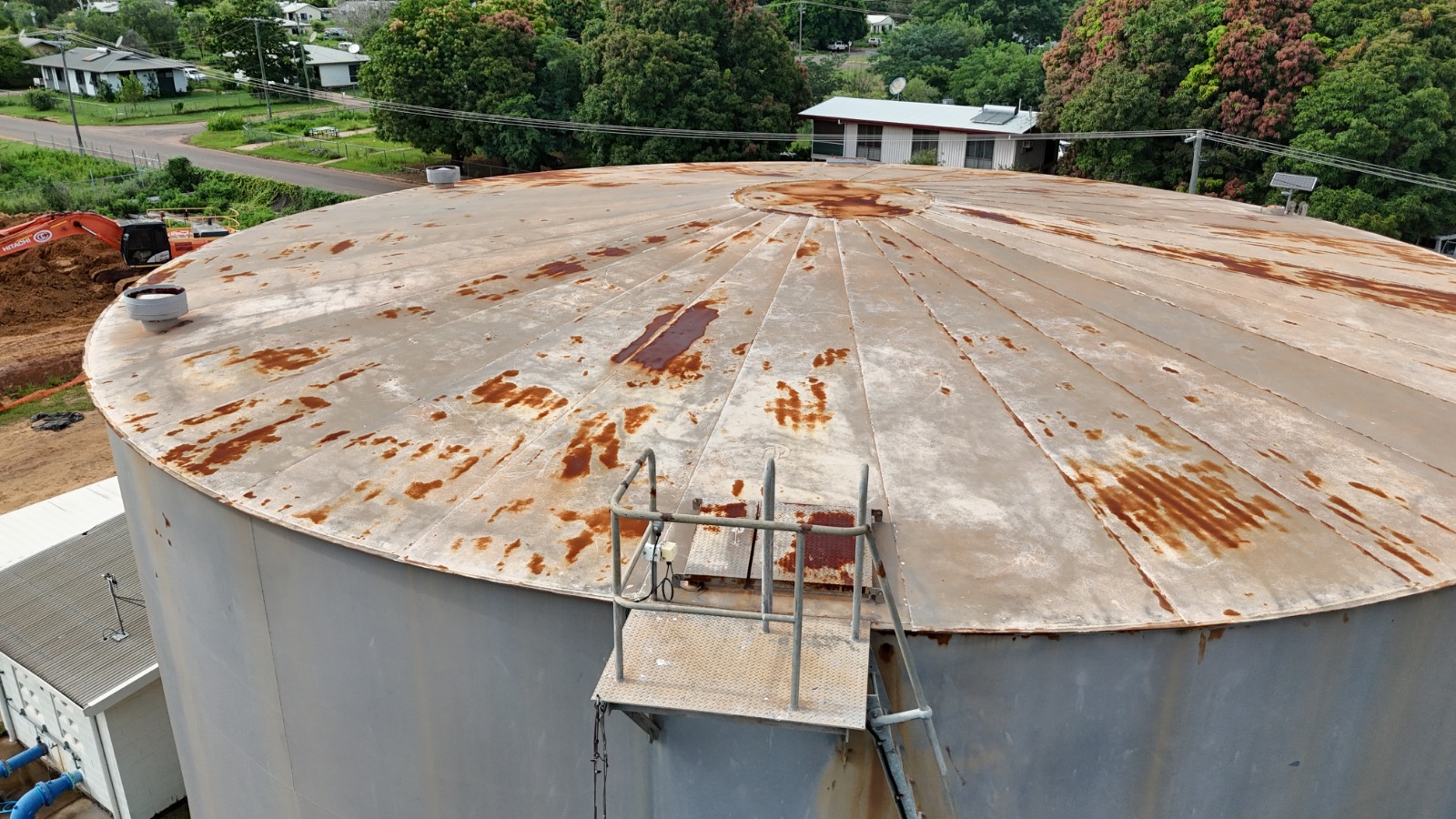
Tank lining and material choices for brewing or distilling water storage need to avoid any interaction that could affect taste or introduce unwanted chemical changes - this is a more demanding material specification than general potable water storage, where taste-neutrality is desirable but rarely the primary design driver.
Treatment integration where water chemistry needs adjustment
Many breweries and distilleries treat incoming water to adjust mineral content or remove specific compounds before it reaches the production process, and storage needs to be positioned correctly within that treatment train - storing water before versus after treatment has different implications for what the storage tank itself needs to protect against.
Storage volume tracking production batch cycles
Water demand for brewing and distilling tends to follow batch production cycles rather than a continuous draw, which means storage needs to buffer against the specific timing of production runs - a facility running large batches with gaps between them has a different storage profile to one running smaller, more continuous production.
Cleaning and sanitation water as a separate consideration
Alongside process water, breweries and distilleries use significant water for cleaning and sanitation between batches - this demand should be planned and, where sensible, stored separately from the water chemistry-critical process supply, since the two have quite different quality requirements.
Storage for brewing and distilling water has succeeded when the water coming out tastes and behaves exactly like the water that went in - anything else is the storage system doing more to the product than it should.
| Item | Why it matters |
|---|---|
| Taste and chemistry-neutral tank materials | Prevents unwanted interaction with process-critical water |
| Correct positioning relative to treatment | Storage before or after treatment has different protection needs |
| Volume matched to batch production cycles | Demand is not continuous, it follows the production schedule |
| Separate cleaning and sanitation water storage | Different quality requirements to process water |
Why does water chemistry matter so much for brewing and distilling?
Mineral content, pH and specific ion concentrations directly influence the character of beer and spirits, so preserving the intended water chemistry through storage is a production quality issue, not just a compliance one.
Should brewing water be stored before or after treatment?
This depends on the facility process design - storage can sit at different points in the treatment train, and its position affects what the tank needs to protect the water against.
Does cleaning water need separate storage from process water?
This is generally advisable, since cleaning and sanitation water has different quality requirements to water chemistry-critical process supply, and keeping them separate avoids any risk of cross-contamination affecting the product.
Planning water storage for a brewery or distillery, with process water chemistry to protect? PC Water Infrastructure designs storage around your production process.
Discuss Brewery Water Storage