

Reusing greywater or treated wastewater for irrigation, toilet flushing or industrial process use is increasingly common — and increasingly sensible from a water conservation standpoint. It is also a different tank specification problem to potable storage, in ways that matter beyond simply accepting lower water quality.
Greywater and treated wastewater carry organic load and biological activity that potable water, by definition, does not — even after treatment, reuse water typically retains nutrient levels and microbial presence that would not be acceptable in a drinking water context but are managed and accepted for its intended non-potable use. Storage needs to be designed around that reality, not treated as a cheaper version of a potable tank.
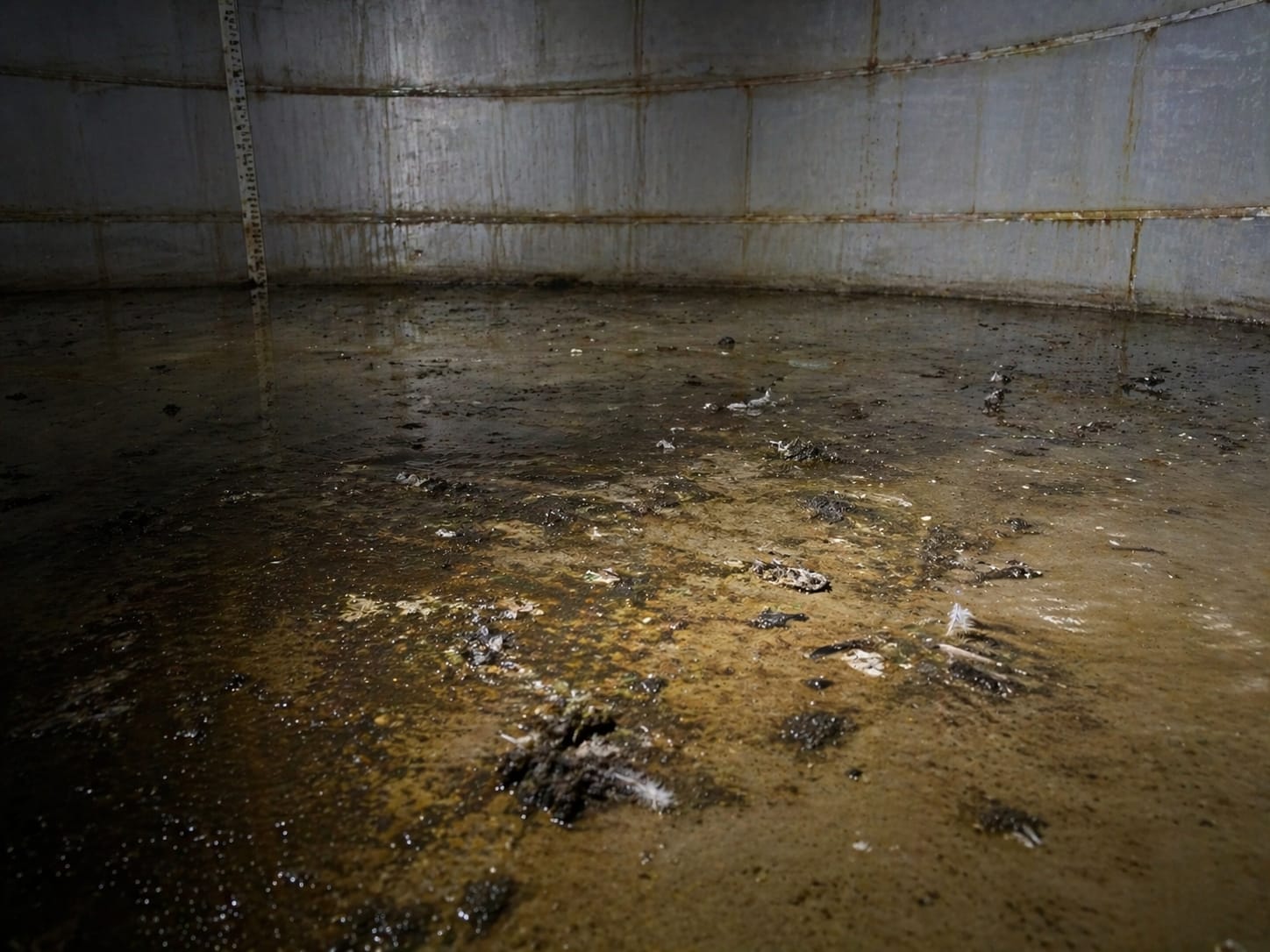
Biological activity requires different management
Higher organic and nutrient content in reuse water supports more biological growth than potable water storage typically experiences, which can mean more frequent cleaning cycles, different material choices to resist biofilm establishment, and sometimes supplementary treatment such as disinfection immediately before use, depending on the reuse application and its associated risk profile.
Regulatory cross-connection control is non-negotiable
Wherever a site has both potable and reuse water systems, cross-connection control — physical separation, backflow prevention, and typically dedicated purple or lilac-coded pipework and fittings under Australian convention — is a strict regulatory requirement, not a best-practice suggestion. A cross-connection between reuse and potable systems is a genuine public health risk, and regulators treat non-compliance in this area accordingly.
Material selection needs to account for the specific water chemistry
Depending on the treatment process and source, reuse water can carry a different chemical profile than potable water — different pH, different dissolved solids, sometimes residual treatment chemicals — and tank material needs to be assessed against that actual chemistry rather than assumed compatible because it works for potable applications.
Clear, consistent labelling throughout the system
Every access point, tank and pipe run in a reuse system needs clear, standard-compliant labelling identifying it as non-potable — this is a basic but critical safeguard against accidental cross-use, particularly on sites where contractors or staff unfamiliar with the specific system layout might otherwise assume any tap or hose bib is drinking-safe.
Greywater and wastewater reuse storage is not potable storage with lower standards — it is its own storage category with its own biological, material and regulatory requirements that need to be specified deliberately.
| Check | Why it matters |
|---|---|
| Cleaning frequency matched to higher biological load | Reuse water supports more biological activity than potable storage |
| Backflow prevention at every potable/reuse interconnection | Prevents a genuine public health cross-contamination risk |
| Material compatibility checked against actual reuse water chemistry | Potable-compatible materials are not automatically reuse-water compatible |
| Consistent non-potable labelling across the whole system | Prevents accidental cross-use by staff or contractors |
Does greywater storage need to be cleaned more often than potable storage?
Often yes, because greywater and treated wastewater typically carry higher organic and nutrient content that supports more biological growth. The actual required frequency depends on the source water and treatment process, but reuse storage generally cannot follow a potable-storage cleaning schedule by default.
Why is purple pipe used for greywater and reuse water systems?
Purple or lilac-coded pipework is an Australian standard convention specifically used to visually distinguish non-potable reuse water pipework from potable supply, reducing the risk of accidental cross-connection during installation, maintenance or future site changes.
Can a potable water tank be repurposed for greywater storage?
It may be possible in some cases, but material compatibility with the actual reuse water chemistry, biological load management, and full cross-connection control from the potable system all need to be properly assessed before repurposing — it should not be assumed safe by default.
Planning a greywater or wastewater reuse storage system? PC Water Infrastructure can specify storage matched to your reuse application and regulatory requirements.
Discuss Water Reuse Storage