
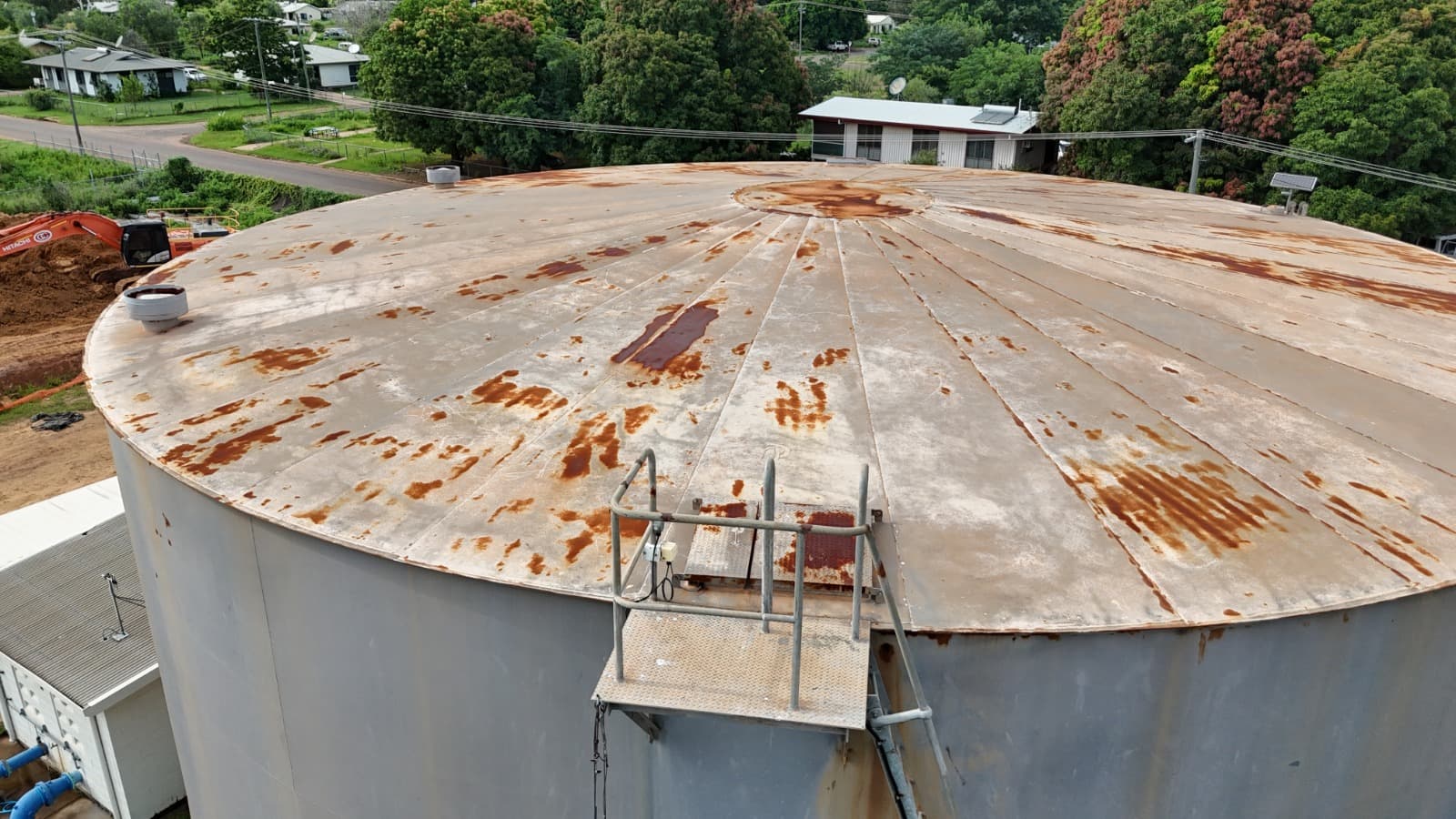
Rainwater harvesting and reticulated backup storage both involve a tank, and both are commonly described as "water storage" — but they are solving fundamentally different problems, sized against different demand patterns, and specified against different risks.
Rainwater harvesting: supplementing or replacing a primary supply
A rainwater harvesting system captures and stores roof runoff to reduce or replace reliance on a reticulated main supply, typically sized against roof catchment area, expected rainfall pattern, and the demand it needs to offset. Its reliability depends on rainfall — a dry period reduces the system's contribution regardless of tank size.
Reticulated backup storage: continuity when the main supply fails
Backup storage exists to bridge a gap when the primary reticulated supply is interrupted — a mains failure, a scheduled outage, or an emergency event. It is sized against expected demand during an outage of a defined duration, not against rainfall, and its value depends entirely on that stored volume being available and protected, independent of weather.
Sizing against the wrong demand pattern
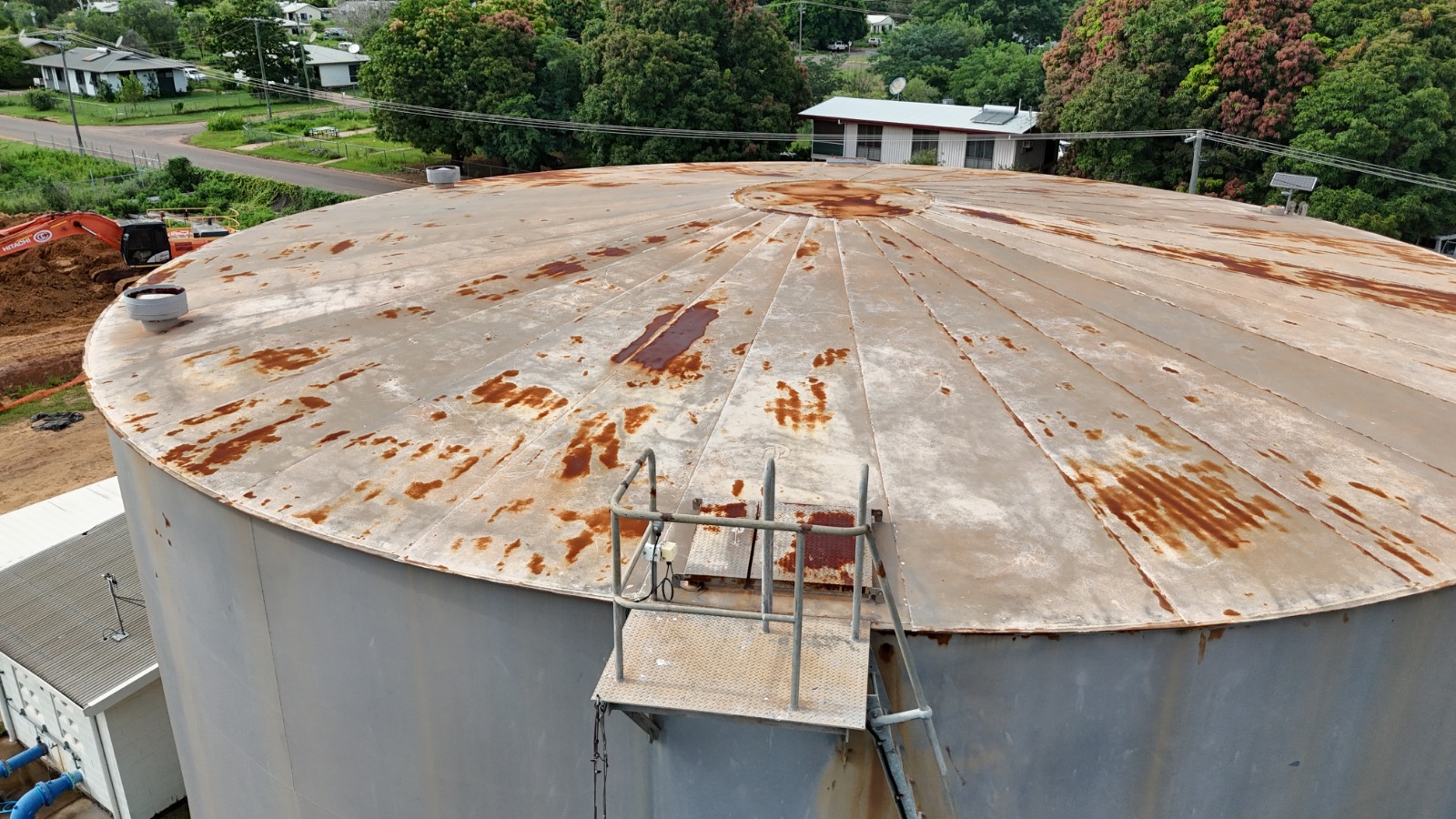
A rainwater tank sized purely against average annual rainfall will not necessarily provide the guaranteed volume backup storage needs to deliver during an outage — the two sizing calculations are answering different questions and should not be substituted for each other.
Assuming one system covers both risks
A property relying solely on rainwater harvesting has no protection against a prolonged dry period; a property relying solely on reticulated supply with no backup has no protection against a mains outage. Many sites — particularly remote or regional ones — genuinely need both, configured to work together rather than as substitutes for each other.
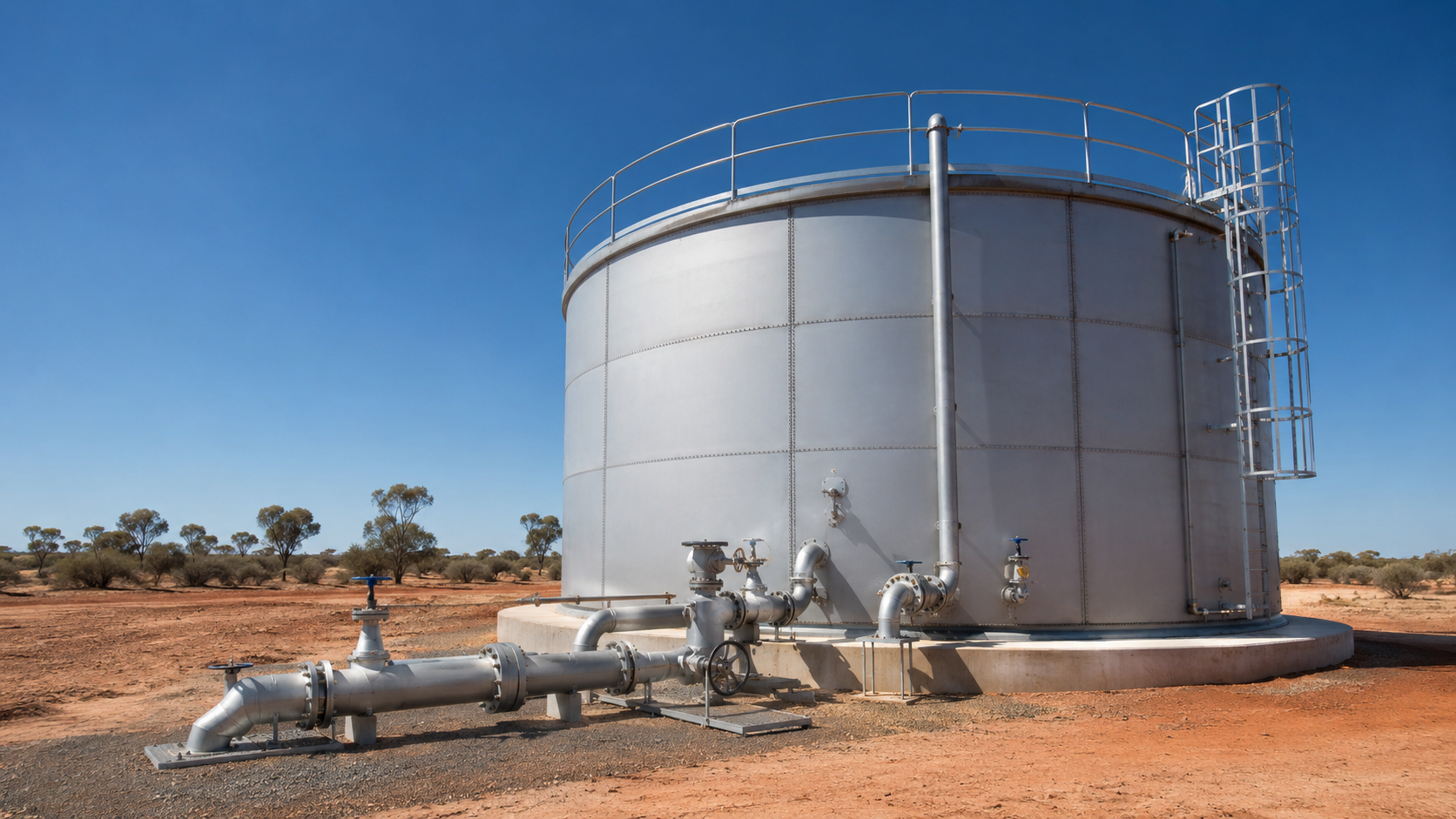
The question is not "rainwater tank or backup tank" — it is what specific risk each part of your water strategy is meant to cover. Get that clear first, and the sizing and configuration follow naturally.
| Situation | Likely fit |
|---|---|
| Reduce reliance on mains supply, no outage protection needed | Rainwater harvesting, sized to roof catchment and demand offset |
| Protect against mains outages, reliable rainfall not assumed | Reticulated backup storage, sized to outage duration and demand |
| Remote or regional site with both rainfall variability and outage risk | Combined system, configured with a clearly reserved backup volume |
| Fire compliance requirement alongside general water strategy | Dedicated, separately reserved fire volume — not shared with general backup |
Can one tank serve as both a rainwater harvesting system and a backup water supply?
It can, but only if it is specifically designed to — with a reserved minimum volume protected from general use, separate from the portion drawn down for everyday demand. Without that reservation, a single tank tends to end up providing neither function reliably.
How is backup storage volume calculated, if not from rainfall data?
It is calculated from expected demand during a defined outage duration — how much water the property or site needs per day, multiplied by how many days of interruption the storage needs to bridge. This is a demand-and-duration calculation, independent of local rainfall patterns.
Is rainwater harvesting a reliable water source on its own for a remote property?
It depends heavily on local rainfall reliability and the property's demand. In areas with variable or seasonal rainfall, rainwater harvesting is often best paired with a backup or supplementary source rather than relied on exclusively, particularly for essential or continuous demand.
Not sure whether your property needs rainwater harvesting, backup storage, or both? We can help size a system against your actual risk.
Discuss your water storage strategy