
Water is food. Not metaphorically — literally. We pipe it into people's homes and serve it up 24 hours a day. Which means the vessel it's stored in matters as much as what's in it.
Think of it this way: your water treatment plant is the kitchen. The distribution system is the crockery. Anyone who's watched Ramsay's Kitchen Nightmares knows that a brilliant kitchen can still send people to hospital if the plates are dirty. The same logic applies to every storage tank in Australia.
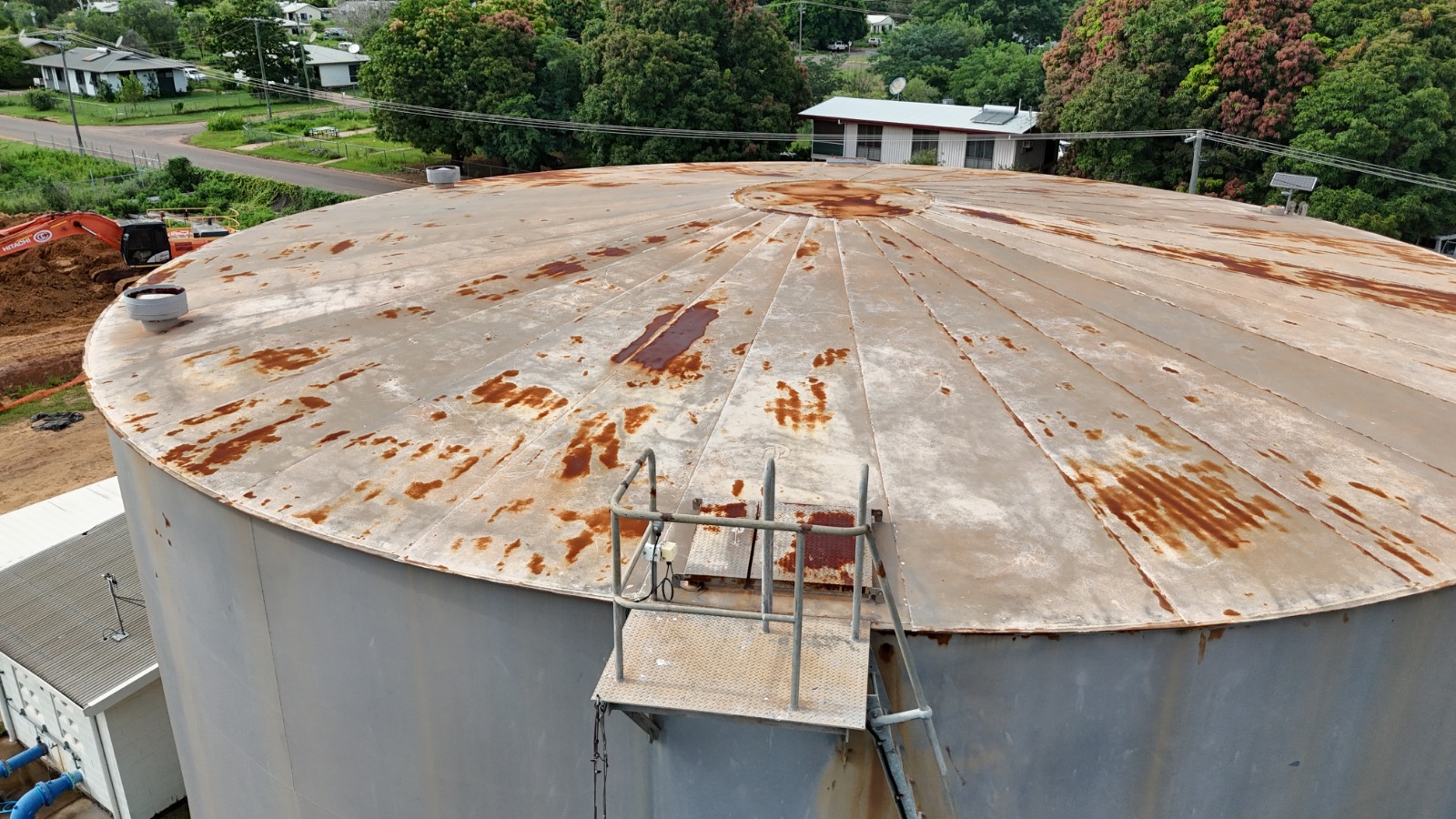
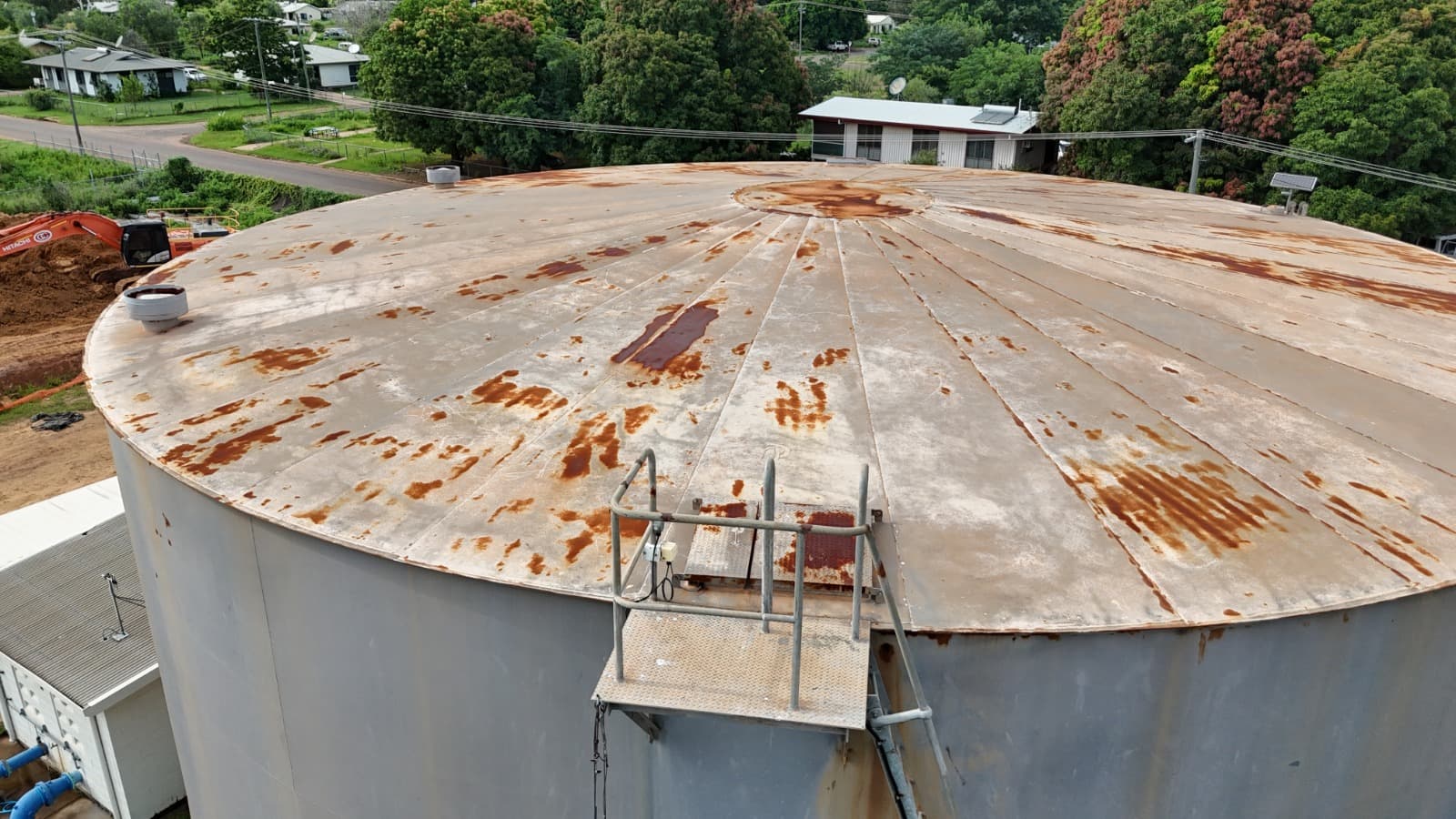
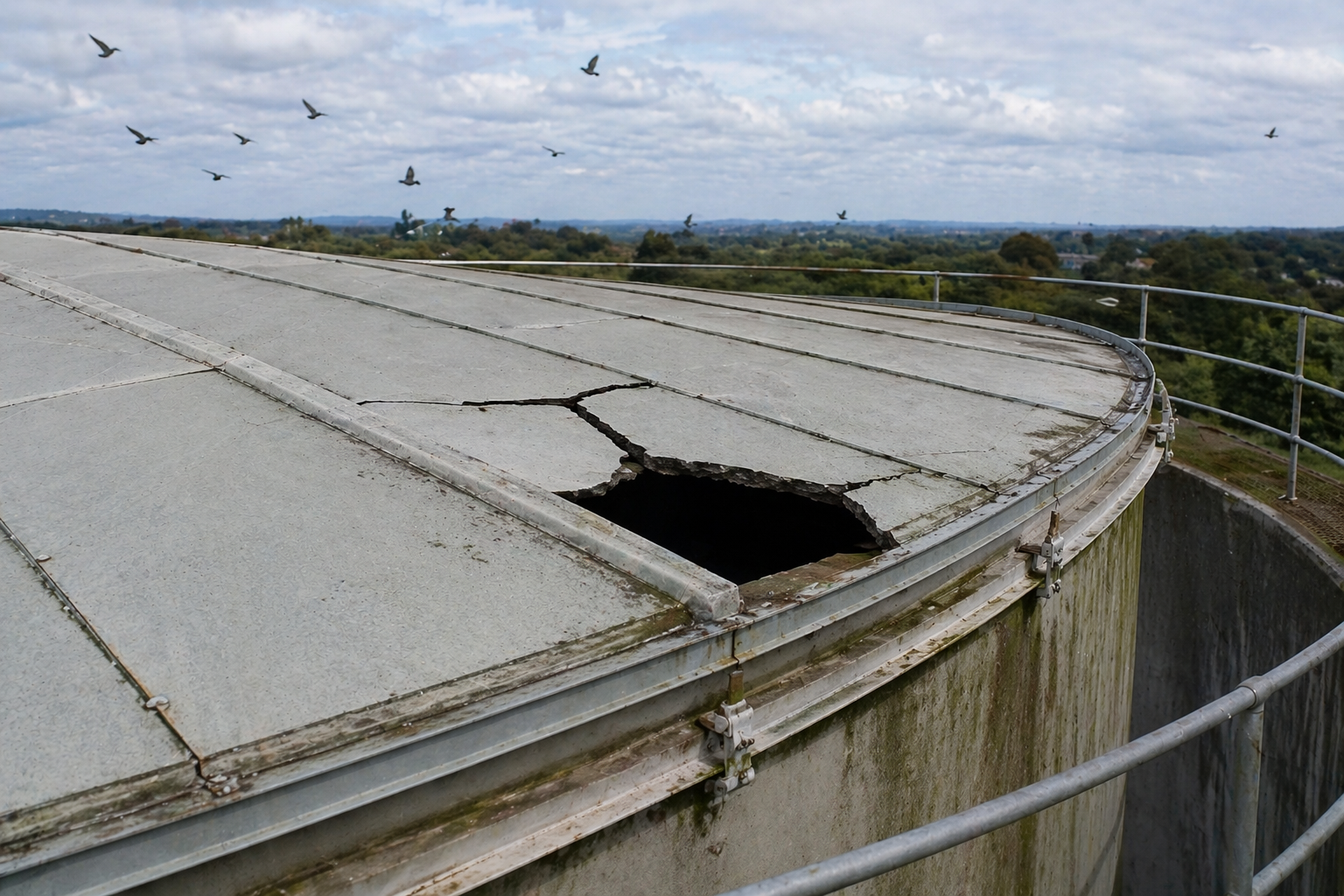
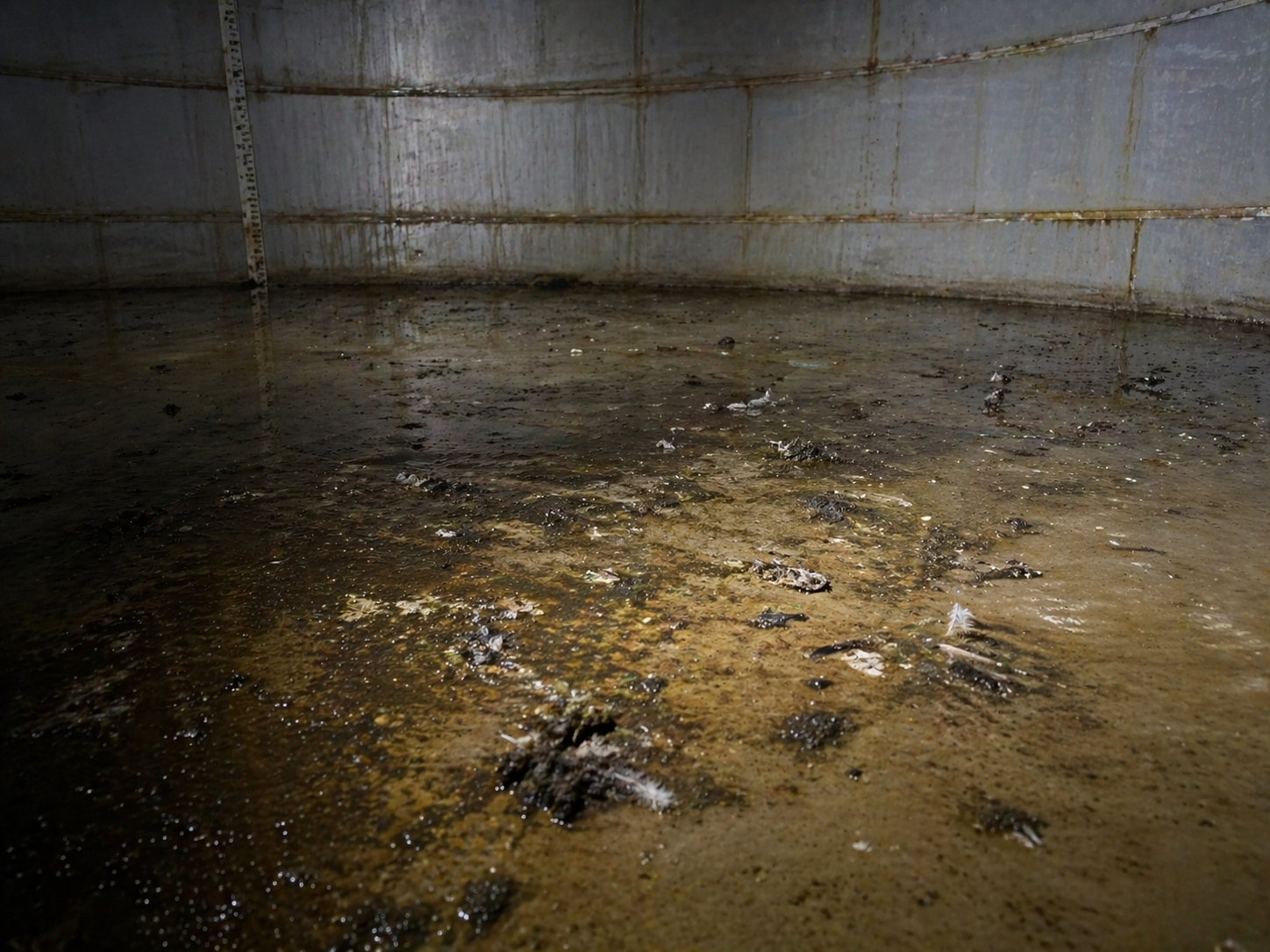
Across Australia, there are thousands of potable water storage tanks that have never been properly assessed. Tanks with cracked roofs where birds roost and leave waste behind. Tanks with corroded walls leaching iron into treated drinking water. Tanks whose liners failed years ago, silently.
The difference between a dirty plate and a dirty tank? You can see the plate. Most Australians have no idea what condition the vessel holding their drinking water is in — and in many cases, neither do the asset owners.
Proactive maintenance isn't expensive — deferred maintenance is. A tank that receives regular inspection and cleaning costs a fraction of one that requires emergency remediation or full replacement. The restaurants that make their customers sick don't stay in business long. The water industry works the same way.
The question isn't whether your tank is at risk. It's whether you know the condition it's in right now — and whether that would hold up if someone looked inside.
In Australia, potable water storage tanks sit between the treatment plant and the tap — but unlike the plant itself, many are never formally inspected. A tank with a cracked roof or failed liner can silently re-contaminate treated water over months or years. Proactive inspection and maintenance is not optional infrastructure spending; it is the last line of defence before the tap.
Why is water stored in tanks if it has already been treated?
Treated water needs to be held close to where it is used — treatment plants cannot pump on demand around the clock. Storage tanks are the buffer between treatment and distribution. Their condition directly affects the quality of water that reaches the tap.
Can a water storage tank contaminate drinking water?
Yes. A tank with a damaged roof, corroded lining, or cracked access hatch can allow animal entry, sediment accumulation, and chemical leaching into treated drinking water. PC Water Infrastructure inspects and assesses tanks against AS4020 compliance criteria to identify exactly these failure modes.
How often does a water storage tank need to be inspected in Australia?
For fire water storage tanks, AS1851-2012 mandates routine inspection at defined intervals. For potable storage tanks, most Australian water authorities target inspection cycles of 1–4 years depending on tank size, condition history, and risk rating.
What are the early warning signs that a water storage tank needs attention?
Common indicators include discoloured water, taste or odour changes, visible external corrosion, access hatches that no longer seal properly, and evidence of roof damage or animal activity near inlet or overflow points. Many failures are internal and cannot be identified without a formal inspection.
What is the difference between a potable water tank and a fire water tank?
A potable water tank must meet AS4020, which governs materials in contact with drinking water. A fire water tank is designed to hold non-potable water under AS2304. The two are not interchangeable — inspection, lining, and maintenance requirements differ significantly between the two standards.
PC Water Infrastructure provides inspection, cleaning, and condition assessment for water storage assets across Australia — potable, fire, and industrial.
Request an inspection