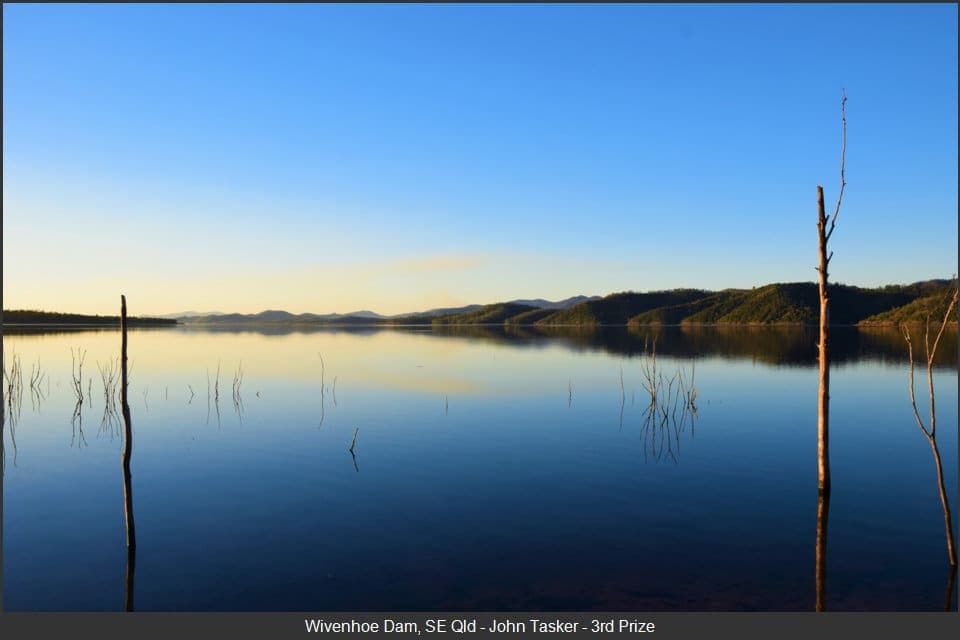
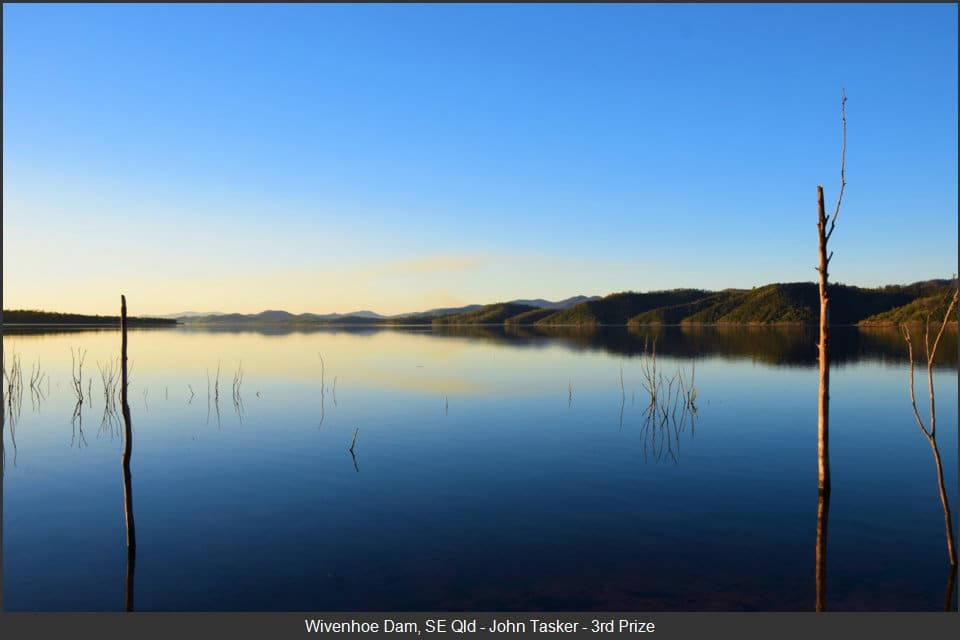
Wivenhoe Dam, built in the wake of the 1974 Brisbane floods and later playing a central flood mitigation role during the 2011 floods, anchors much of South East Queensland's water supply alongside a regional grid connecting multiple dams and treatment plants - infrastructure developed significantly during and after the Millennium Drought to build supply resilience across the fast-growing region.
South East Queensland remains one of the fastest-growing regions in Australia, and that growth translates directly into sustained demand for new water storage infrastructure - fire protection for new commercial and residential development, process water for expanding industrial precincts, and ongoing upgrade work on the region established infrastructure base.
Sustained growth-corridor demand for new infrastructure
Brisbane and its surrounding growth corridors continue to see significant new commercial, industrial and residential development, each requiring correctly specified fire and potable water storage from the outset rather than infrastructure retrofitted after the fact.
Subtropical climate and storm event considerations
Brisbane subtropical climate, including significant seasonal storm intensity, is a relevant factor in freeboard and overflow sizing for water storage, alongside broader structural design considerations that need to account for the region weather patterns.
Regional Queensland water security diversity
Queensland spans an enormous range of water security contexts, from South East Queensland's regional grid resilience through to genuinely remote and cyclone-exposed communities further north - storage infrastructure needs across the state vary considerably by region.
Industrial and resources sector demand across the state
Beyond South East Queensland, the state substantial mining and resources sector and regional industrial centres create distinct water storage demand, often in locations with quite different supply and logistics considerations to the growth corridors around Brisbane itself.
South East Queensland's regional water grid was built specifically to withstand exactly the kind of supply pressure sustained growth creates - and that same growth is what keeps generating ongoing demand for new, well-specified storage infrastructure at the individual site level.
| Consideration | Why it matters locally |
|---|---|
| Sustained growth-corridor development | Ongoing demand for correctly specified new storage infrastructure |
| Subtropical storm event sizing | Affects freeboard, overflow and structural design decisions |
| Regional Queensland supply diversity | Varies considerably from the South East Queensland grid |
| Statewide mining and resources demand | Distinct storage needs beyond the Brisbane growth corridor |
Does PC Water Infrastructure deliver projects in Brisbane and across South East Queensland?
Yes. We deliver water storage infrastructure across Brisbane and the broader South East Queensland growth corridor, spanning commercial, industrial and residential development projects.
Why does South East Queensland have a regional water grid?
The grid was developed significantly during and after the Millennium Drought to connect multiple dams and treatment plants across the region, building supply resilience that a single-source system would not provide.
Does subtropical climate affect water storage design in Brisbane?
Yes - seasonal storm intensity is a relevant factor in freeboard and overflow sizing, alongside broader structural design considerations for the region weather patterns.
Planning water storage infrastructure in Brisbane or across South East Queensland? PC Water Infrastructure delivers growth-corridor and established-area projects alike.
Discuss a Brisbane Project