
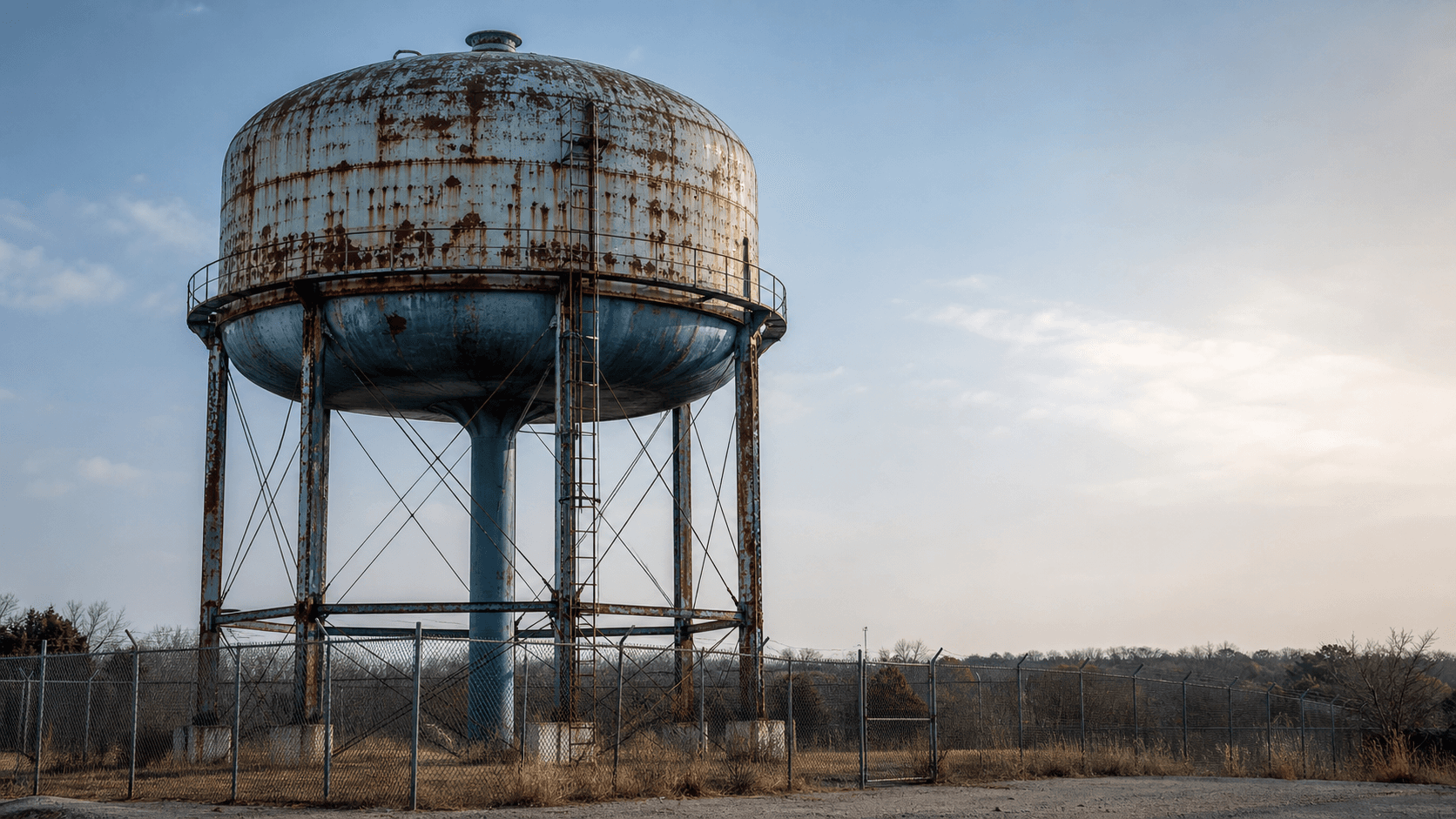
A concrete wall in a typical building can tolerate fine cracking that has no functional consequence beyond appearance. A concrete wall holding back water in a reservoir cannot — the same hairline crack that would be cosmetically acceptable elsewhere becomes a leak path. AS3735 exists because liquid-retaining concrete structures are a genuinely different design problem.
AS3735 — Concrete structures retaining liquids — sets out design requirements specifically aimed at controlling cracking to a degree that keeps a structure watertight, not just structurally adequate in the conventional load-bearing sense. This shifts the design emphasis in ways that surprise engineers used to standard concrete design working on their first reservoir project.
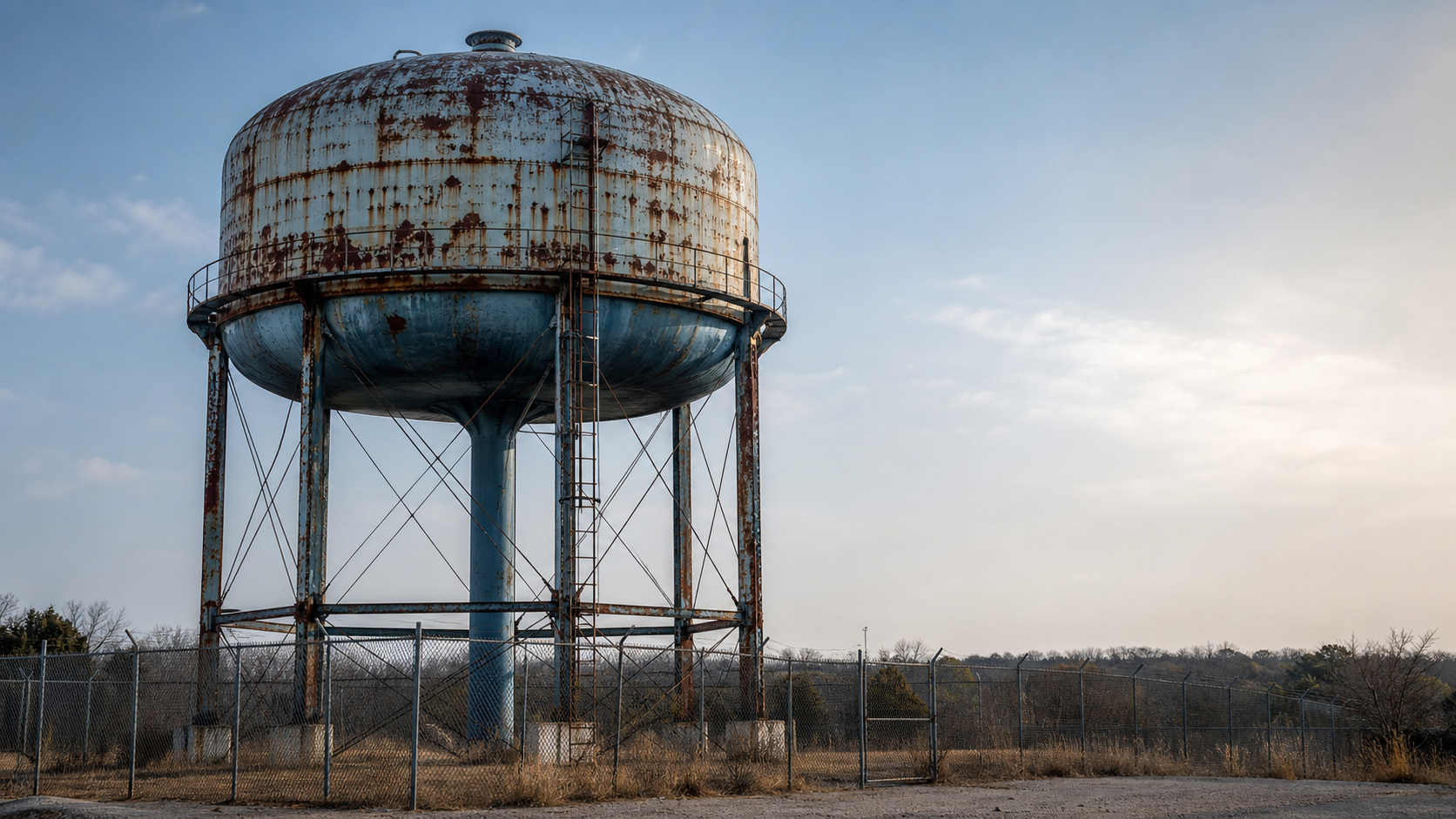
Crack width limits, not just load capacity
Standard concrete design confirms a structure can carry its design loads without failing. Liquid-retaining design under AS3735 adds a further requirement: that cracking, which is a normal and expected behaviour of reinforced concrete under load and shrinkage, is controlled to widths narrow enough that the structure remains effectively watertight. This is achieved through reinforcement detailing — bar spacing, cover and quantity — specifically calculated for crack control, not just for strength.
Restraint and shrinkage effects are a bigger deal
Reservoir walls and floors are often restrained by adjoining elements and by their own mass during curing, and this restraint against natural shrinkage generates tensile stresses that can crack the concrete even before any liquid load is applied. AS3735 design and construction practice — including pour sequencing, joint placement and curing methods — specifically manage this early-age cracking risk, which is a less prominent concern in typical building concrete design.
Construction joints are engineered features, not convenient stopping points
Where a concrete pour has to stop and resume — a construction joint — that joint is a potential leak path unless properly detailed with waterstops and prepared surfaces for the next pour. In liquid-retaining structures, joint locations are planned as part of the structural design, not decided on site based on how far the crew got before the end of the day.
Curing quality directly affects long-term watertightness
Proper curing reduces early shrinkage cracking and helps the concrete achieve its designed low-permeability characteristics. Reservoir concrete is typically held to a stricter curing regime than standard structural concrete, because the consequence of inadequate curing is not just reduced strength — it is reduced watertightness in a structure whose entire purpose is holding water without loss.
A reservoir does not fail structurally in the way most people picture concrete failure. It fails by leaking through cracks the concrete design never adequately controlled in the first place.
| Check | Why it matters |
|---|---|
| Reinforcement detailed for crack width control, not just strength | AS3735's core additional requirement beyond standard concrete design |
| Construction joint locations planned in the design | Undetailed joints are a common leak path in reservoirs |
| Waterstops specified at all construction and movement joints | Provides a physical barrier to water migration through the joint |
| Curing regime specified and enforced on site | Directly affects both early cracking risk and long-term permeability |
Why can't concrete reservoirs be designed to ordinary building concrete standards?
Ordinary concrete design confirms structural adequacy but tolerates a level of cracking that has no functional consequence in most buildings. In a reservoir, that same cracking becomes a leak path, so AS3735 adds specific crack-control requirements that standard concrete design does not address.
Are construction joints a weak point in concrete reservoirs?
They can be if not properly detailed. A construction joint is a potential leak path unless it includes appropriate waterstops and surface preparation for the subsequent pour. In liquid-retaining structures, joint locations and detailing are planned as part of the structural design, not decided arbitrarily during construction.
Does poor curing actually affect whether a reservoir leaks?
Yes. Inadequate curing increases early shrinkage cracking risk and can reduce the concrete's designed low-permeability characteristics, both of which directly affect long-term watertightness — not just structural strength, which is the more commonly assumed consequence of poor curing.
Planning or reviewing a concrete reservoir structure? PC Water Infrastructure applies AS3735-compliant design and construction practice to liquid-retaining structures.
Discuss Reservoir Design