
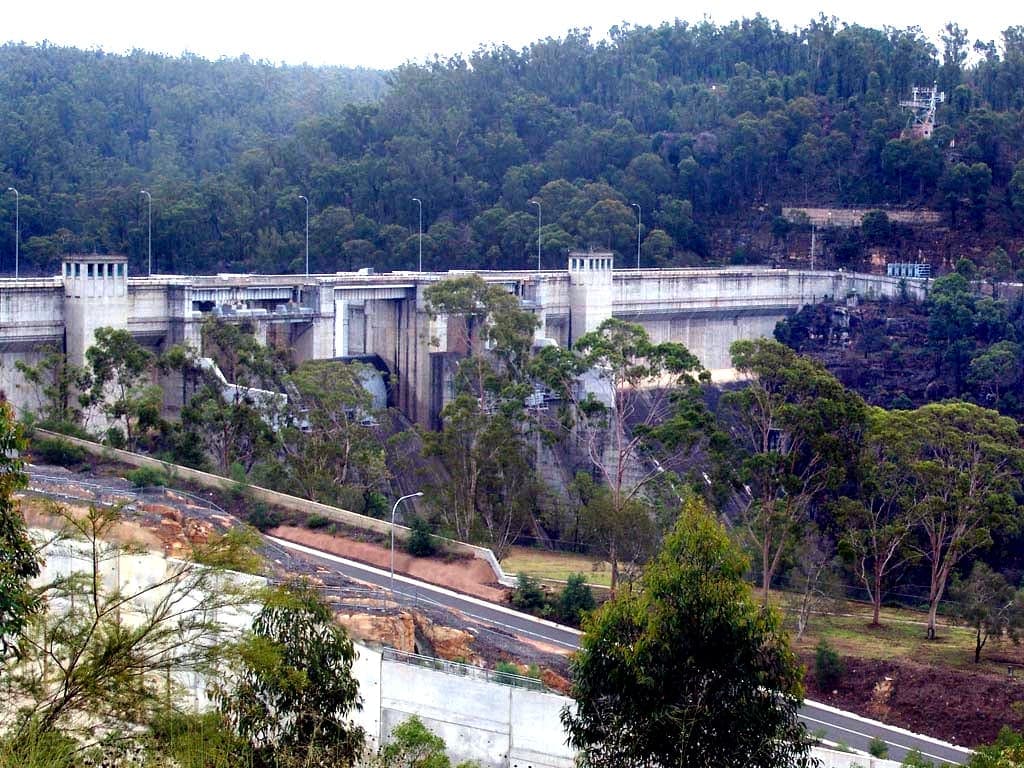
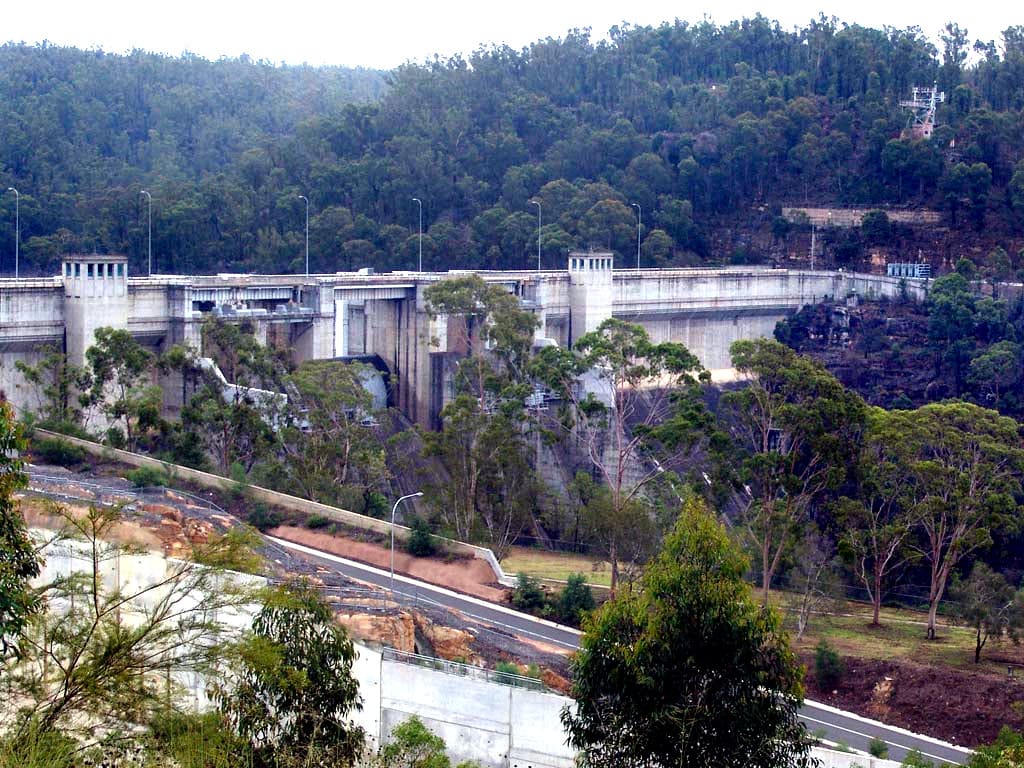
Sydney draws the large majority of its metropolitan water supply from Warragamba Dam, one of the largest urban water supply dams in Australia, backed by desalination capacity brought online to reduce the system reliance on rainfall-dependent storage. This is a genuinely large and resilient supply system - but scale at the metropolitan level does not remove the need for individual sites to manage their own storage and fire protection compliance correctly.
Australia's largest city carries a correspondingly large and varied commercial and industrial base, from Western Sydney's substantial industrial and logistics precincts through to dense CBD and inner-city commercial development, each with different water storage drivers shaped by building type, occupancy and industry.
Western Sydney industrial and logistics growth
Western Sydney continued growth as a logistics, manufacturing and distribution hub has created ongoing demand for correctly specified fire and process water storage across a wave of new industrial development, alongside the maintenance and upgrade needs of established facilities in the same corridor.
High-density commercial and residential development
Dense commercial and high-rise residential development across the Sydney metropolitan area creates fire water storage requirements shaped by building classification and occupancy density, and structural integration considerations that matter particularly for high-rise projects.
Regional NSW water security context
Beyond the Sydney basin, regional New South Wales communities face a considerably more variable water security picture, from Central West drought resilience challenges through to Riverina agricultural water demand - storage infrastructure needs across the state look quite different from the metropolitan context.
Coastal and climate considerations across the state
New South Wales spans a significant climate and geographic range from the Sydney basin through to inland and coastal regional areas, and material and design specification for water storage needs to reflect the specific regional context rather than a single metropolitan-derived default.
A resilient metropolitan supply system like Sydney's does not remove the need for individual commercial and industrial sites to get their own storage and fire compliance right - the scale of the source system is a separate question from the reliability of any one site infrastructure.
| Consideration | Why it matters locally |
|---|---|
| Western Sydney industrial and logistics growth | Ongoing demand for new and upgraded fire and process water storage |
| High-density commercial and residential development | Occupancy-driven fire storage sizing and structural integration needs |
| Regional NSW supply variability | Considerably less consistent than the metropolitan supply system |
| Statewide climate range | Requires region-specific rather than uniform specification |
Does PC Water Infrastructure deliver projects in Sydney and across NSW?
Yes. We deliver water storage infrastructure across metropolitan Sydney and regional New South Wales, spanning industrial, commercial and residential development projects.
Does Sydney's large water supply system mean individual sites do not need their own storage planning?
No - metropolitan supply scale and resilience is a separate question from whether an individual commercial or industrial site has correctly specified and compliant fire and process water storage of its own.
Is regional NSW water security similar to metropolitan Sydney?
No - regional New South Wales communities face a considerably more variable water security picture than the metropolitan Sydney basin, which changes how storage infrastructure should be planned across the state.
Planning water storage infrastructure in Sydney or across New South Wales? PC Water Infrastructure delivers metropolitan and regional projects across every sector.
Discuss a Sydney Project