
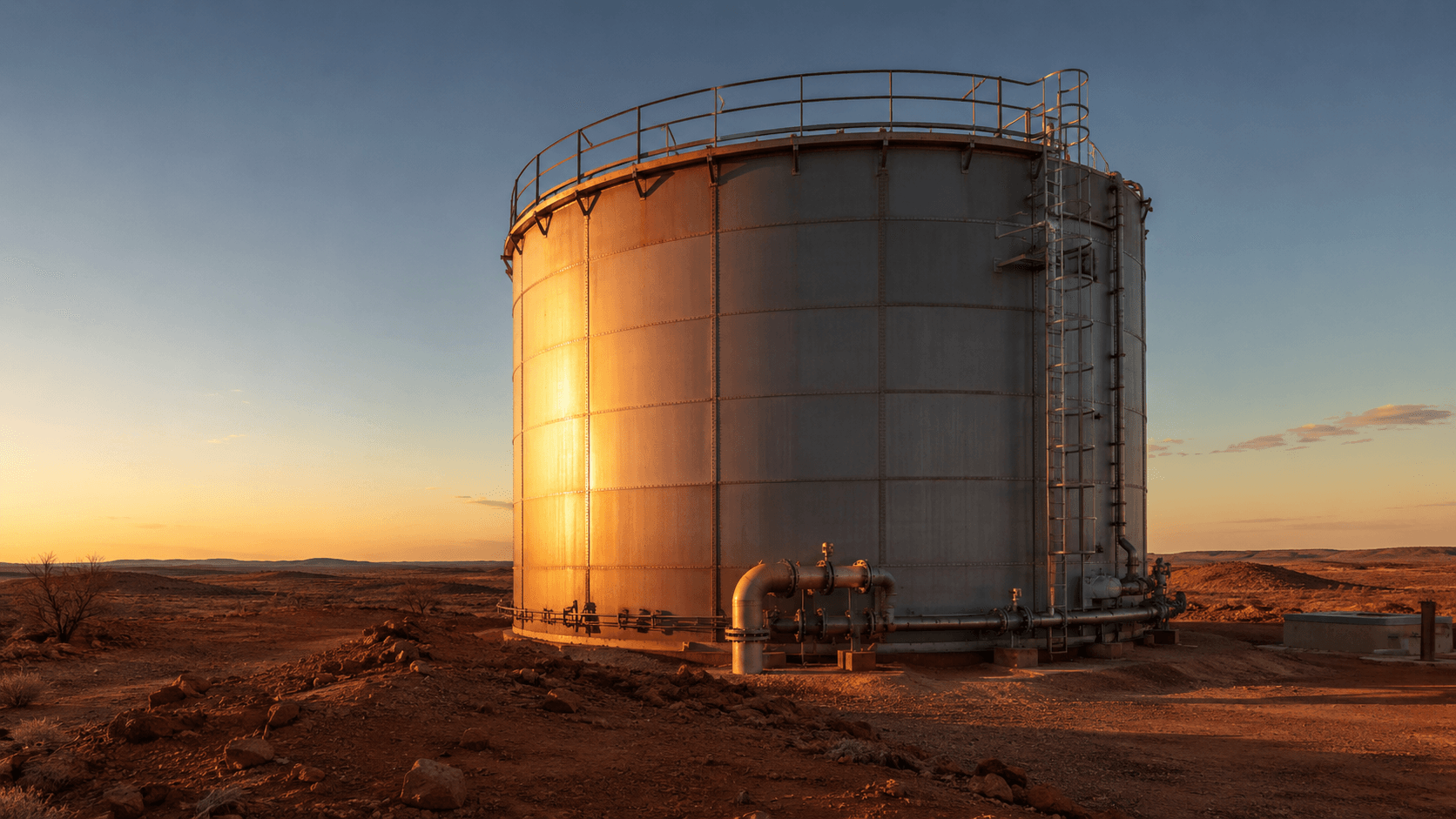
Insulation is a genuine, well-justified specification for some water tanks and an unnecessary cost for others — and the difference comes down to climate, use case and water quality sensitivity, not a blanket rule that every tank benefits equally.
Freeze protection in cold climates
In climates where sustained sub-zero temperatures are a genuine risk — alpine regions, some inland areas during winter — insulation (sometimes combined with heat tracing) protects against freezing, which can damage tank structure, fittings and pipework and interrupt supply entirely. This is the clearest, most direct justification for tank insulation.
Reducing temperature-driven water quality issues
Insulation moderates temperature swings driven by solar heating and ambient air temperature, which helps stabilise internal water temperature — relevant to slowing disinfection residual decay and reducing the growth rate of temperature-sensitive bacteria in climates with significant daily or seasonal temperature variation.
In mild, temperate climates with limited daily or seasonal temperature swing, and where the stored water is not especially sensitive to the modest temperature variation that would otherwise occur, insulation adds cost without addressing a genuine risk. The decision should follow from an actual assessment of local climate conditions and the specific water quality sensitivity of the application — not a default assumption that insulation is always a worthwhile upgrade.
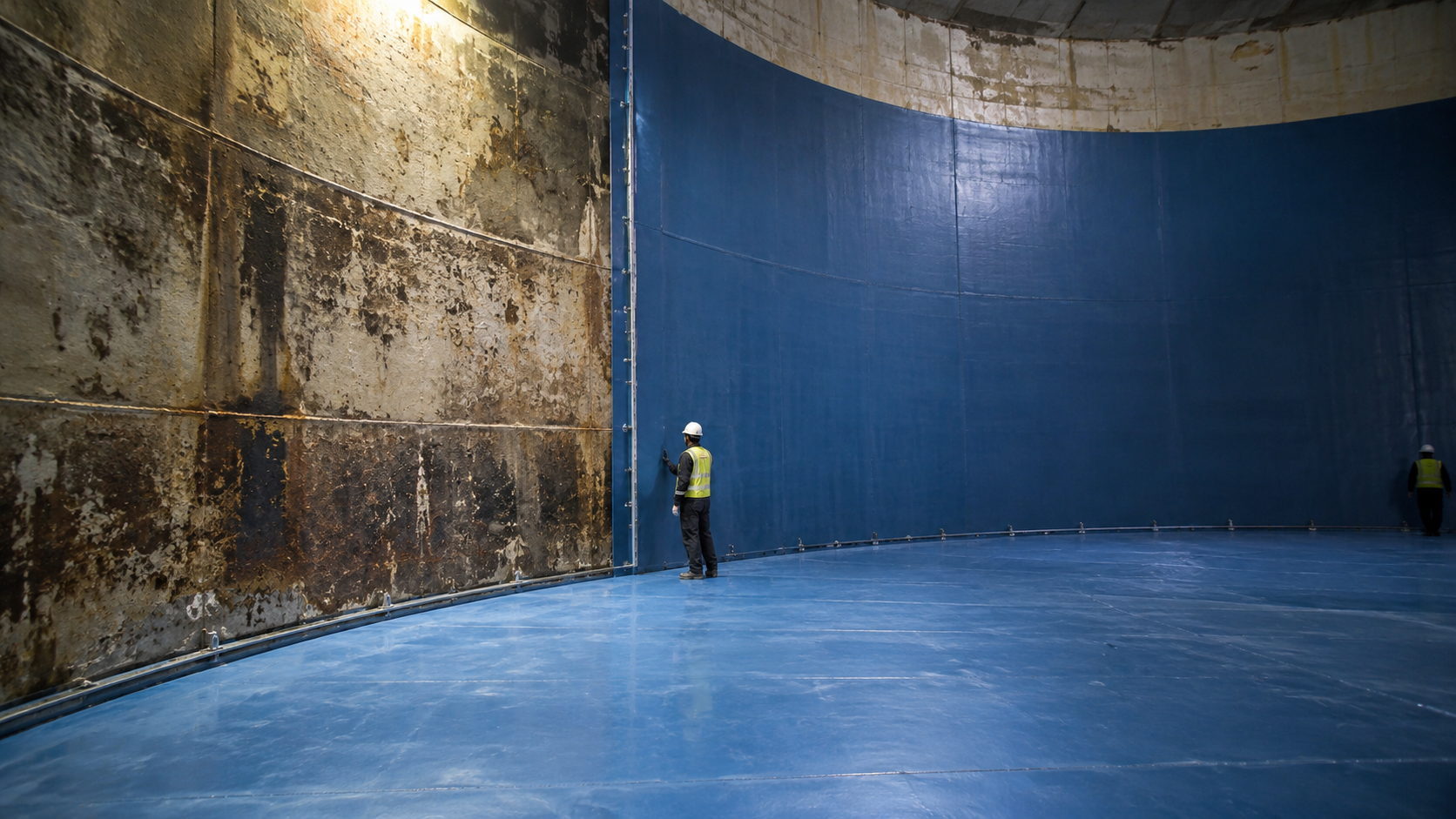
Insulation is not a universal quality upgrade for a water tank — it is a targeted response to a specific climate or water-quality risk. Specifying it without confirming that risk actually exists is spending money on a problem the site may not have.
| Condition | Insulation likely warranted? |
|---|---|
| Sustained sub-zero winter temperatures at the site | Yes — freeze protection is a direct, well-justified requirement |
| Significant daily or seasonal temperature swing affecting water quality | Likely — helps stabilise temperature and slow residual decay |
| Mild, temperate climate with limited temperature variation | Often unnecessary — the risk insulation addresses may not apply |
| Remote site with limited maintenance access | Worth considering — freeze or extreme-temperature damage is harder to respond to quickly |
Does every water tank in a cold climate need insulation?
Not automatically, but freeze risk should be genuinely assessed for any site experiencing sustained sub-zero temperatures. Where that risk is confirmed, insulation (sometimes with heat tracing) is a well-justified specification, since freeze damage can be significant and supply-interrupting.
Can insulation help with water quality issues in a hot climate, not just cold ones?
Yes — insulation can also moderate excessive heat gain in hot climates, helping keep internal water temperature more stable and reducing the temperature-driven water quality concerns discussed elsewhere, such as accelerated disinfection residual decay.
Is it possible to retrofit insulation to an existing uninsulated tank?
In many cases, yes — external insulation systems can often be added to an existing tank without requiring a full rebuild, making it a viable option if a climate or water-quality assessment after commissioning identifies a genuine benefit that was not addressed in the original specification.
Not sure whether insulation is warranted for your tank's climate and application? A proper assessment avoids paying for protection you don't need — or missing protection you do.
Discuss insulation requirements for your site