
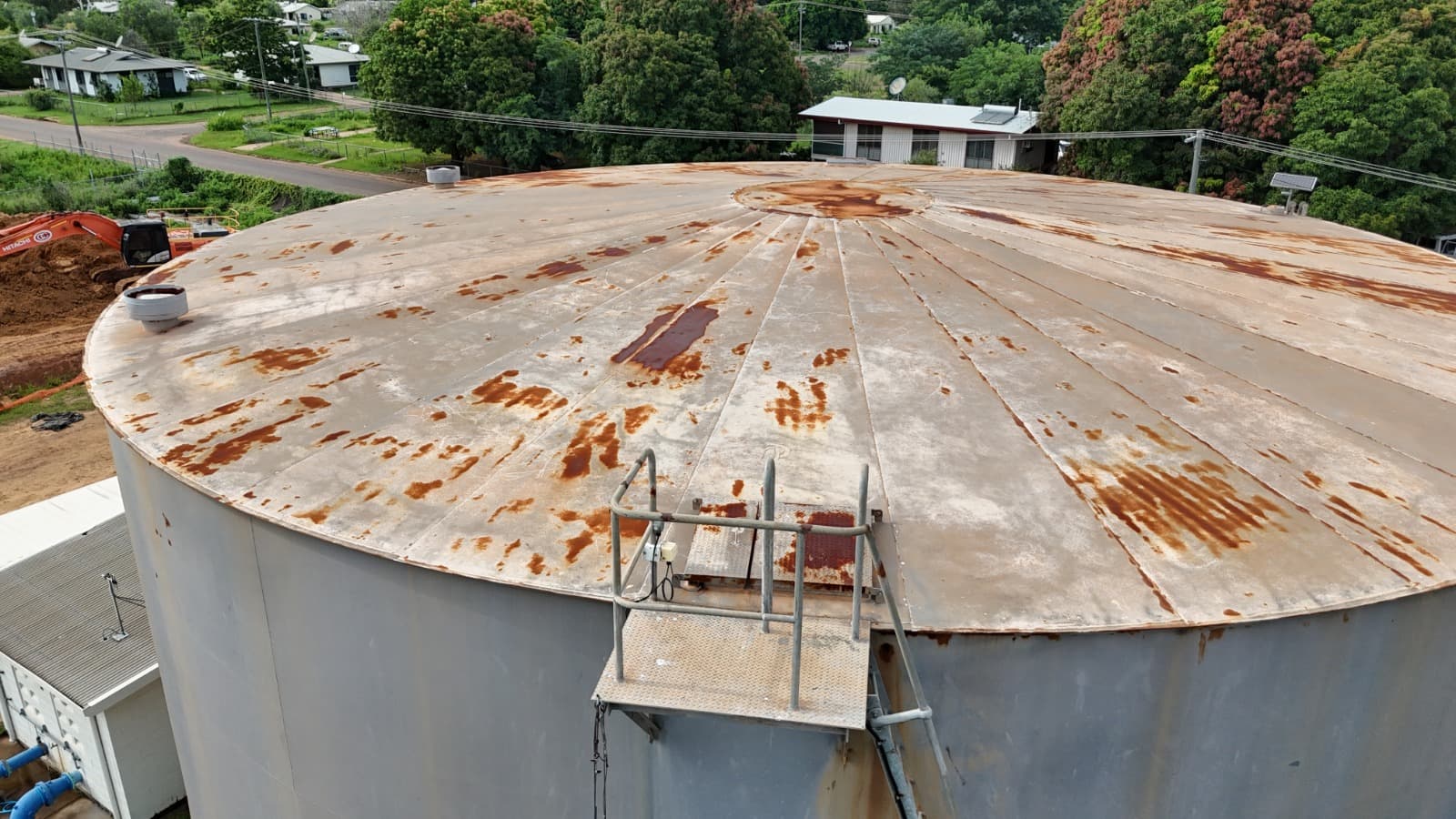
Tank colour is often chosen for aesthetics or to blend with surroundings, but it is not purely a cosmetic decision — external colour affects how much heat a tank absorbs, and light transmission through the tank wall affects whether algae can establish inside it. Both are genuine water-quality factors, not folklore.
Darker colours absorb more solar radiation
A darker external surface absorbs more solar radiation and reaches a higher surface temperature than a lighter, more reflective colour under the same sun exposure — a well-established physical property, not specific to water tanks. Elevated tank surface temperature can raise internal water temperature, particularly in tanks with significant surface-area-to-volume ratio or limited insulation.
Why internal temperature matters
Elevated water temperature affects disinfection residual decay rate, can increase the growth rate of certain bacteria, and generally makes water quality management more demanding compared to a cooler, more stable internal temperature. In hot climates, tank colour is a genuine, low-cost lever for managing this — not a purely aesthetic choice.
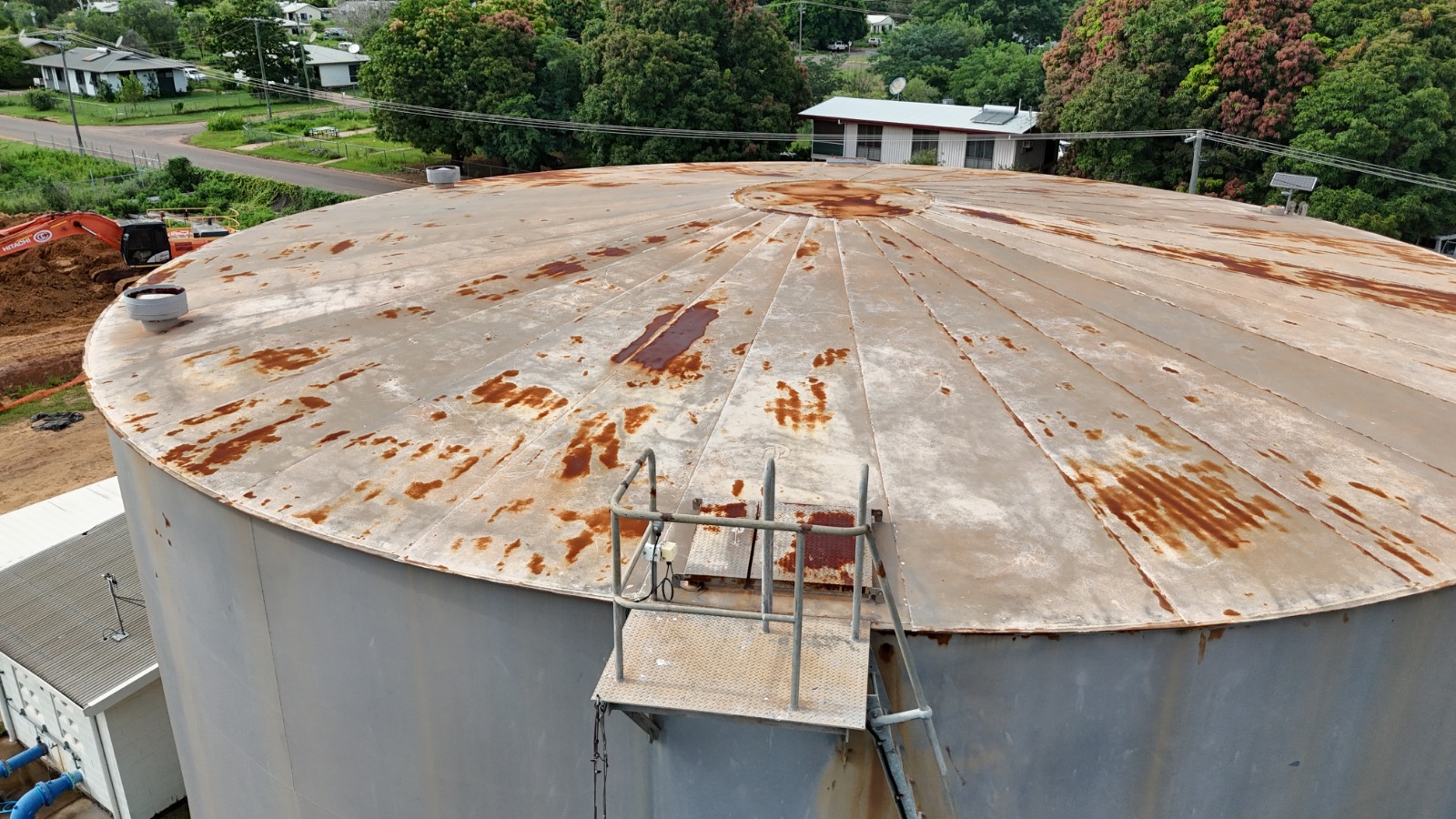
Algae needs light, not just warmth
Algae growth requires light to photosynthesise — a tank material or colour that allows significant light penetration into the water creates the conditions algae need to establish, independent of temperature. This is why translucent or light-coloured tank materials (particularly some plastic tank types) are more prone to internal algae growth than an opaque, well-sealed steel or concrete tank with a light-excluding internal environment.
Material matters as much as external colour
External colour affects heat absorption; the material's opacity affects light transmission — and both are relevant to algae risk, but through different mechanisms. A dark-coloured but opaque steel tank excludes light effectively regardless of its external colour; a light-coloured but translucent plastic tank can still allow light penetration despite a paler external appearance.
Tank colour and material are not just about how the tank looks on the property. Lighter colours reduce heat absorption, and opaque materials exclude the light algae needs — both genuine, physically grounded water-quality factors worth considering at specification stage.
| Consideration | Why it matters |
|---|---|
| External colour in high-solar-exposure climates | Lighter colours reduce heat absorption and help stabilise internal temperature |
| Material opacity, not just colour | Determines actual light exclusion independent of external appearance |
| Existing algae growth in a translucent or light-coloured tank | May indicate light penetration is contributing to the problem |
| Insulation as a complementary temperature control measure | Addresses heat transfer independent of external colour choice |
Should I paint my water tank a lighter colour to reduce algae?
A lighter external colour helps reduce heat absorption, which can support water quality, but algae growth is driven primarily by light penetration through the tank material, not external colour alone. If the tank material itself is opaque, external colour will not significantly affect internal light levels.
Are plastic water tanks more prone to algae growth than steel or concrete tanks?
Some plastic tank materials are more translucent and can allow more light penetration than an opaque steel or concrete tank, which can increase algae risk if the tank is not otherwise shielded from light. This depends on the specific material and any UV-stabilising or opacifying additives used in its manufacture.
Does tank colour affect anything other than temperature and algae risk?
Colour selection can also relate to coating durability (some pigments have different UV and weathering performance) and site aesthetic or planning requirements, but from a water-quality perspective, heat absorption and, indirectly, temperature-related bacterial growth are the primary considerations.
Considering tank colour or material as part of a new specification or a recoat? Both affect water quality outcomes, not just appearance.
Discuss tank specification options