

Mackay carries two distinct water infrastructure pressures at once — an active cyclone corridor demanding storm-rated tank design, and a sugar industry with genuine process water requirements that are not the same as a standard potable or fire compliance specification.
Cyclone-region structural design
As with the broader North Queensland coast, Mackay's cyclone exposure means tank anchorage, wind loading design and freeboard need to reflect the region's actual cyclone hazard classification — a genuine structural design input, not an assumption carried over from a lower-risk region.
Sugar industry process water
Sugar milling and associated agricultural processing in the Mackay region involve process water requirements that are frequently quite different from potable-grade specification — different chemical exposure, different solids content, and sometimes a genuinely different storage volume and turnover profile than a standard commercial tank. Specifying process water storage for this industry against potable-grade defaults, rather than the actual process requirements, is a common and avoidable cost and performance mismatch.

For sugar mills, agricultural processors and other industrial sites around Mackay, the practical approach is specifying storage against the actual process water chemistry and demand pattern, not a generic potable-grade default, while separately ensuring fire compliance and any potable supply is designed to the region's cyclone wind loading requirements. Treating both needs as one blended specification tends to under-serve at least one of them.
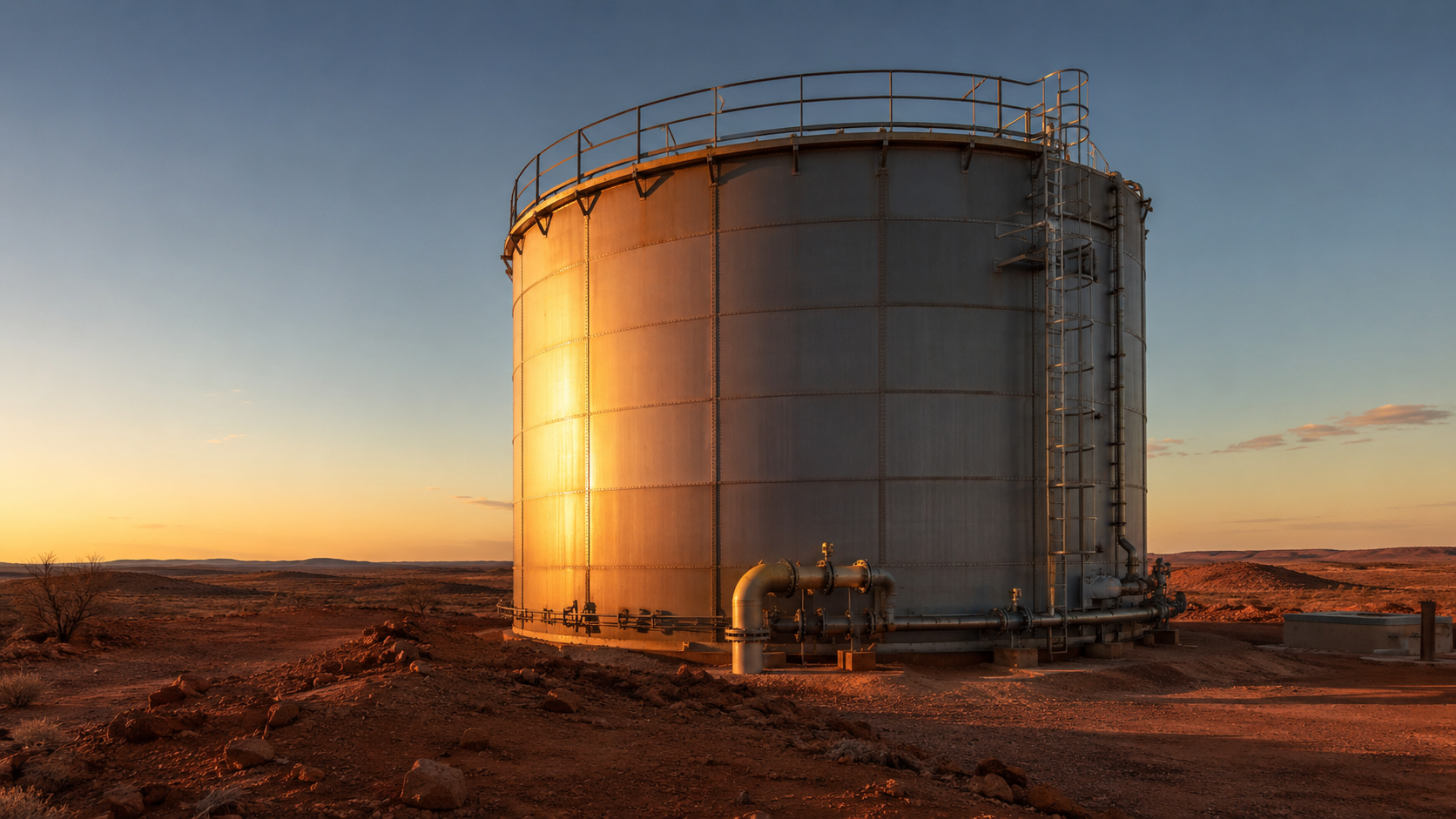
A cyclone-rated tank and a process-water-specified tank are both correct answers — to different questions. Mackay's industrial sites often need both, specified separately, not one generic tank trying to do both jobs.
| Check | Why it matters locally |
|---|---|
| Anchorage and wind loading design for the local cyclone classification | A genuine structural requirement for the region, not an optional upgrade |
| Process water storage specified against actual process chemistry | Avoids over- or under-specifying materials relative to sugar industry process needs |
| Fire compliance volume separated from process water storage | Prevents process demand from competing with reserved fire compliance volume |
| Freeboard and overflow sized for regional storm inflow | Cyclone-season rainfall can deliver significant, rapid inflow |
Does a sugar mill's process water tank need the same specification as a potable water tank?
Not necessarily — process water requirements depend on the specific chemistry, temperature and solids content of that process stream, which can call for a different, sometimes more resistant, sometimes simpler specification than a potable-grade default.
Is cyclone-rated design only relevant to coastal Mackay properties?
The cyclone hazard classification generally applies across the broader region, not just immediate coastal sites, so inland Mackay-region properties should also confirm the applicable wind design category rather than assuming reduced exposure.
Can one tank serve both fire compliance and industrial process water needs?
This is generally not recommended without a properly reserved, protected fire volume — sharing storage between process demand and fire compliance risks the reserved volume being drawn down for everyday operational use.
Specifying water storage for a sugar mill, processor or other facility around Mackay? Cyclone design and actual process requirements both need to be addressed properly.
Discuss your Mackay region project