
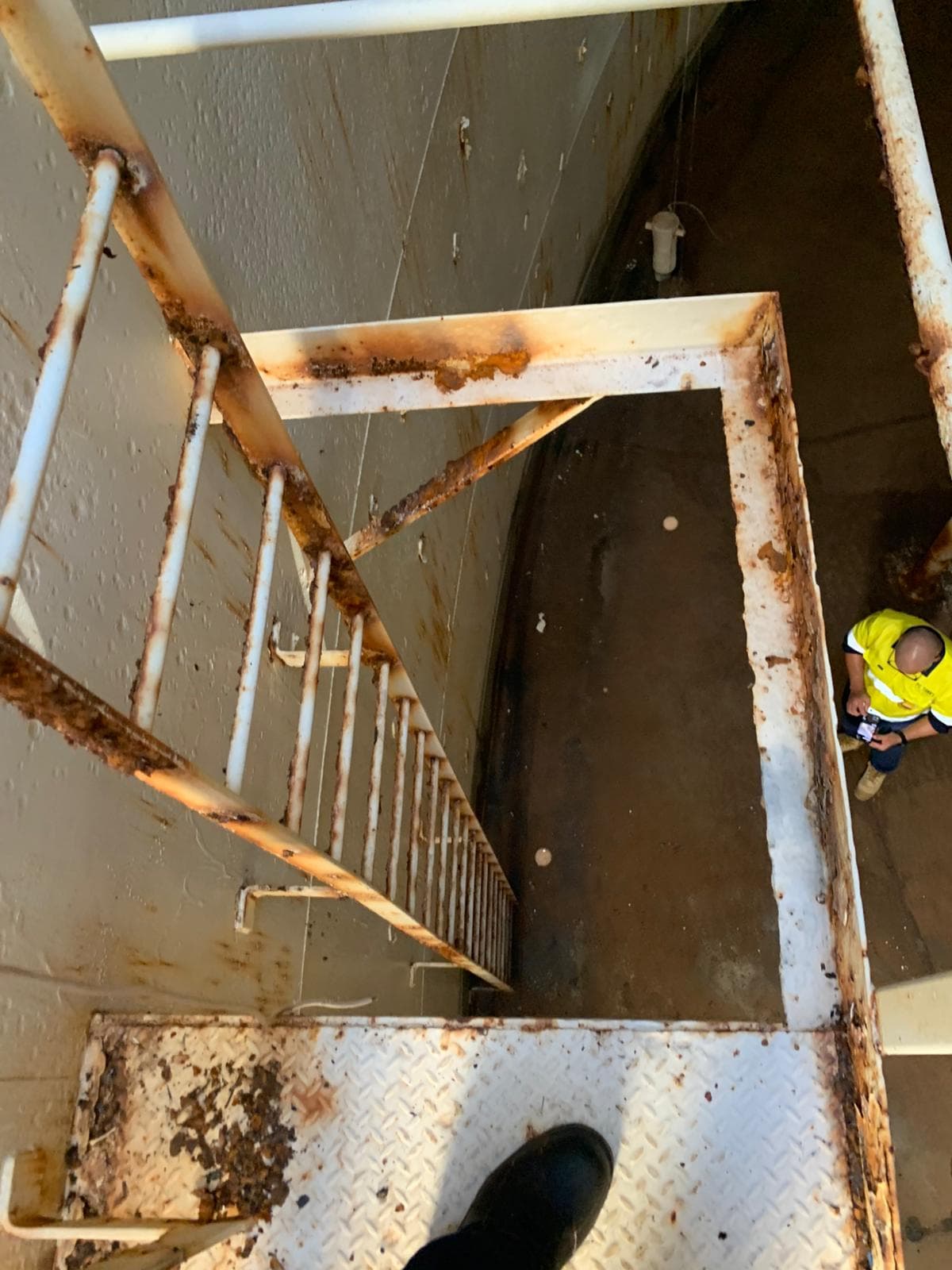
Confined space entry permits document that atmospheric testing has been done, that hazards have been identified, and that entry has been authorised. What a permit does not automatically guarantee is that, if something goes wrong once someone is inside the tank, the crew on the outside can actually get them out in time.
Water tanks are classic confined spaces — restricted entry and exit points, potential for oxygen deficiency or atmospheric contamination, and limited natural ventilation. The regulatory framework around entry — atmospheric testing, permits, standby attendants — is well established. Rescue planning is the part that gets treated as a formality far more often than it should, and it is the part that actually matters if an incident occurs.
Non-entry retrieval as the default assumption
The safest and generally preferred rescue method is non-entry retrieval — a harness and retrieval line connected to the entrant, allowing the standby attendant to physically pull them out without anyone else entering the confined space. This requires the entrant to actually be wearing a suitable harness with a retrieval attachment point, and the retrieval system to be rigged and ready before entry begins, not assembled after an incident has already occurred.
What happens when non-entry retrieval is not possible
Tank geometry, internal obstructions, or the specific nature of an incident can make non-entry retrieval impractical in some scenarios. Where that is a realistic possibility, the rescue plan needs to specify exactly who performs entry rescue, what training and equipment they have, and how quickly they can be mobilised — a plan that says "call emergency services" without a clear understanding of realistic response time to that specific site is not an adequate plan for a genuinely time-critical atmospheric emergency.
Equipment present but not actually tested for the specific tank
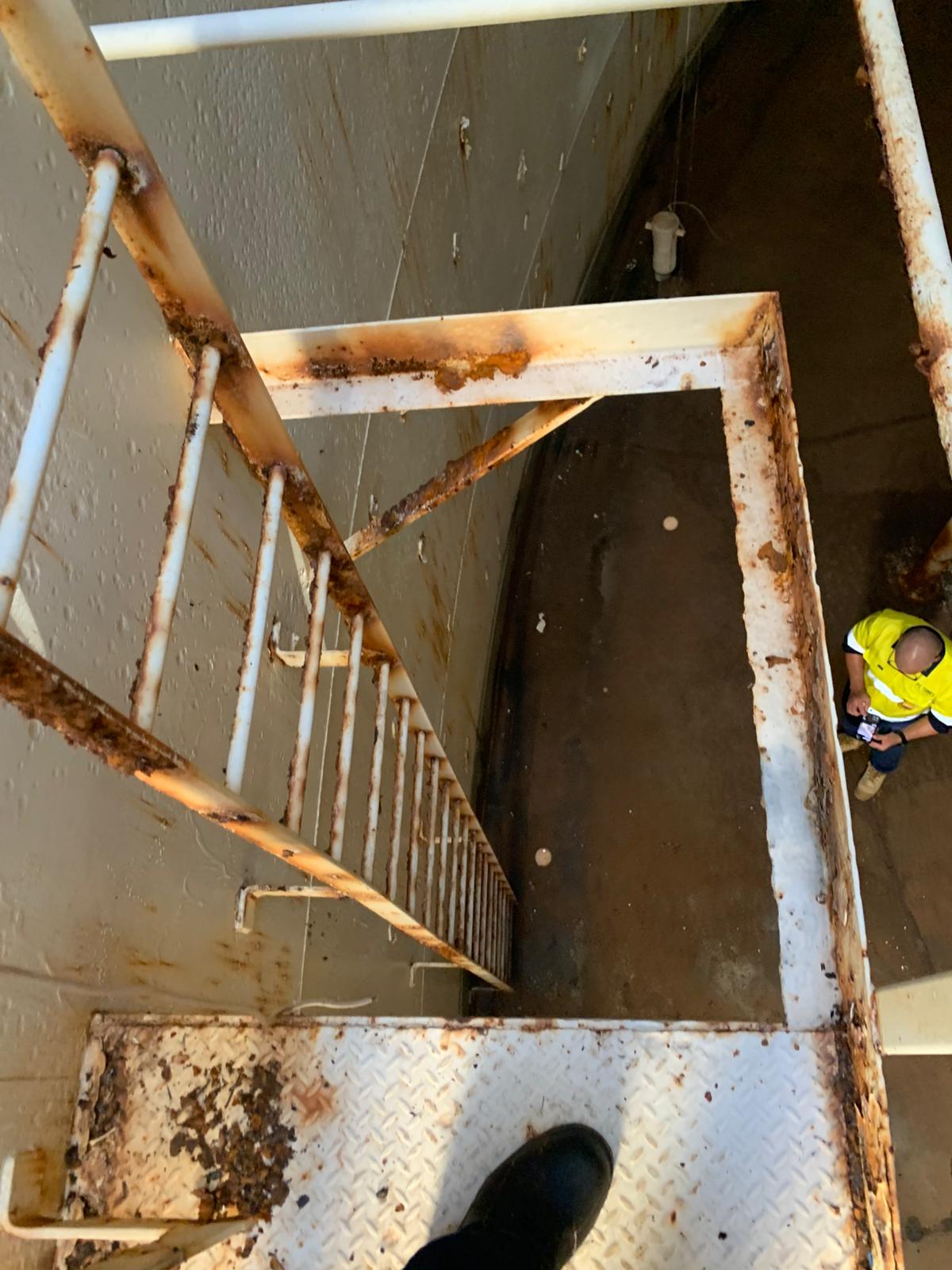
A tripod and winch system rated for confined space rescue does not automatically mean it is set up correctly for a specific tank's access geometry — hatch size, internal obstructions and vertical drop all affect whether a retrieval system will actually function as intended. Rescue equipment should be assessed against the specific space being entered, not assumed adequate because it is generically rated for confined space work.
Standby attendant competency, not just presence
A standby attendant needs genuine training in recognising signs of distress, operating retrieval equipment under pressure, and knowing when and how to call for further help — simply having a person stationed at the entry point is not the same as having a competent attendant capable of executing a rescue. This distinction matters considerably more in the moment an actual emergency occurs than it does on paper during planning.
Confined space regulation asks whether entry has been properly authorised. A genuine rescue plan asks a harder and more specific question: exactly how does this particular person get out of this particular tank, fast enough, if something goes wrong.
| Check | Why it matters |
|---|---|
| Retrieval harness and line rigged before entry, not after an incident | Non-entry retrieval is the fastest and safest rescue method available |
| Rescue equipment assessed against the specific tank geometry | Generic confined-space ratings do not confirm fit for a particular access point |
| Standby attendant genuinely trained, not just present | Rescue execution under pressure requires real competency |
| Realistic emergency response time confirmed for the site | "Call emergency services" needs an honest response time assumption behind it |
Is a confined space entry permit the same as a rescue plan?
No. A permit documents that atmospheric testing, hazard identification and entry authorisation have been completed. A rescue plan specifically addresses how a person would actually be retrieved if something went wrong during entry, and is a distinct planning requirement.
What is non-entry retrieval and why is it preferred?
Non-entry retrieval uses a harness and line connected to the entrant, allowing a standby attendant to pull them out without anyone else entering the confined space. It is generally preferred because it avoids putting a second person at risk inside the same hazardous environment.
Can standard confined space rescue equipment be used for any tank?
Not automatically. Equipment such as tripods and winches needs to be assessed against the specific tank's access geometry — hatch size, internal obstructions and vertical drop — to confirm it will actually function as intended for that particular space.
Reviewing confined space entry and rescue arrangements for tank work? PC Water Infrastructure builds rescue planning into every tank inspection and cleaning project.
Discuss Tank Entry Safety