
A data centre or critical facility treats power, cooling and connectivity as redundant systems by default — N+1 or better is the norm, not an upgrade. Water storage supporting cooling and fire systems is frequently specified with far less rigour, despite carrying the same consequence if it fails at the wrong moment.
Cooling water continuity
Facilities relying on water-based cooling — evaporative cooling towers, chilled water systems with water-cooled chillers — depend on a continuous, reliable water supply to maintain thermal conditions critical equipment needs to keep operating. A single storage tank with no redundant supply path or reserve capacity is a single point of failure in a system that is otherwise designed with none.
Fire water storage sized and maintained to the facility's actual risk
A data centre's fire risk profile and the value of continuous operation typically justify fire water storage sized and maintained more rigorously than a standard commercial building — including confirmed usable volume, draw-down capability, and inspection frequency proportional to the consequence of an undetected shortfall.
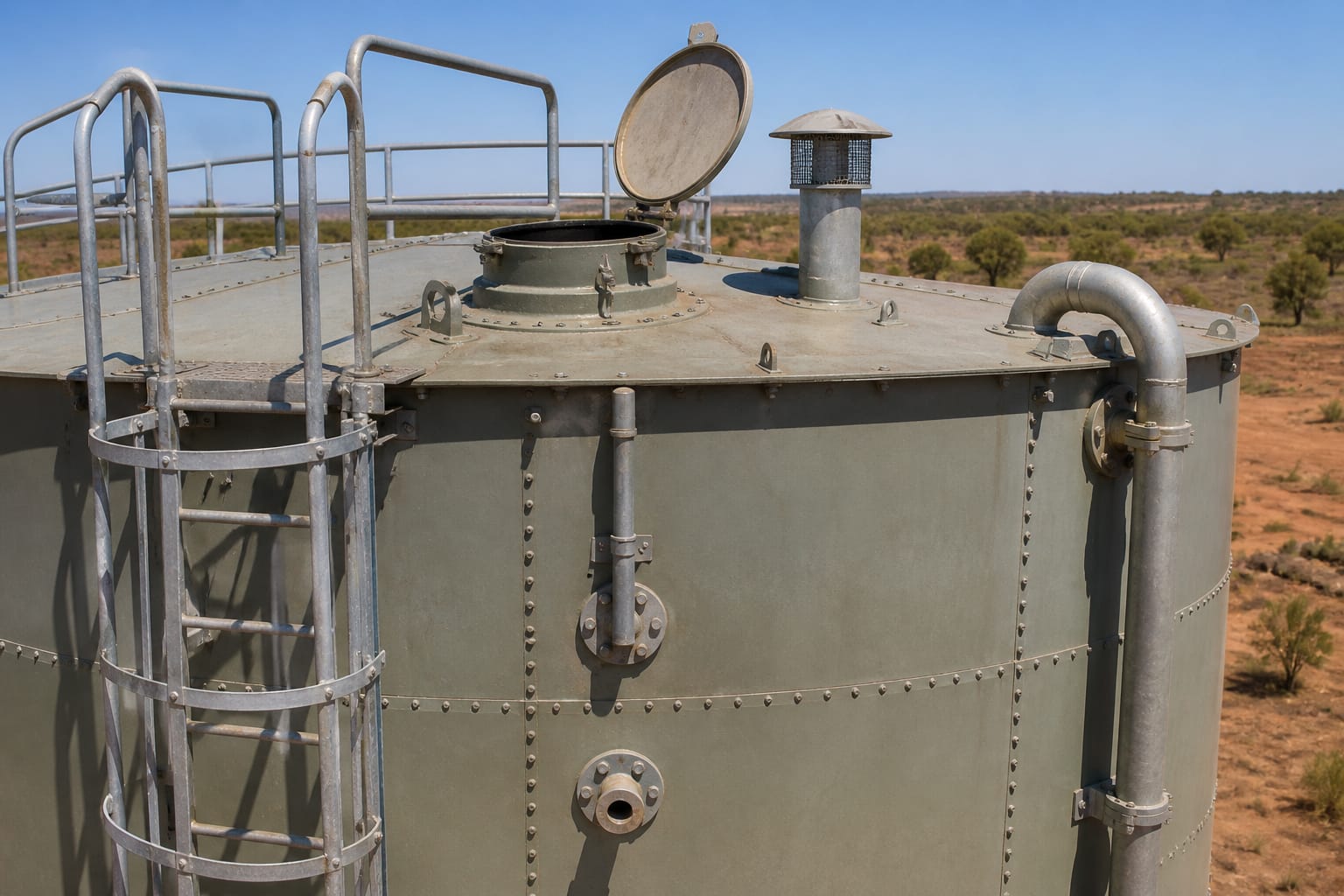
Redundancy is not simply "a bigger tank." It typically means multiple, independently isolable storage or supply paths so that maintenance, an inspection, or a single tank failure does not interrupt cooling or compromise fire compliance. It also means monitoring and alarm systems sensitive enough to detect a developing supply issue well before it becomes a critical shortfall — consistent with how the rest of a critical facility's infrastructure is typically specified.
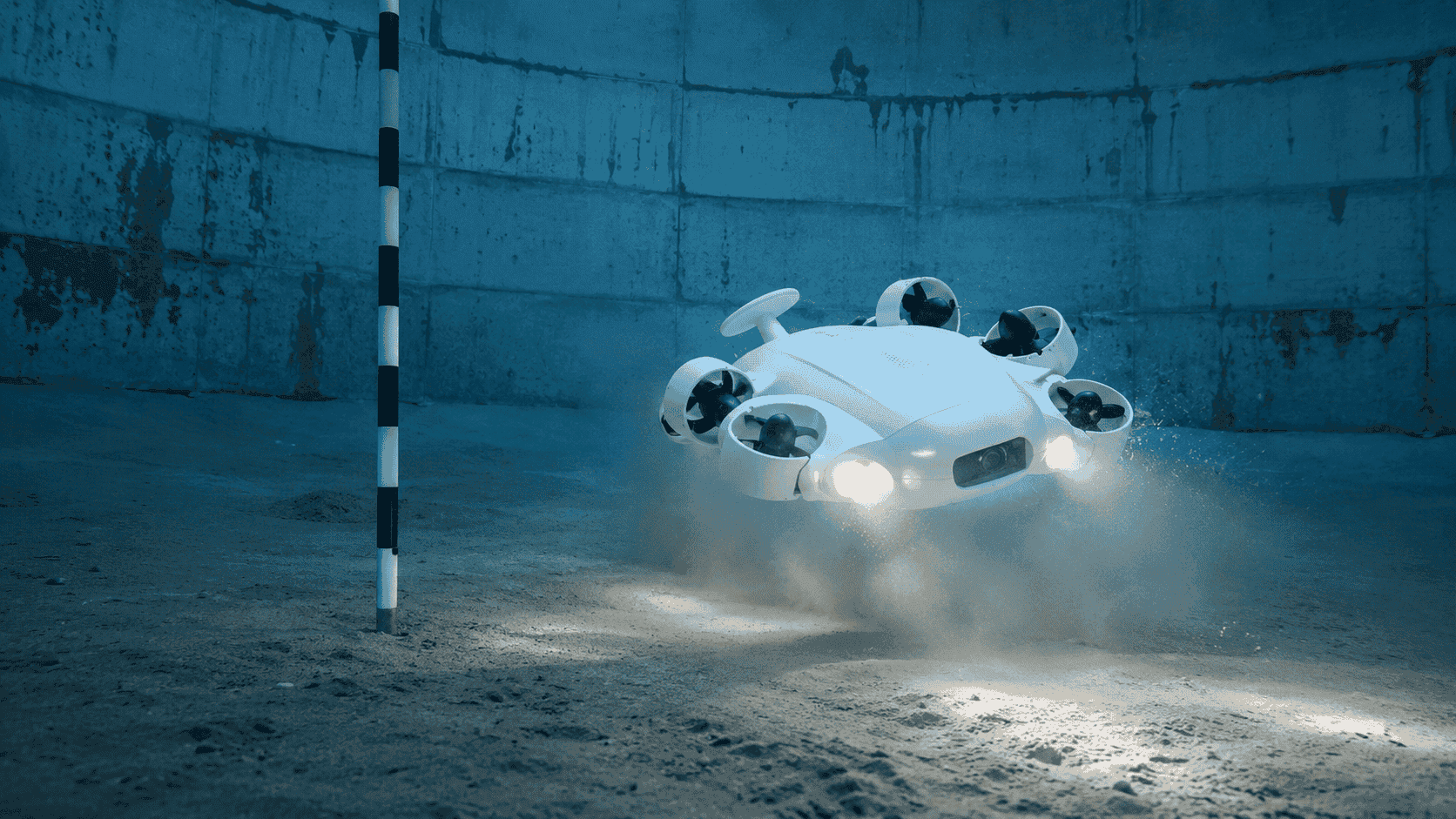
A facility that treats power redundancy as non-negotiable and water storage redundancy as optional has a genuine gap in its risk profile — one that only becomes visible during the outage nobody planned for.
| Check | Why it matters |
|---|---|
| Multiple independently isolable storage or supply paths | Prevents a single tank issue from interrupting cooling or fire compliance |
| Fire water usable volume and draw-down confirmed | Sized and verified against the facility's actual risk profile, not a generic minimum |
| Inspection frequency proportional to consequence | A critical facility justifies more frequent inspection than a standard commercial site |
| Sensitive, redundant monitoring and alarming | Detects a developing issue before it becomes a critical shortfall |
| Maintenance planning that does not require full shutdown | Redundant paths allow inspection and maintenance without interrupting service |
Why does a data centre need more than one water storage tank?
A single tank represents a single point of failure — if it needs maintenance, develops an issue, or fails, there is no alternative supply path for cooling or fire systems. Multiple, independently isolable tanks or supply paths allow one to be serviced or fail without interrupting the facility's critical functions.
Should fire water storage at a data centre be inspected more often than a standard commercial building?
Given the consequence of an undetected shortfall at a facility valuing continuous operation highly, more frequent inspection than the standard minimum is a reasonable and common approach — proportional to the facility's actual risk profile rather than the general baseline requirement.
Does water storage redundancy need to match the facility's power redundancy rating (e.g. N+1, 2N)?
It is a reasonable design principle to apply the same redundancy philosophy across critical systems, including water storage supporting cooling and fire compliance, even though the specific redundancy level may be assessed and justified independently for water infrastructure.
Assessing water storage redundancy for a data centre or critical facility? We can review your current setup against the same rigour applied to your other critical systems.
Discuss critical facility water storage