

Level monitoring sounds like a simple problem — measure the water, report the number. In practice, sensor choice, alarm logic and communication reliability determine whether a monitoring system gives an operator genuine early warning, or a false sense of visibility that fails exactly when a real event occurs.
Matching the sensor to the tank and the water
Ultrasonic, radar, hydrostatic pressure and float-based sensors each have different failure modes and different suitability depending on tank geometry, internal obstructions, and water condition. A sensor chosen without regard to the specific tank — turbulence at the inlet, condensation inside the headspace, fittings that could obstruct an ultrasonic beam — can produce readings that look plausible while being systematically wrong.
Redundancy for critical assets
A fire tank or a sole potable supply for a community is a poor candidate for single-sensor monitoring with no independent check. A secondary sensor, or a simple physical level indicator as a manual cross-check, protects against the monitoring system itself becoming a single point of failure.

Alarm thresholds that mean something
A monitoring system with a single low-level alarm set arbitrarily close to empty gives an operator almost no time to respond. Properly specified alarm logic includes multiple thresholds — an early warning level that allows planned response, and a critical level that demands immediate action — rather than one late alarm that arrives too close to a real supply failure.
Communication reliability, especially on remote sites
A monitoring system is only as good as its ability to actually get an alarm to someone. On remote sites, cellular or satellite communication reliability, backup power for the monitoring equipment itself, and a clear escalation path if a report is missed all need to be specified — not assumed to work because a demonstration worked once on a good connection day.
A monitoring system that reports a plausible number is not the same as one that reports a trustworthy number. The difference is entirely in the sensor selection, the alarm logic, and whether the communication path has been tested under the conditions it will actually operate in — not in the dashboard.
| Consideration | Why it matters |
|---|---|
| Sensor type matched to tank geometry and water condition | The wrong sensor for the conditions can produce plausible but wrong readings |
| Multiple, tiered alarm thresholds | Gives operators time to respond before a critical level is reached |
| Redundancy for critical or sole-supply assets | Prevents the monitoring system itself becoming a single point of failure |
| Communication reliability under actual site conditions | An alarm that cannot be delivered provides no protection |
| Backup power for the monitoring equipment | A power outage should not also mean losing visibility of tank level |
Which type of level sensor is best for a water tank?
There is no universally "best" sensor — the right choice depends on the tank's geometry, internal obstructions, and the water's condition. A sensor that works well on a clean, still potable tank may not suit a tank with turbulent inflow or heavy sediment, which is why the sensor should be specified against the specific tank, not chosen generically.
Do critical water tanks need more than one level sensor?
For high-consequence assets — fire tanks, sole community potable supplies — redundancy is worth the additional cost, since it protects against the monitoring system itself failing silently and leaving an operator with no visibility at exactly the wrong moment.
Can level monitoring replace physical tank inspection?
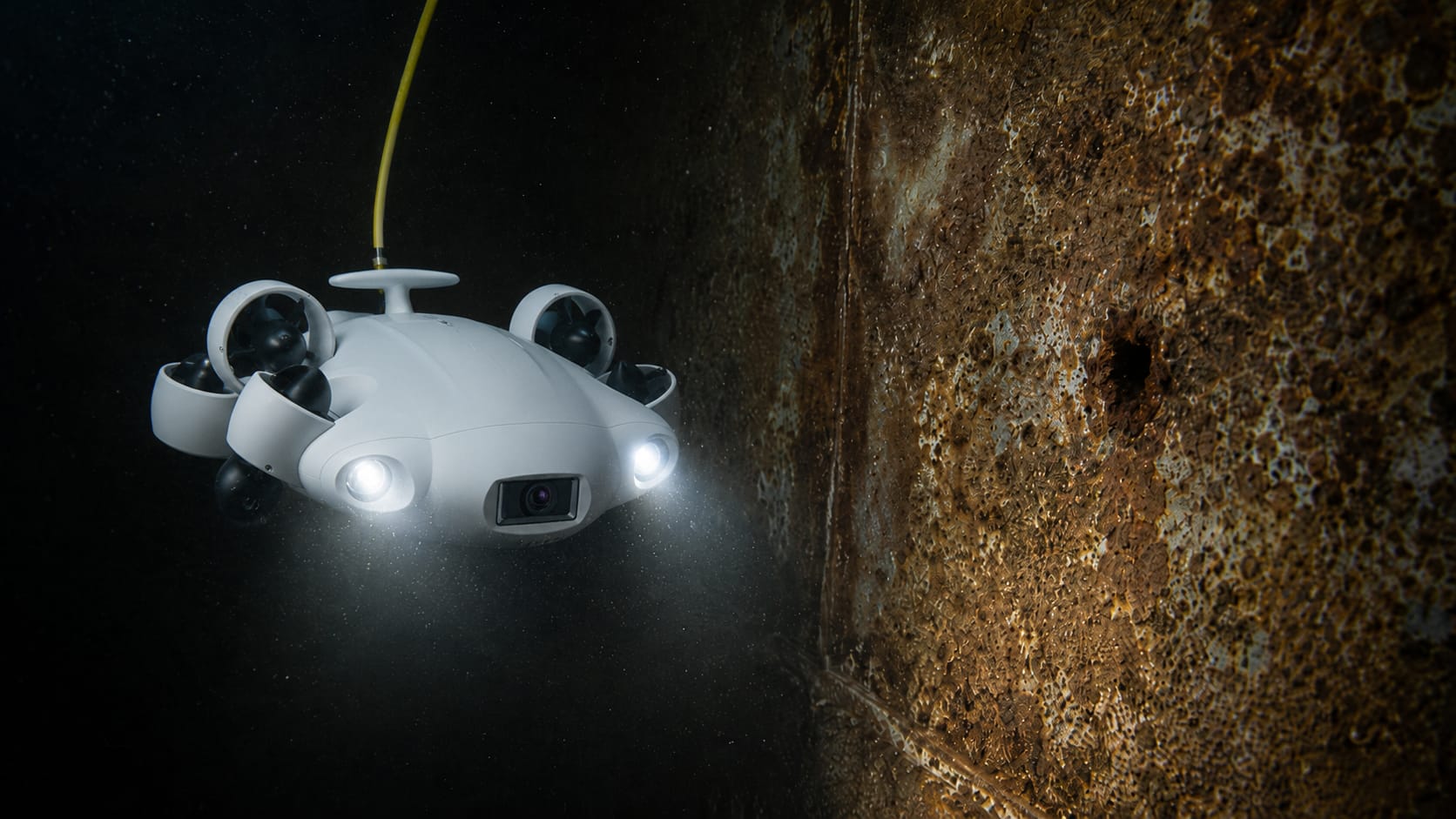
No. Level monitoring reports volume, not condition — it will not detect corrosion, sediment build-up or coating failure. It is a complement to periodic physical inspection, not a substitute for it.
Specifying or troubleshooting a tank level monitoring system? We can help make sure it actually delivers reliable visibility, not just a plausible-looking dashboard.
Talk to our team about monitoring