
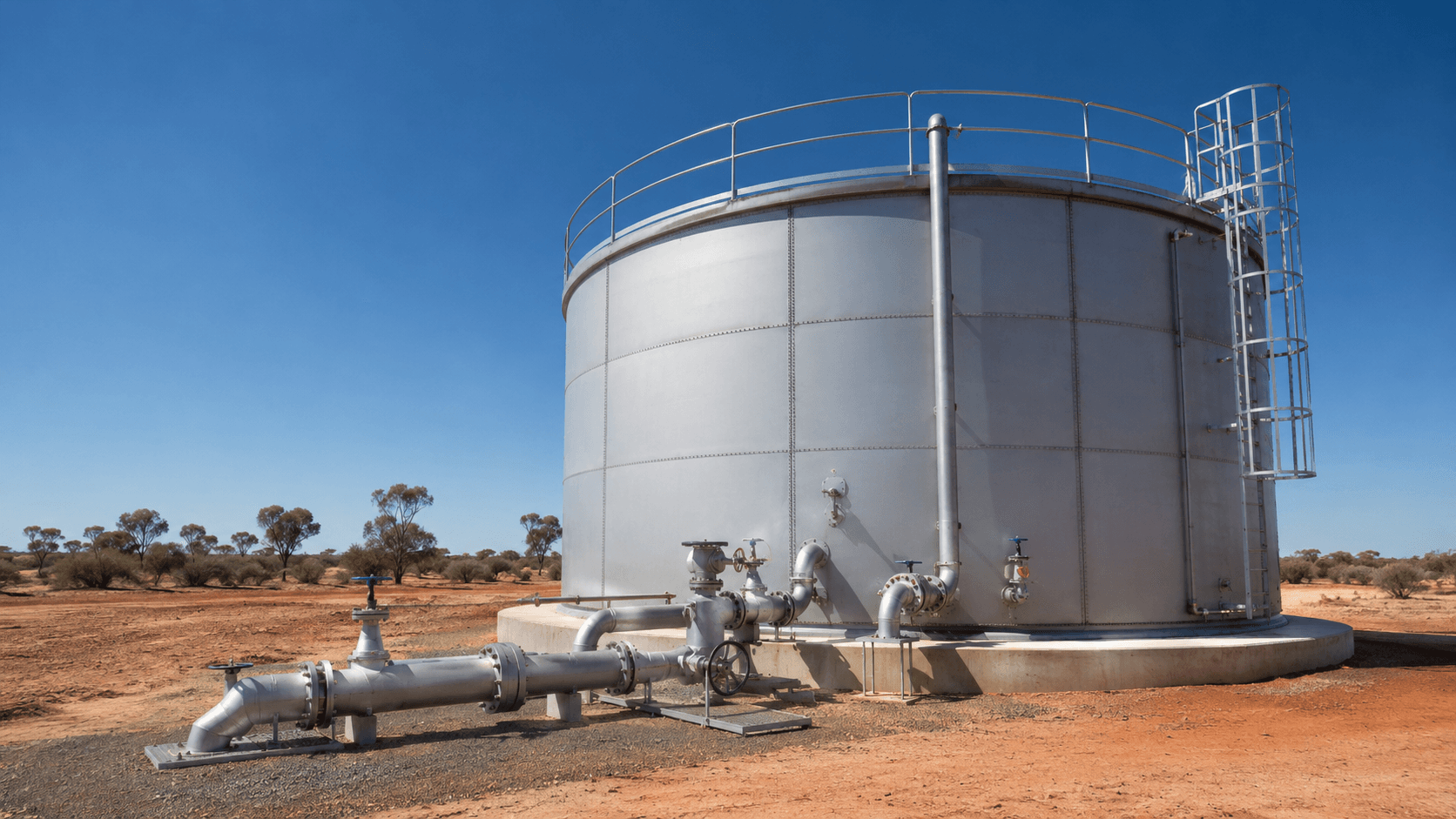
A council's water storage assets are typically older, more numerous, and more geographically spread than a single commercial site's — and the reporting obligations attached to them do not shrink because the budget did. Reconciling those two pressures is the core challenge of council water asset management.
Local governments carry statutory reporting obligations around asset condition, financial sustainability and levels of service, often to state regulators as well as their own ratepayers. Meeting those obligations on a portfolio of ageing tanks, with a maintenance budget that rarely grows in step with the asset base, requires a genuinely prioritised program — not an attempt to inspect and maintain everything equally.
Condition-based prioritisation, not age-based prioritisation
Two tanks of the same age can be in very different condition depending on water chemistry, exposure and prior maintenance. A program that schedules intervention purely by installation date, rather than actual condition data, risks over-servicing sound assets while under-servicing ones that are quietly deteriorating faster.
Risk-weighted scheduling
Not every tank carries the same consequence if it fails — a sole water supply to a small community carries a different risk weighting to a redundant, backed-up urban supply. Councils that weight their inspection and maintenance schedule by consequence, not just condition, get more protection for the same budget.
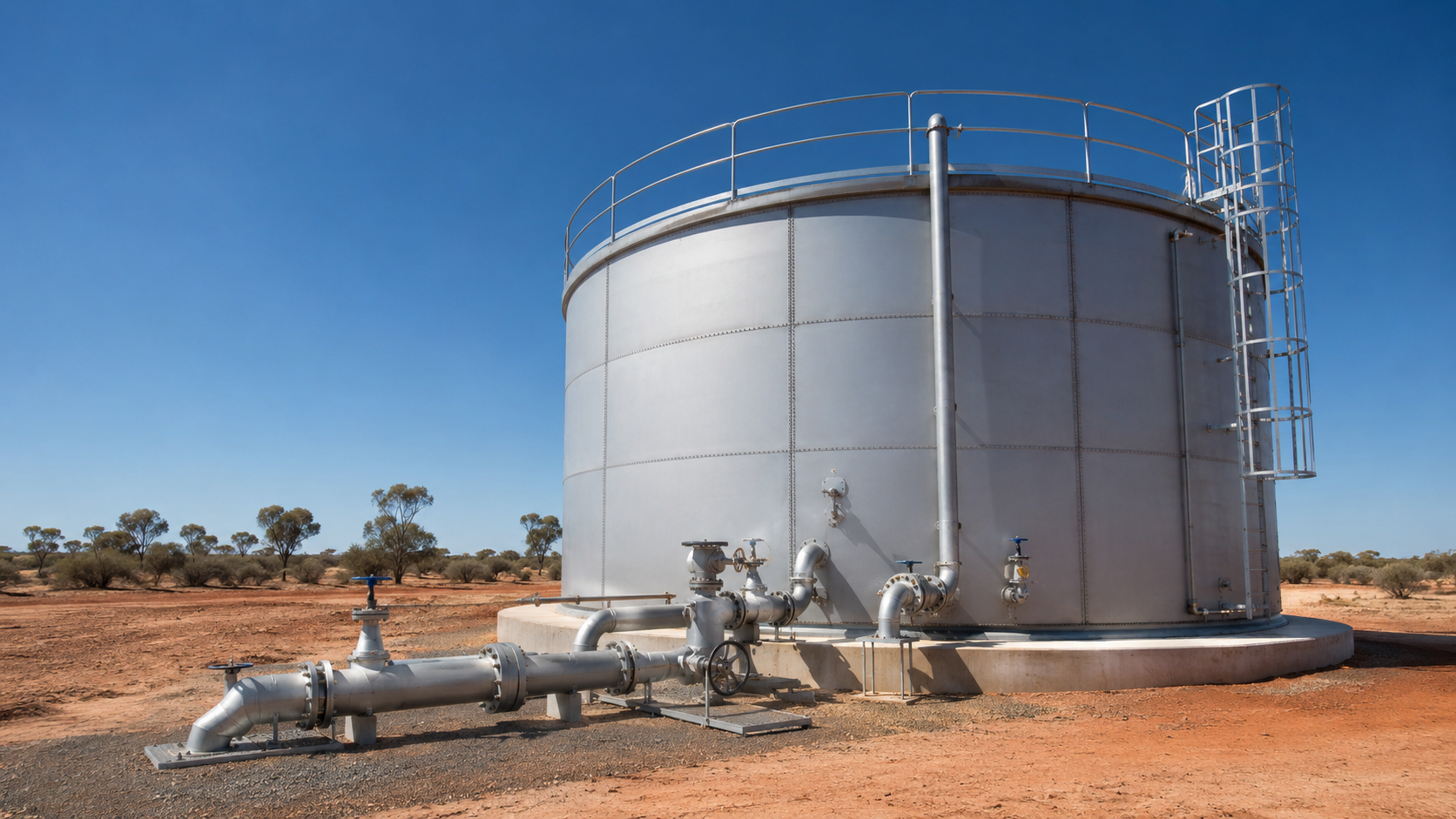
Condition and financial sustainability reporting is often treated as a compliance burden layered on top of asset management, when the same condition data collected for a report is exactly what should be driving maintenance prioritisation. Councils that build a single, consistent condition dataset — used for both internal prioritisation and external reporting — get more value from every inspection dollar spent than those running separate processes for each.
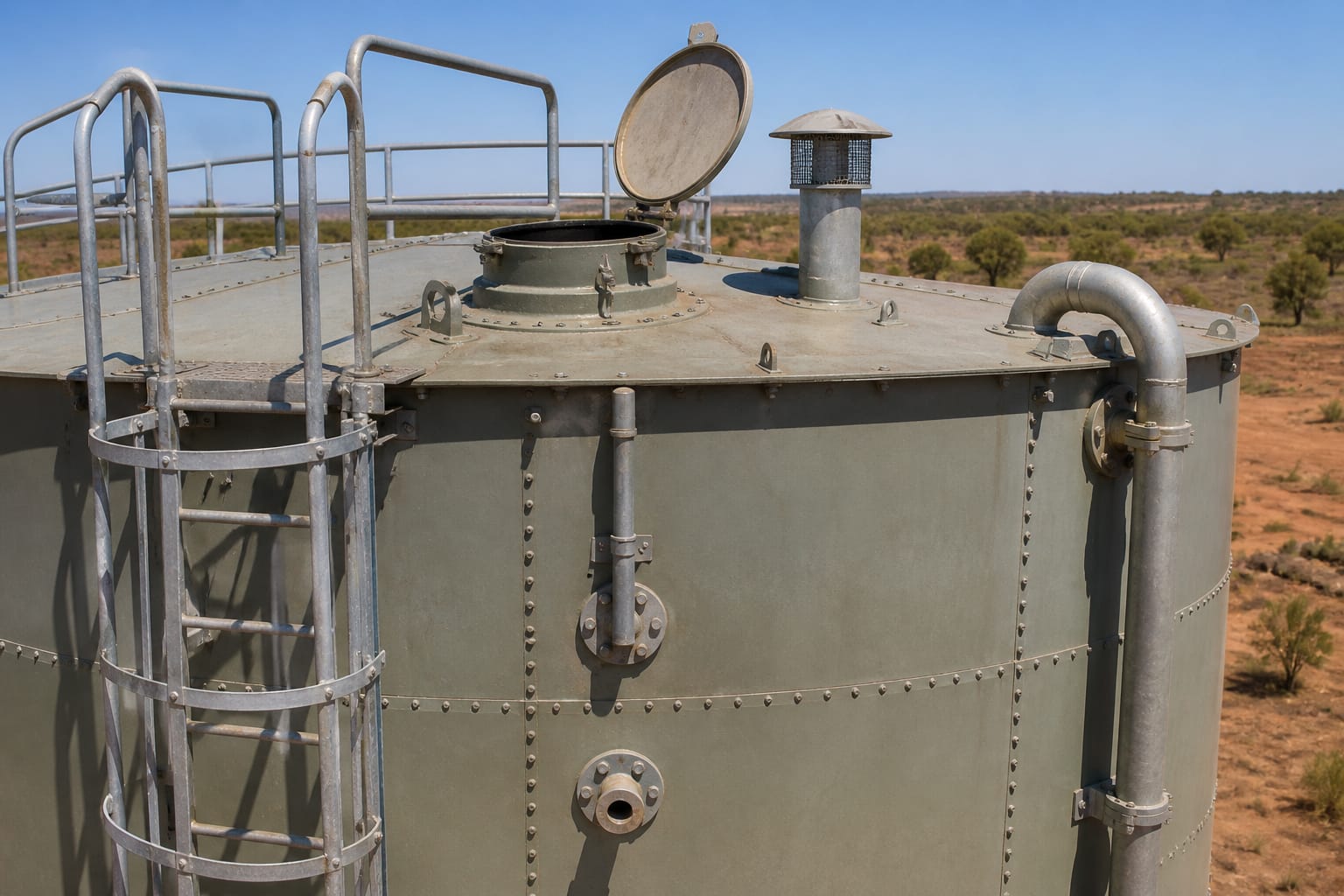
A constrained budget does not excuse a council from its reporting obligations, but it does demand that every dollar spent on inspection and maintenance does double duty — informing the asset register and supporting the statutory report from the same data.
| Element | Why it matters |
|---|---|
| Condition-based, not age-based, prioritisation | Targets budget at assets that actually need it, not just older ones |
| Risk-weighted scheduling by consequence of failure | Protects the highest-consequence assets within a constrained budget |
| Single condition dataset for reporting and maintenance | Avoids duplicated inspection effort and inconsistent records |
| Multi-year forward maintenance plan | Supports defensible budget submissions with clear justification |
| Documented decision rationale for deferred works | Protects the council if a deferred asset is later questioned |
How should a council prioritise water tank maintenance across a large portfolio on a limited budget?
By combining current condition data with a consequence-of-failure weighting for each asset, rather than scheduling by age or a fixed rotation. This directs limited budget toward the assets where deterioration and consequence combine to create the greatest actual risk.
Can the same inspection data be used for both asset management and statutory reporting?
Yes, provided the inspection is structured to capture the data both purposes require from the outset. Building this alignment in from the start avoids running separate, duplicated inspection processes for internal maintenance planning and external reporting.
What should a council do if it cannot afford to address every identified defect immediately?
Document the decision rationale — the risk assessment, the reason for deferral, and the planned timeframe for future action. A documented, risk-based deferral decision is defensible; an undocumented one is not, particularly if the deferred asset later fails.
Managing a portfolio of council water assets on a constrained budget? A condition-based, risk-weighted program gets more protection from the same spend.
Discuss your asset management program