
A mine-site environmental licence almost always includes a condition governing what happens to contact water - runoff and process water that has come into contact with disturbed ground, ore stockpiles or process areas, and cannot simply be released to the environment untreated. Environmental control reservoirs are the storage infrastructure that makes meeting that condition possible.
Unlike process or potable water storage, an environmental control reservoir is sized primarily against a regulatory or licence requirement rather than an operational demand figure - a design storm event, a defined containment period, or a specified freeboard allowance above the maximum expected inflow. Getting the sizing basis wrong has compliance consequences, not just an operational inconvenience.
Design storm events and containment periods
Most mine-site environmental approvals specify a design storm event the reservoir needs to contain - commonly expressed as a return-period rainfall event - plus a defined period the site needs to be able to hold that water before treatment or licensed discharge. Both figures come from the approval documentation, not from general engineering judgement, and need to be confirmed against the site actual licence conditions rather than assumed from a similar project.
Freeboard allowance above the design capacity
Freeboard on an environmental control reservoir serves the same structural purpose it does on any storage vessel - a margin against overtopping during an event that exceeds the design assumption - but the consequence of getting it wrong is different. An uncontrolled discharge from an environmental reservoir is a licence breach, not just an operational failure, which is why freeboard sizing on these structures tends to be treated conservatively.
Liner and containment integrity monitoring
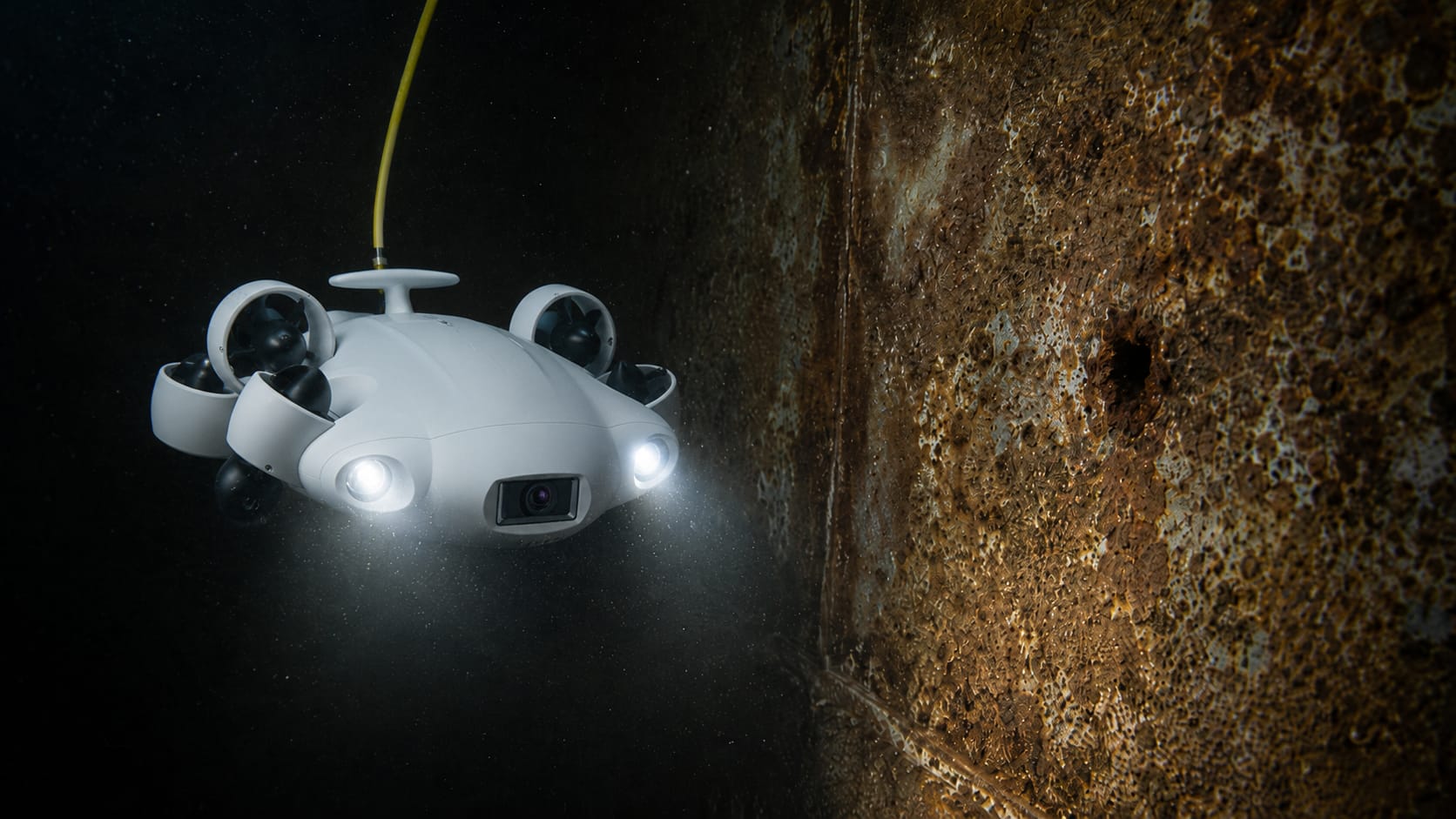
Many environmental control reservoirs use lined earthen construction rather than steel or concrete tanks, and liner integrity monitoring - leak detection systems, regular visual inspection, and documented repair when defects are found - is typically a standing licence condition in its own right, separate from the storage capacity requirement.
Water level and volume record-keeping
Because these reservoirs exist to demonstrate compliance, ongoing water level monitoring and record-keeping is usually part of the licence obligation, not an optional operational nicety. A reservoir with adequate physical capacity but no defensible record of how it has actually been managed can still leave a site exposed during a compliance audit.
An environmental control reservoir is only doing its job if its capacity, integrity and operating record can all be defended against the licence condition it exists to satisfy.
| Requirement | Typical source |
|---|---|
| Design storm event and containment period | Environmental approval or licence conditions |
| Freeboard margin above design capacity | Site-specific structural and regulatory risk assessment |
| Liner or containment integrity monitoring | Ongoing licence obligation, separate from capacity |
| Water level and volume record-keeping | Evidence base for compliance audit |
How is an environmental control reservoir sized?
Primarily against the design storm event and containment period specified in the site environmental approval or licence conditions, plus a freeboard margin - not against average operational water demand.
What happens if an environmental reservoir overtops?
An uncontrolled discharge from an environmental control reservoir is typically treated as a licence breach and can trigger regulatory reporting obligations, which is why freeboard sizing on these structures is usually conservative.
Do environmental reservoirs need ongoing monitoring beyond initial construction?
Yes. Liner or containment integrity monitoring and water level record-keeping are typically standing licence obligations for the operating life of the reservoir, not one-off construction requirements.
Need an environmental control reservoir designed or reviewed against your site licence conditions? PC Water Infrastructure works from the approval documentation, not assumptions.
Discuss Environmental Storage Design