

Water supply interruption at most commercial buildings is an inconvenience. At a hospital, it can directly affect patient care - sterilisation processes, infection control procedures, and basic clinical operations all depend on a reliable water supply, which is why healthcare facility water storage is planned around redundancy in a way few other building types require.
Infection control adds a second layer of requirement on top of supply continuity. Water systems in a healthcare setting are a recognised transmission pathway for several pathogens, and storage and distribution infrastructure needs to be managed with that risk explicitly in mind, particularly in areas of the facility housing immunocompromised patients.
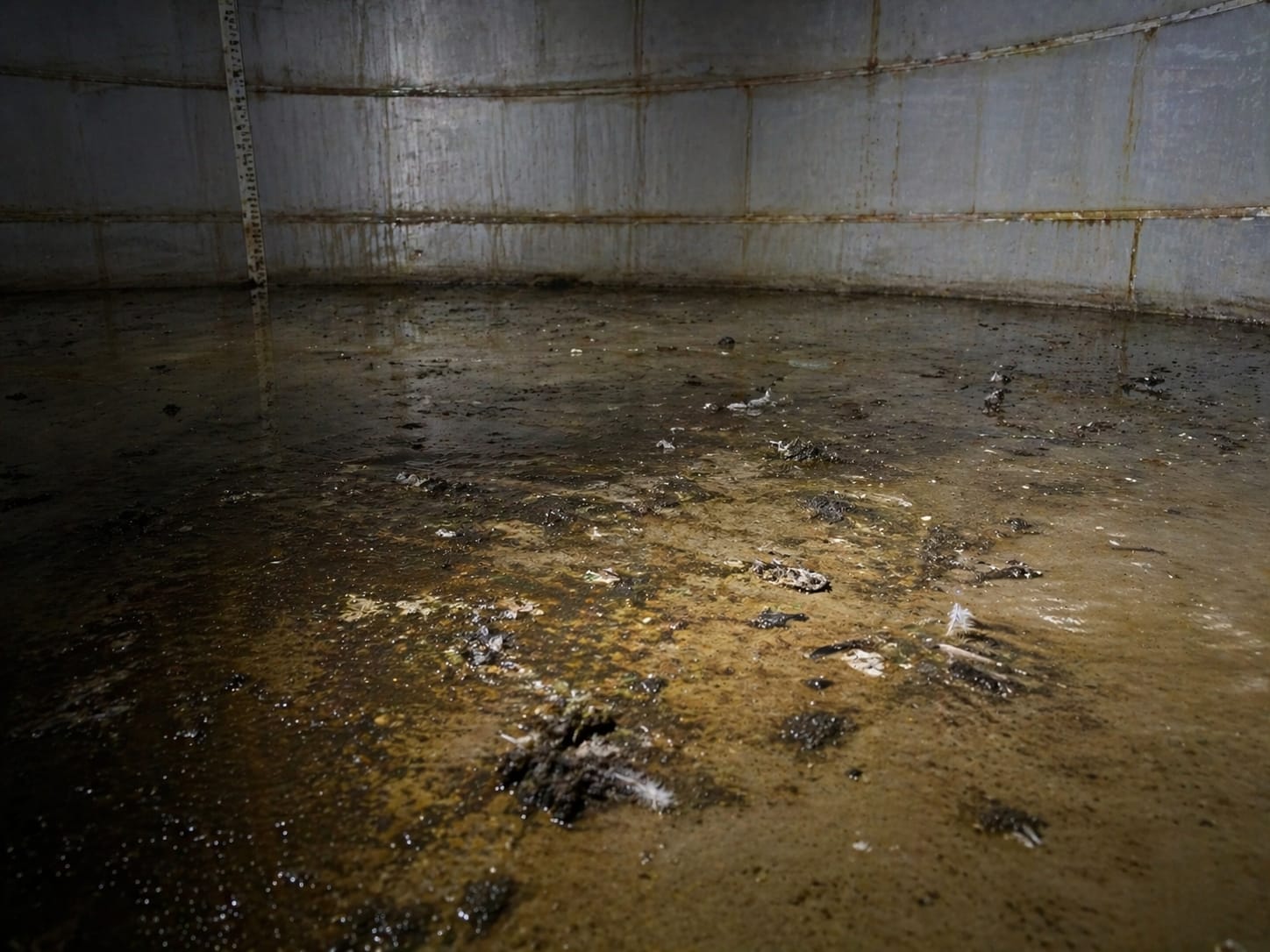
No single point of failure in critical supply
Hospital water storage is generally planned to avoid any single point of failure - multiple storage points, backup supply arrangements, and maintenance practices that never take the entire storage capacity offline at once are standard practice, reflecting the genuinely critical nature of the supply.
Emergency and business continuity planning
Water storage redundancy needs to be documented as part of the facility broader emergency and business continuity planning, with clear procedures for what happens if primary storage is compromised - this is typically a specific requirement reviewed as part of healthcare facility accreditation.
Elevated monitoring standards for immunocompromised areas
Areas of a hospital housing immunocompromised patients - oncology wards, transplant units, intensive care - typically carry the most stringent water quality monitoring requirements in the facility, and storage and distribution infrastructure serving these areas needs particular attention in any maintenance program.
Documented maintenance aligned with infection control policy
Tank inspection, cleaning and water quality testing schedules for a hospital need to align directly with the facility documented infection control policy, not run as a separate, loosely coordinated facilities management task - the two functions need to work from the same risk assessment.
Water storage at a hospital is infrastructure in service of patient safety - every maintenance and redundancy decision should be traceable back to that, not treated as a standard commercial building task.
| Item | Why it matters in a healthcare setting |
|---|---|
| Redundant storage with no single point of failure | Supply interruption directly affects patient care |
| Documented business continuity plan | Typically reviewed as part of accreditation |
| Elevated monitoring for high-risk clinical areas | Immunocompromised patients carry higher infection risk |
| Maintenance aligned with infection control policy | Ensures facilities and clinical risk management work from the same data |
Why does hospital water storage need more redundancy than other buildings?
Because a water supply interruption can directly affect patient care - sterilisation, infection control and clinical operations all depend on reliable supply, which is a higher-stakes consequence than in most other building types.
Are there different water quality standards for different areas of a hospital?
Areas housing immunocompromised patients, such as oncology or transplant units, typically require more stringent water quality monitoring than general areas of the facility, reflecting the higher infection risk to these patients.
Is water storage redundancy reviewed during hospital accreditation?
Water storage and supply continuity planning is commonly reviewed as part of a healthcare facility broader emergency and business continuity planning during accreditation processes.
Planning water storage redundancy for a hospital or healthcare facility? PC Water Infrastructure designs around continuity of critical supply.
Discuss Healthcare Water Infrastructure