
Intensive poultry and piggery operations run on tight biosecurity protocols, and water storage and supply infrastructure sits squarely within that scope - a contaminated water source can spread disease through a shed population faster than almost any other pathway, which makes storage integrity a production and animal welfare issue, not just a plumbing one.
Water demand at these operations scales directly and predictably with animal numbers and growth stage, which makes storage sizing more straightforward than some other industrial applications - but the consequence of a shortfall is severe and immediate, since livestock cannot simply wait out a supply interruption the way many other water users can.
Storage integrity as disease prevention
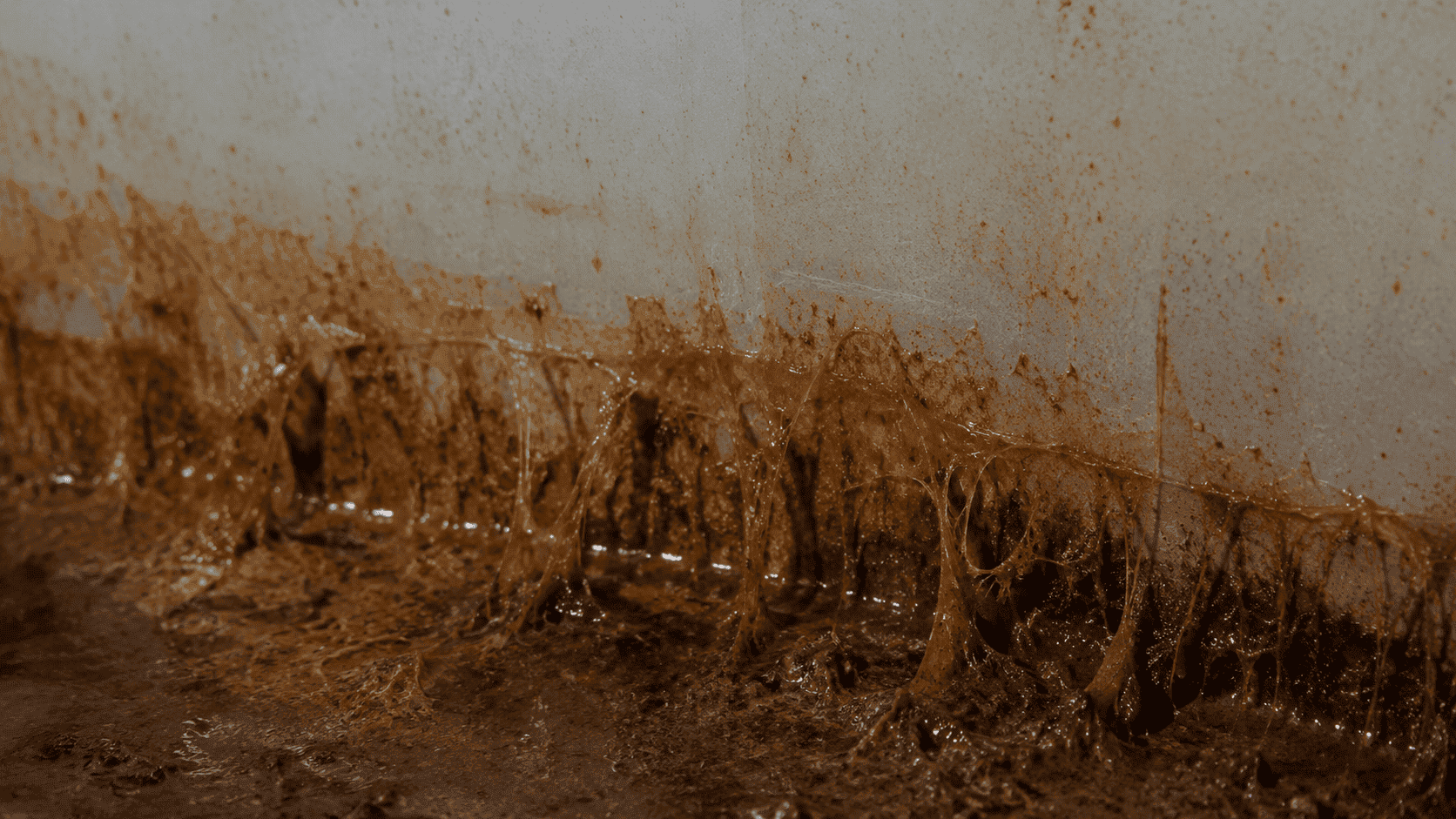
A tank with compromised structural integrity, inadequate screening against wildlife access, or poor internal cleanliness represents a genuine disease transmission risk in an intensive livestock setting - water storage maintenance needs to be assessed with this specific risk in mind, not just against general water quality standards.
Segregation between sheds or production units
Many intensive operations segregate water supply between different sheds or production units as part of their overall biosecurity strategy, limiting the ability of a contamination event in one unit to spread to others through a shared water system - this needs to be reflected in how storage infrastructure is designed and maintained.
Volume scaling directly with livestock numbers and growth stage
Water demand per animal varies by species, growth stage and, for poultry, by ambient temperature, which affects consumption significantly - storage sizing should be based on actual production figures for the specific operation rather than generic industry averages that may not reflect the facility particular stocking density and conditions.
Redundancy given the severity of a shortfall
Because livestock cannot tolerate an extended water interruption without serious animal welfare and production consequences, redundant supply arrangements are a higher priority here than in many other commercial water applications, even at smaller-scale operations.
Water storage on an intensive livestock operation is animal health infrastructure as much as it is a utility - the biosecurity plan and the water infrastructure maintenance plan should be treated as one connected system, not two separate documents.
| Item | Why it matters |
|---|---|
| Storage integrity and wildlife screening | A compromised tank is a genuine disease transmission risk |
| Supply segregation between production units | Limits contamination spread across the operation |
| Volume sized to actual stocking and growth stage | More accurate than generic industry average figures |
| Redundant supply arrangements | Livestock cannot tolerate extended supply interruption |
Why is water storage integrity a biosecurity concern on livestock operations?
A compromised tank - structural issues, poor wildlife screening or inadequate cleanliness - can allow disease transmission through a shared water source, which can spread through a shed population quickly.
How is water storage volume calculated for poultry or piggery operations?
Against actual stocking numbers, growth stage and, for poultry, ambient temperature effects on consumption - generic industry averages are less reliable than figures based on the specific operation.
Should water supply be segregated between different sheds on the same property?
This is common practice as part of a broader biosecurity strategy, limiting the ability of a contamination event in one production unit to affect others sharing the same water system.
Reviewing water storage and biosecurity for a poultry or piggery operation? PC Water Infrastructure designs storage that supports your biosecurity plan.
Discuss Livestock Water Storage