
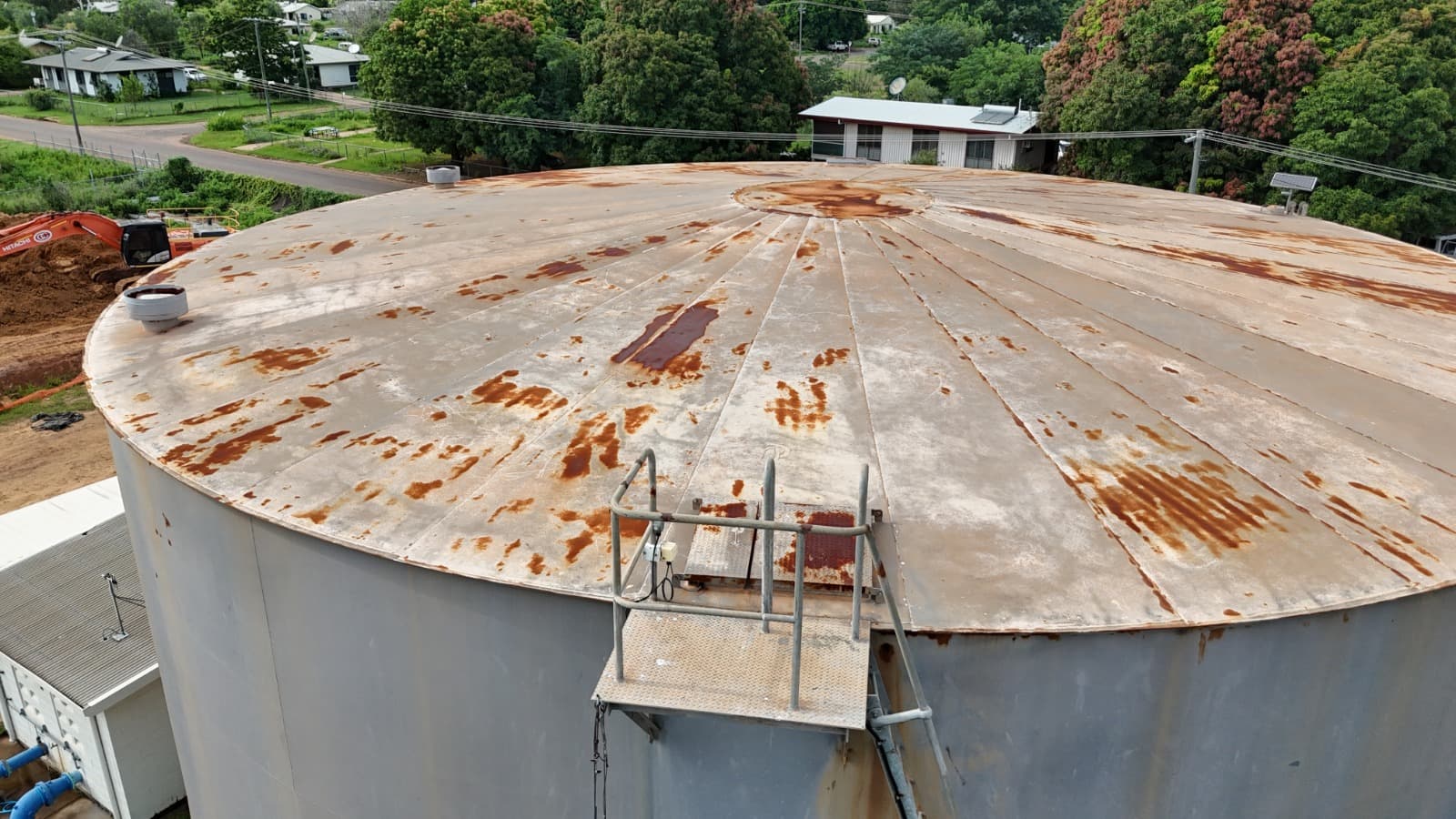
A hotel coldwater storage tank is easy to forget about. It usually sits out of sight on a roof or in a plant room, quietly buffering supply for hundreds of guest rooms, and unless something goes visibly wrong it rarely makes it onto anyone's priority list. That is exactly the profile of asset most likely to develop a water quality problem nobody catches until a guest complaint or a compliance audit forces the issue.
Coldwater storage feeding guest accommodation carries a specific risk profile that a general commercial tank does not: intermittent-use rooms, long dead-leg pipe runs to unoccupied floors, and a duty of care to guests who have no way of assessing water quality themselves. Legionella risk sits at the centre of this, since stagnant, warmed water in storage and distribution is exactly the condition the bacteria favours.
Legionella risk management as a standing duty, not a one-off check
Hotels and other accommodation providers generally carry an ongoing duty of care to manage legionella risk across their water systems, which in practice means a documented risk assessment, regular water quality monitoring, and a maintenance cycle for storage tanks and distribution pipework - not a single inspection ticked off and forgotten.
Low-occupancy periods increase stagnation risk
Off-season periods, renovated wings awaiting reopening, or floors with genuinely low guest turnover all reduce water movement through the system, which increases the risk of stagnation-related water quality issues in exactly the areas least likely to generate a guest complaint that would otherwise flag the problem.
Tank condition and internal cleanliness
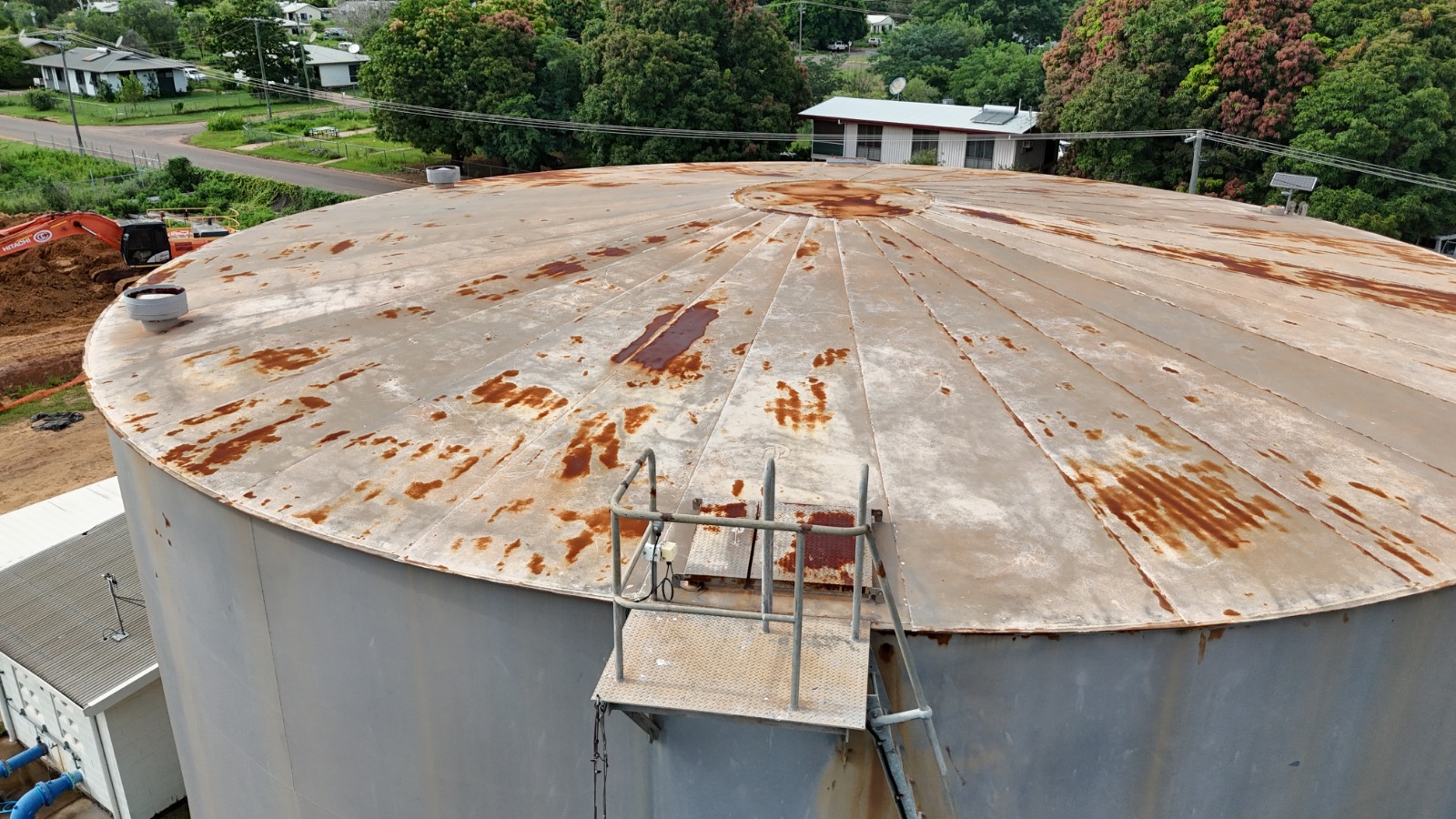
A coldwater storage tank inspection should check structural condition, internal cleanliness, sediment accumulation and the state of fittings like overflow screens and access hatches - the same fundamentals that apply to any potable water tank, with particular attention to anything that could allow contamination ingress in a building with constant guest and staff traffic nearby.
Coordinated cleaning around occupancy, not around convenience
Hotel tank cleaning needs to be scheduled around occupancy and operational impact, which usually means coordinating with hotel management on timing, ensuring temporary supply arrangements are in place if needed, and completing the work with minimal disruption to guest experience - a different logistics exercise to cleaning a tank at an unoccupied industrial site.
A hotel coldwater tank that has not been inspected in years is not necessarily a problem yet - but it is definitely a risk nobody has actually measured, which is its own kind of exposure.
| Item | Why it matters for a hotel |
|---|---|
| Documented legionella risk assessment | Standing duty of care obligation, not a one-off task |
| Regular tank and water quality inspection | Catches issues before they reach a guest complaint or audit |
| Low-occupancy area monitoring | Stagnation risk is highest where usage is lowest |
| Cleaning scheduled around occupancy | Minimises disruption to guest experience |
How often should a hotel coldwater storage tank be inspected?
This depends on the property risk assessment, but regular scheduled inspection - rather than reactive inspection only when a problem is suspected - is standard practice for accommodation providers managing legionella and water quality risk.
Why are hotels at particular risk of water quality issues?
Intermittent room occupancy and long pipe runs to lower-traffic areas of the building both increase the risk of water stagnation, which is a key condition for legionella growth and general water quality decline.
Can a hotel water tank be cleaned without disrupting guests?
Generally yes, with proper scheduling and coordination with hotel management, including temporary supply arrangements where needed - the work is planned around occupancy rather than being treated as a standard industrial shutdown.
Managing coldwater storage for a hotel or hospitality property? PC Water Infrastructure delivers inspection and cleaning programs coordinated around your occupancy.
Discuss Hotel Water Tank Compliance