
Legionella bacteria are naturally present at low levels in many water sources — the risk is not their presence, but a storage system creating the conditions that allow them to proliferate to hazardous levels. Those conditions are well understood, which is exactly what makes the risk manageable.
Stagnation
Water that sits without adequate turnover loses disinfection residual and allows biofilm and bacteria, including Legionella, to establish and multiply undisturbed. Dead legs, oversized storage relative to demand, and poorly configured inlet/outlet arrangements that create stagnant zones within a tank are all stagnation risks.
Warm temperature
Legionella proliferates most readily in a specific warm temperature range — broadly between roughly 20°C and 45°C — which is why hot water systems held at insufficient temperature, and cold water systems that warm excessively (through poor insulation or external heat exposure), both carry elevated risk.
Biofilm and nutrient availability
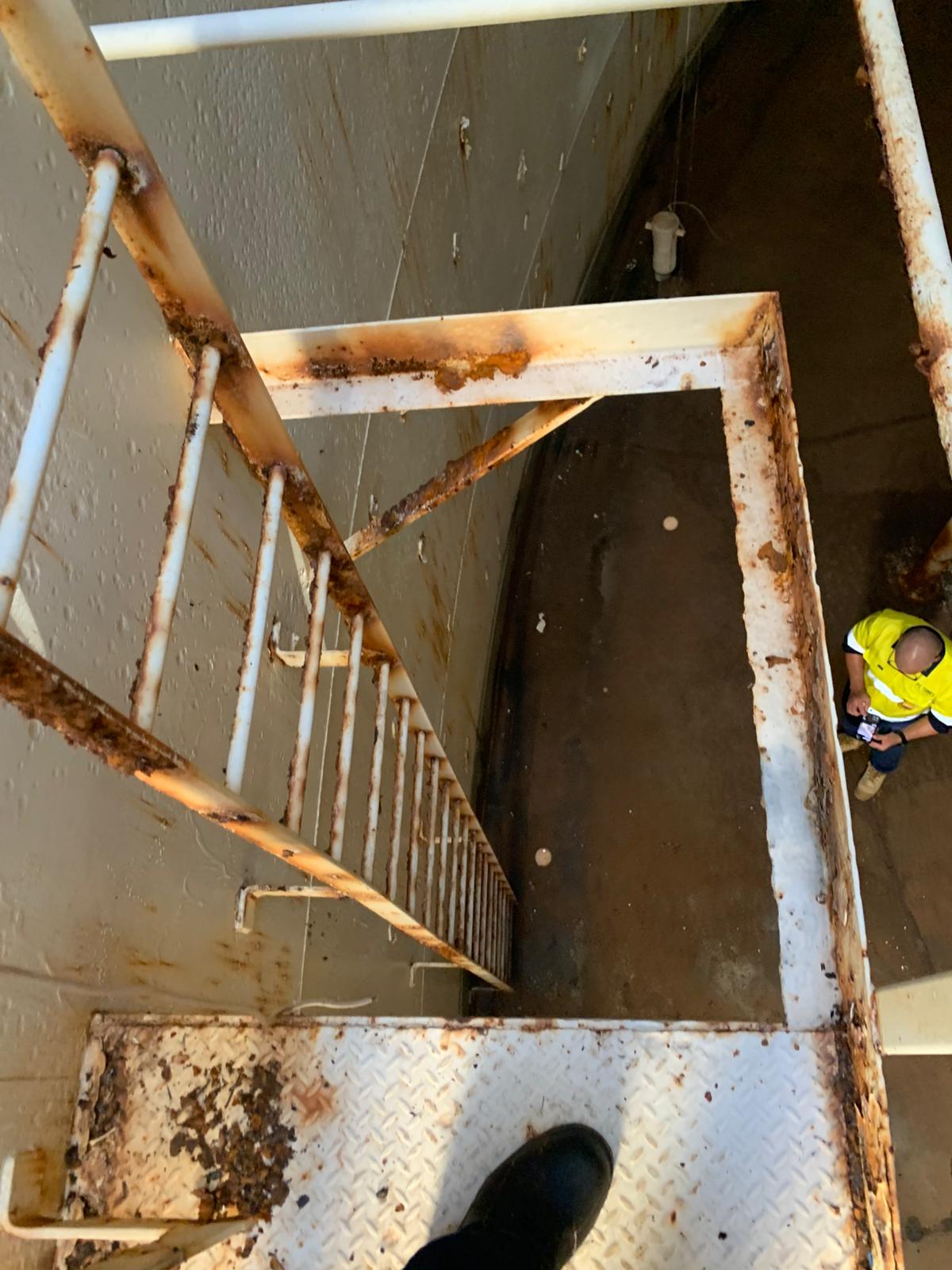
Biofilm on internal tank and pipe surfaces provides both a protective environment and a nutrient source for Legionella, effectively sheltering it from disinfectant residual that would otherwise control bacterial levels in the bulk water. Sediment accumulation compounds this by providing additional surface area and nutrient load.
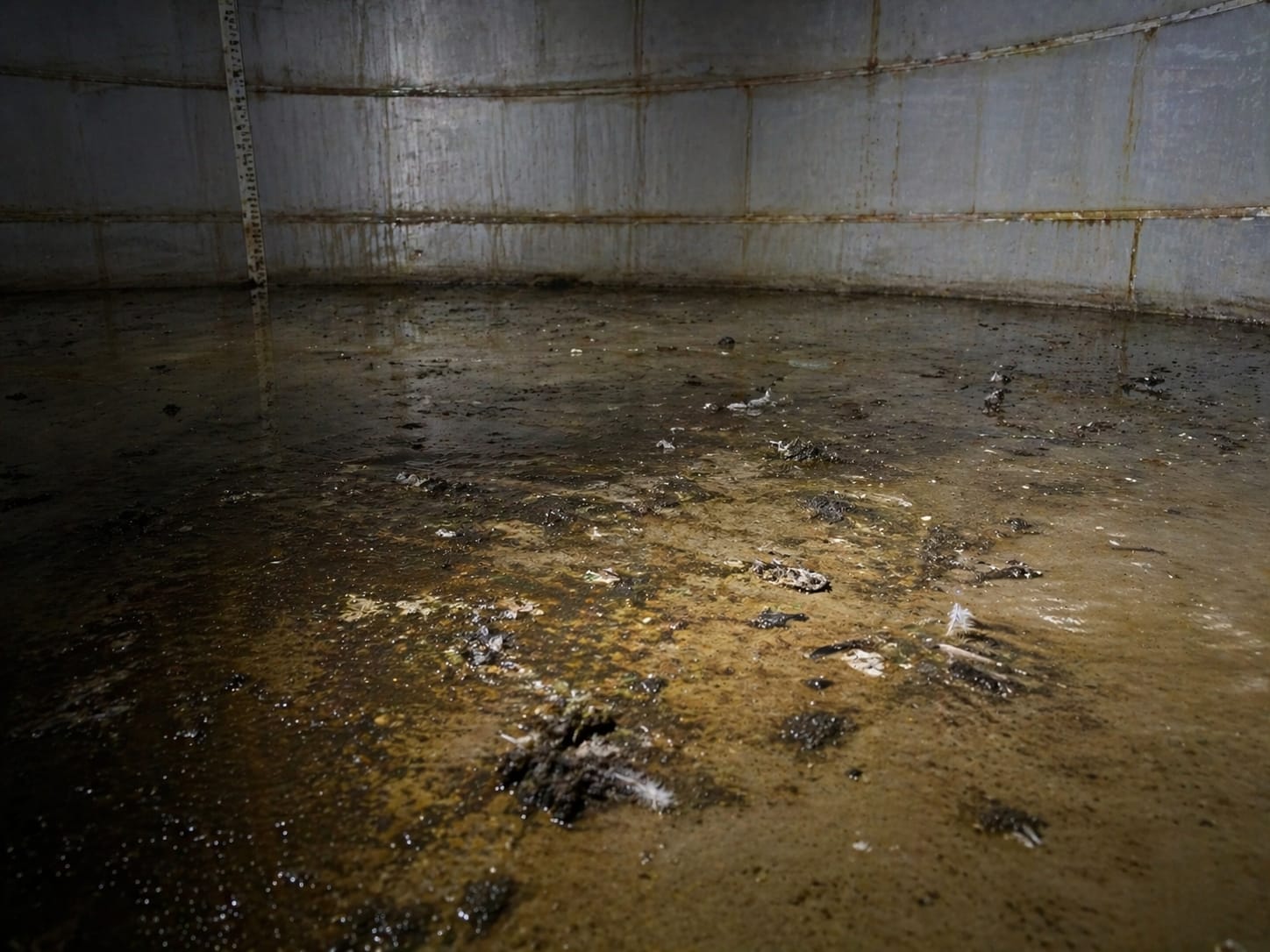
Control measures target these three drivers directly: maintaining adequate water turnover and eliminating dead legs and stagnant zones, keeping hot water systems at temperatures that inhibit proliferation and cold water systems appropriately cool, and removing biofilm and sediment through regular cleaning combined with maintaining adequate disinfection residual. A documented water safety or risk management plan that assesses these factors specifically for the site's storage and distribution configuration is standard practice for higher-risk facilities.
Legionella risk is not a mystery — it is the predictable outcome of stagnation, warm temperature and biofilm occurring together. Control the conditions, and the risk drops in proportion, which is exactly why a structured risk management approach works.
| Check | Why it matters |
|---|---|
| Water turnover rate and identification of dead legs | Stagnant zones are the primary condition allowing proliferation |
| Hot and cold water system temperatures | Confirms operation outside the temperature range favouring proliferation |
| Internal surface condition and biofilm presence | Biofilm shelters bacteria from disinfectant residual |
| Sediment accumulation on tank floor | Provides additional nutrient load and surface area for biofilm |
| Disinfection residual maintained through the system | Residual is a key control against bacterial proliferation in the bulk water |
Does the presence of Legionella in a water sample always mean there is a health risk?
Low-level presence is common in many water sources and is not automatically a hazardous condition. Risk becomes significant when the conditions for proliferation — stagnation, warm temperature, biofilm — are present and allow levels to rise, and when there is a plausible route for aerosolised exposure, such as through a cooling tower or shower system.
How often should a facility test for Legionella?
Testing frequency depends on the facility type, applicable regulatory requirements, and the specific risk profile identified in a water safety or risk management plan — higher-risk facilities such as those with cooling towers or health-care water systems typically test more frequently than a standard commercial site.
Is regular tank cleaning enough to control Legionella risk on its own?
Cleaning addresses the biofilm and sediment driver directly, but a complete control approach also needs to manage water turnover (avoiding stagnation) and temperature. Cleaning alone, without addressing stagnation or temperature issues, leaves two of the three proliferation drivers unaddressed.
Assessing or managing Legionella risk in your water storage and distribution system? Addressing stagnation, temperature and biofilm together is what actually controls it.
Discuss a Legionella risk assessment