

A water infrastructure tender is only as good as the information behind it. Councils and asset owners that write a specification around assumed conditions, rather than confirmed ones, routinely end up with variations, disputes or a result that does not match what was actually needed.
Scope written around assumed condition, not confirmed condition
A tender for tank refurbishment, relining or maintenance that specifies a scope based on age or a desktop review — without a current condition inspection — is asking bidders to price against an unknown. The result is either inflated bids that price in risk, or under-priced bids that generate variations once the real condition is exposed.
Unclear boundaries between base scope and provisional items
Where civil works, access requirements, or discovery-dependent items (like unknown sediment volume or unforeseen structural repair) are not clearly separated from the fixed-price base scope, evaluating and comparing bids becomes unreliable — each bidder may have made different assumptions about what sits where.
Compliance requirements stated too generically
Referencing "relevant Australian Standards" without specifying which standards apply to which component, or omitting the specific service level required, leaves interpretation to the bidder — and different bidders will interpret it differently, undermining a fair comparison.
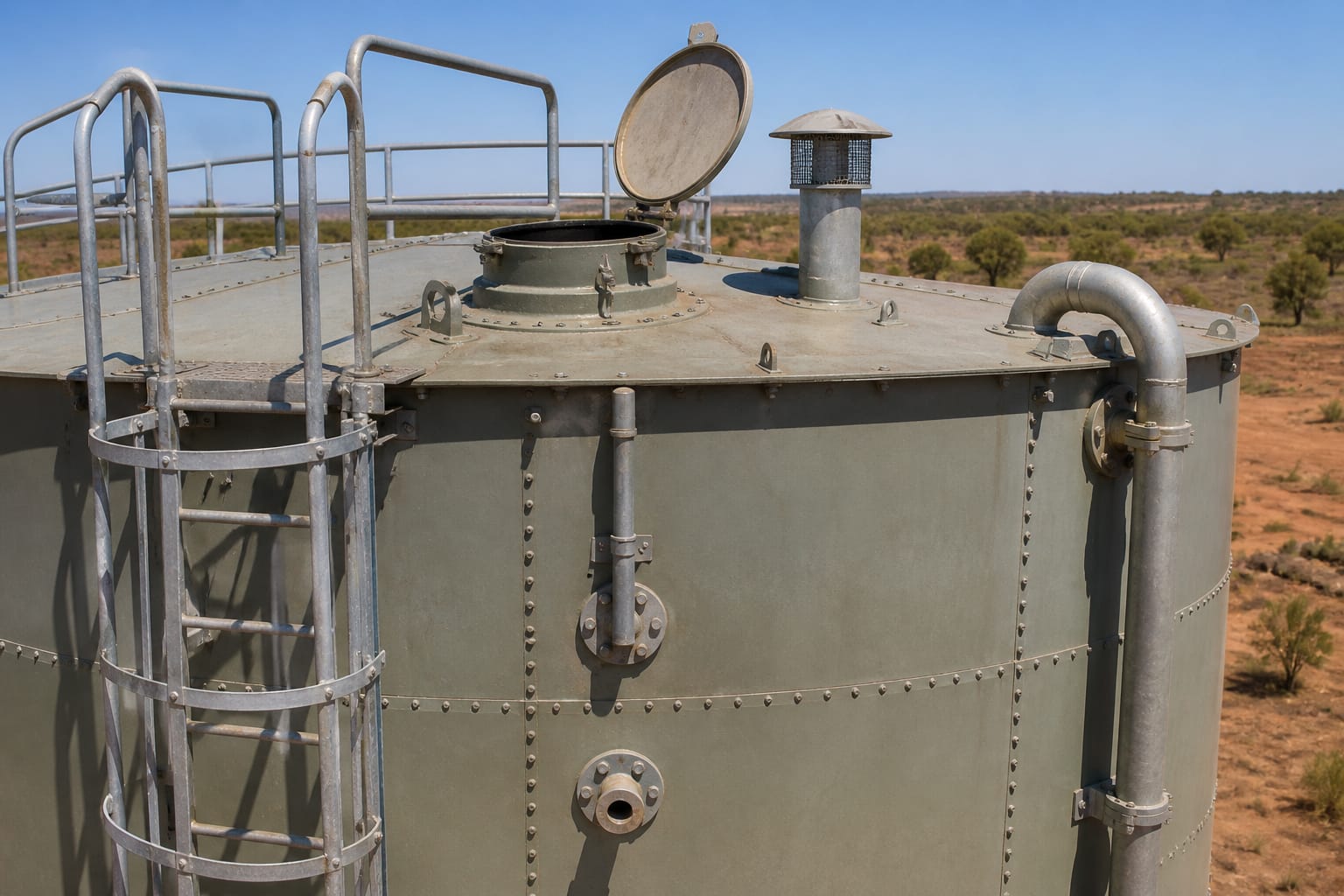
A properly prepared water infrastructure tender is built on a current condition assessment, a clearly separated base scope and provisional schedule, and specific, named compliance requirements. That preparation cost is small relative to a single contract variation, and it is what allows genuinely comparable bids to come back — the entire point of running a tender in the first place.

A tender specification is not a wish list — it is the document every bid, every comparison, and every eventual variation will be measured against. Ambiguity in that document does not disappear during the contract; it just becomes someone's dispute.
| Check | Why it matters |
|---|---|
| Current condition inspection completed | Lets bidders price against confirmed condition, not assumption |
| Base scope and provisional items clearly separated | Enables a genuine, comparable evaluation across bids |
| Named, specific Australian Standards referenced | Removes ambiguity in what compliance actually requires |
| Site access, freight and civil constraints documented | Prevents unpriced surprises once the contract is underway |
| Clear evaluation criteria published with the tender | Reduces the risk of a challenged or disputed award |
Should a condition inspection always precede a tank refurbishment tender?
For any refurbishment, relining or significant maintenance scope, yes. Without current condition data, bidders are pricing against an assumption, which typically produces either inflated prices to cover risk or under-priced bids that generate variations once the actual condition is confirmed.
Why do water infrastructure contracts generate so many variations?
Most variations trace back to scope that was not fully defined at tender stage — often because condition, site constraints or compliance requirements were assumed rather than confirmed. Addressing these at the specification stage is the most effective way to reduce variations later.
Can an asset owner get help preparing a tender specification, not just responding to one?
Yes — pre-tender condition assessment and specification support is a distinct service from delivering the resulting contract, and engaging it early is one of the more effective ways to improve tender outcomes and reduce disputes.
Preparing a water infrastructure tender? A pre-tender condition assessment gives bidders — and you — a specification that holds up.
Discuss tender preparation support