

A coating protects steel by keeping water off it. Cathodic protection takes a different approach entirely — it changes the electrochemistry at the steel surface so that even where the coating has failed, the underlying metal corrodes far more slowly, or not at all.
The basic principle
Corrosion is an electrochemical process — steel loses metal ions to its environment through a flow of electrical current. Cathodic protection either introduces a more easily corroded sacrificial metal (an anode) that corrodes preferentially in place of the tank steel, or applies a controlled electrical current that suppresses the corrosion reaction at the tank surface. Either way, the steel itself becomes the protected, cathodic side of the reaction.
Why it matters even with a good coating
No coating system remains perfect indefinitely — holidays, mechanical damage and coating ageing all expose small areas of bare steel over time. On a coated tank without cathodic protection, those exposed spots corrode normally. On a coated tank with cathodic protection, the same exposed spots are still protected, because the protection works at the steel surface, independent of whether the coating above it is intact.
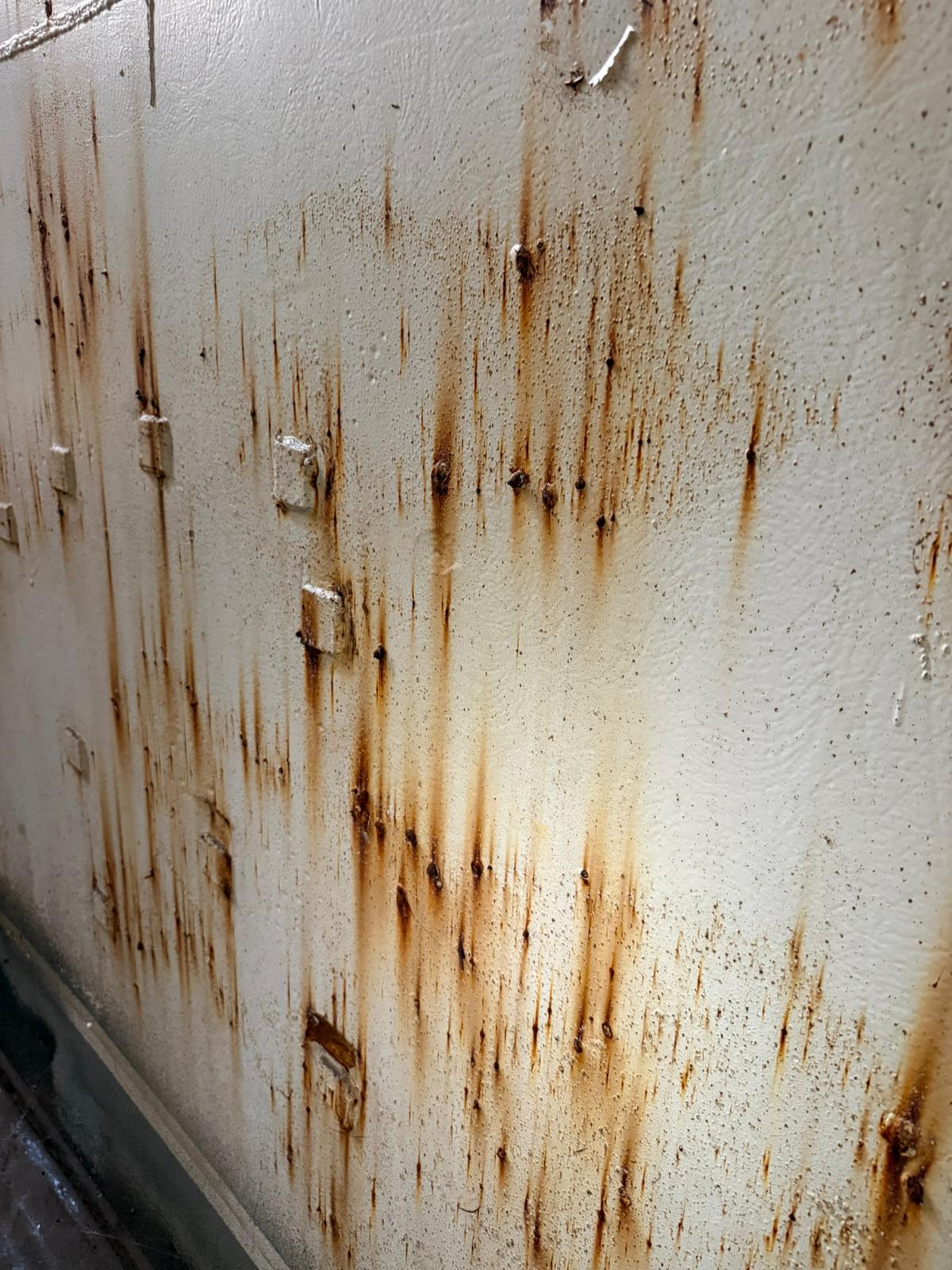
Cathodic protection is most valuable on tanks where coating condition is difficult to maintain perfectly, where the water chemistry is aggressive, or where the consequence of localised corrosion — a fire tank, a critical potable supply, a tank with limited access for recoating — makes an additional layer of protection worthwhile. It is less commonly justified on smaller, easily accessed, low-consequence tanks where routine recoating on a normal maintenance cycle is a simpler and adequate answer.
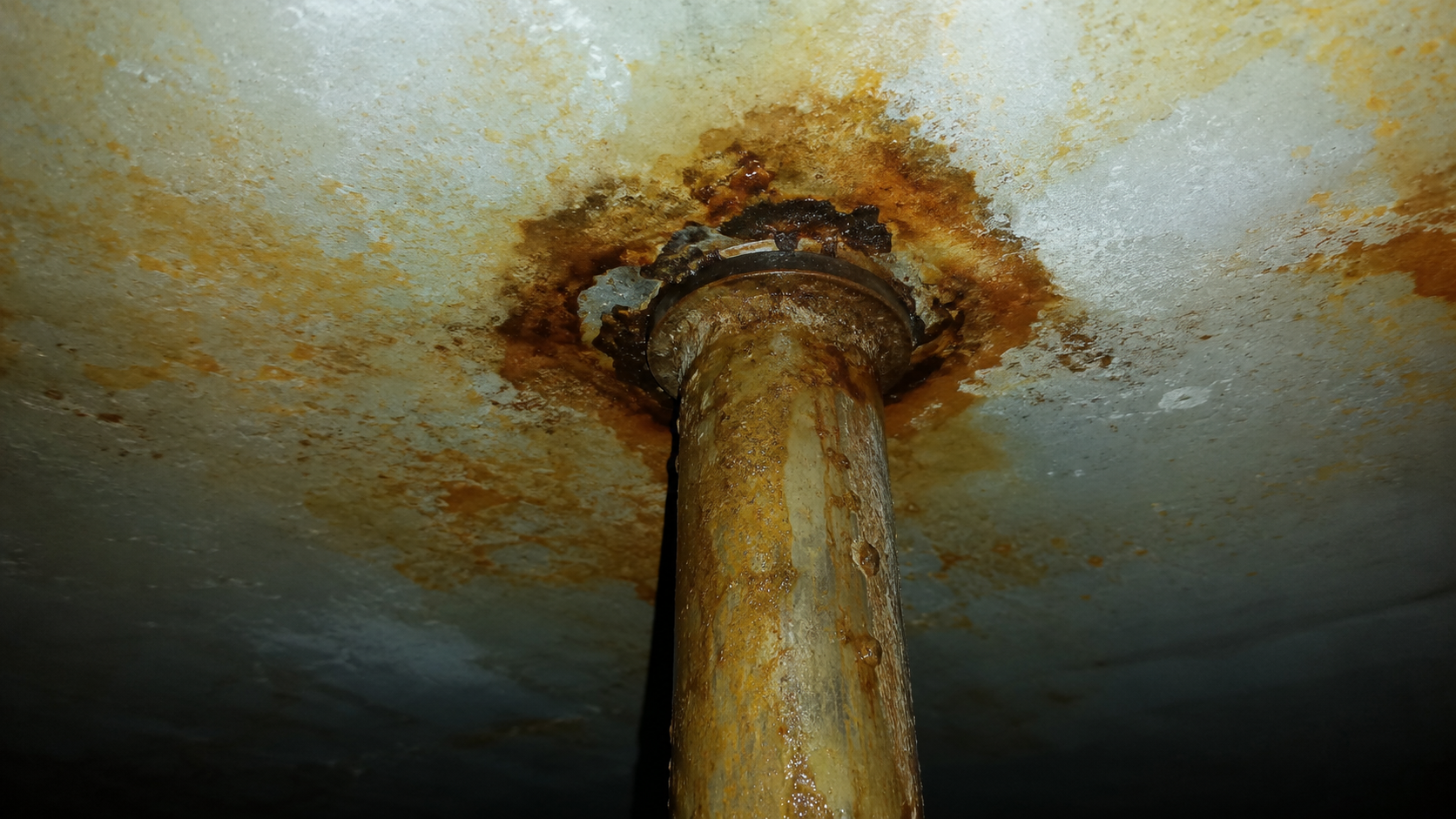
A coating is a barrier that can fail. Cathodic protection is a second, independent line of defence that keeps working even after the barrier does — which is exactly why the two are usually specified together on tanks that cannot afford a corrosion surprise.
| Situation | Cathodic protection is likely worthwhile |
|---|---|
| High-consequence asset (fire tank, critical potable supply) | Yes — reduces risk from localised coating failure between inspections |
| Aggressive water chemistry or known corrosion history | Yes — supplements coating performance where it is under more stress |
| Limited access for regular recoating | Yes — extends protection life between maintenance interventions |
| Small, easily accessed, low-consequence tank | Often not required — routine recoating cycle may be sufficient |
Does cathodic protection replace the need for a coating?
No — the two work together. The coating remains the primary barrier keeping water off the steel; cathodic protection provides ongoing protection at points where that barrier is compromised, whether through age, mechanical damage or coating holidays.
How do I know if my tank already has cathodic protection installed?
A tank with sacrificial anode protection will typically have visible anode fittings inside the tank; an impressed-current system will have a power supply and reference electrodes. If it is unclear from as-built records, a condition inspection can confirm whether a system is present and functioning.
Does cathodic protection require ongoing maintenance?
Yes. Sacrificial anodes deplete over time and need periodic replacement; impressed-current systems need their power supply and monitoring checked. Cathodic protection is not a set-and-forget system — its condition should be verified as part of routine tank inspection.
Not sure whether your tank would benefit from cathodic protection, or whether an existing system is still working? Our engineers can assess it.
Request a corrosion protection assessment