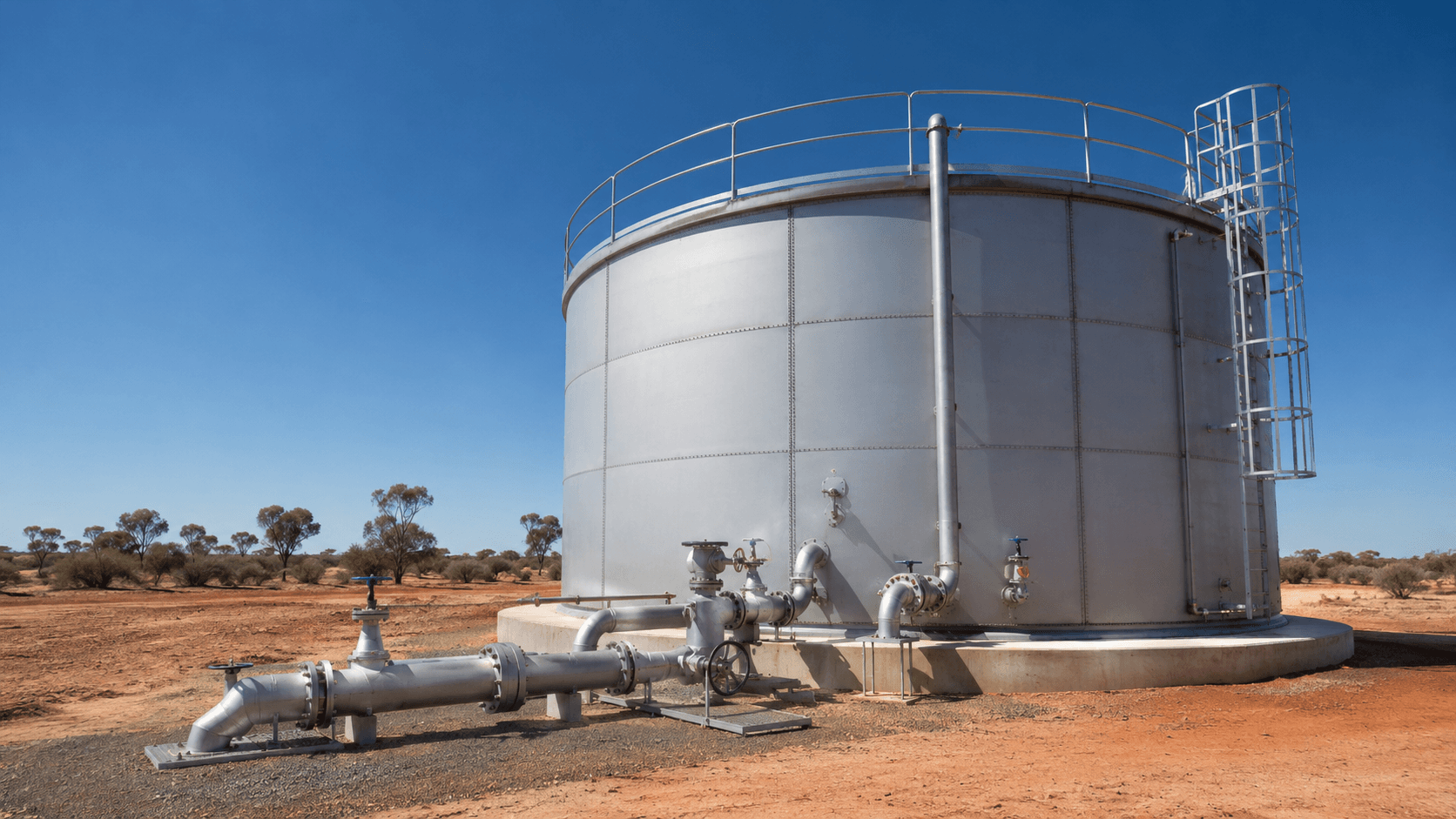
A standard tank range covers most sites well, which is exactly why it is standard. The sites that do not fit that range are not edge cases you can force a standard product onto — they need the design worked backward from the constraint, not forward from a catalogue.
Footprint
An irregular, tight or awkwardly shaped site — common on infill commercial sites, existing industrial plants, or heritage-constrained locations — often cannot accommodate the round or standard rectangular footprint a catalogue tank assumes. Custom design can reshape the storage solution to fit the available footprint rather than compromising the required capacity.
Height restrictions
Planning overlays, sightline requirements, or proximity to flight paths and infrastructure corridors can cap a structure's height well below what a standard tank of the required capacity would need. The answer is often not a smaller tank, but a wider, lower or differently proportioned custom design that keeps the same usable volume within the height available.
Unusual capacity or flow requirements
A site with an atypical demand profile — a large instantaneous fire flow requirement alongside modest daily potable demand, for example — can need a tank configured around two very different draw patterns rather than a single standard specification.
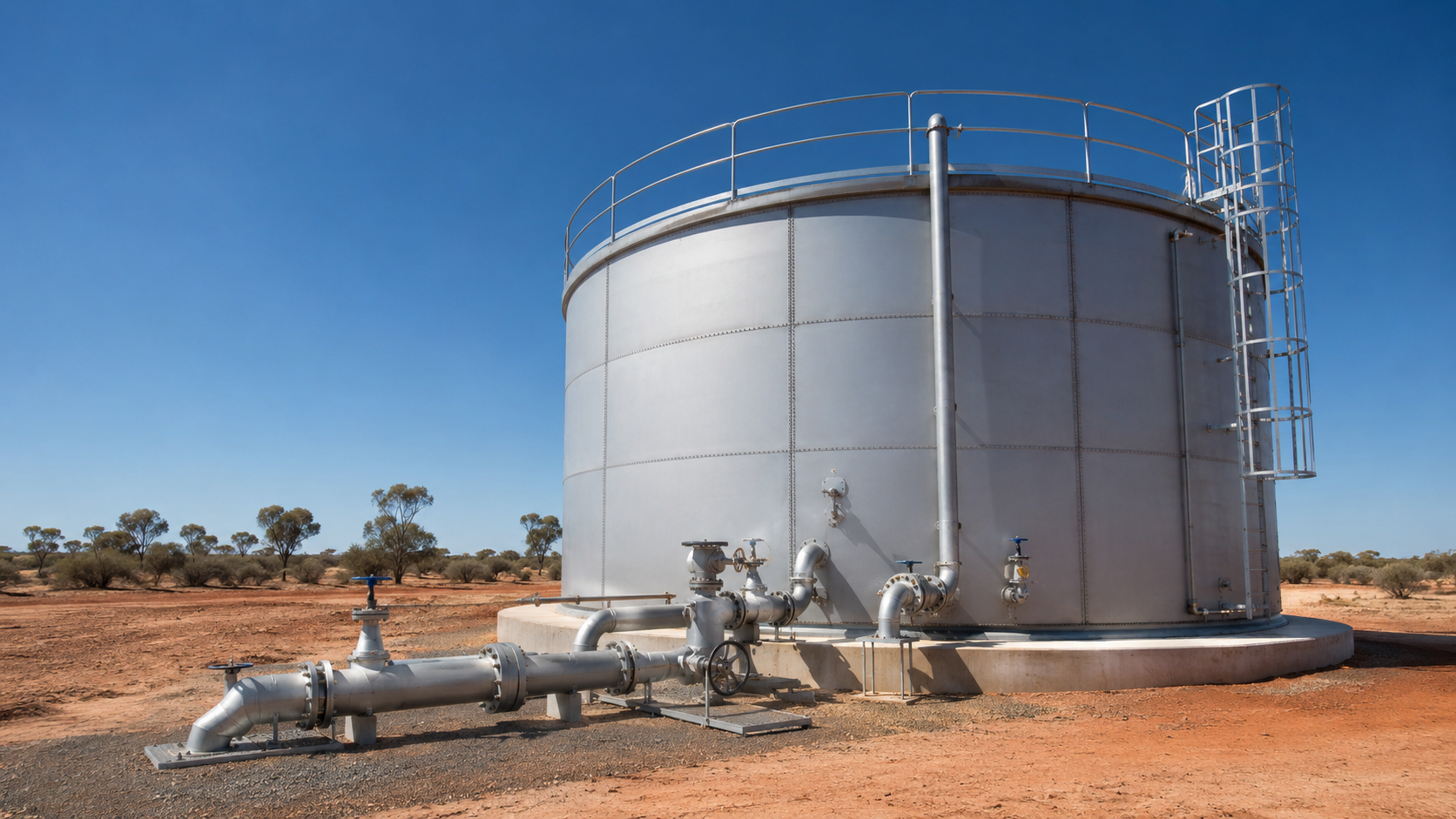
Custom design is not automatically the right call — for a straightforward site, a standard tank is faster to procure, better understood by installers, and usually more cost-effective. Custom design earns its premium specifically where the site, capacity profile, or integration requirements genuinely cannot be met any other way, and forcing a standard product onto those sites would mean compromising on either capacity, compliance, or structural integrity.
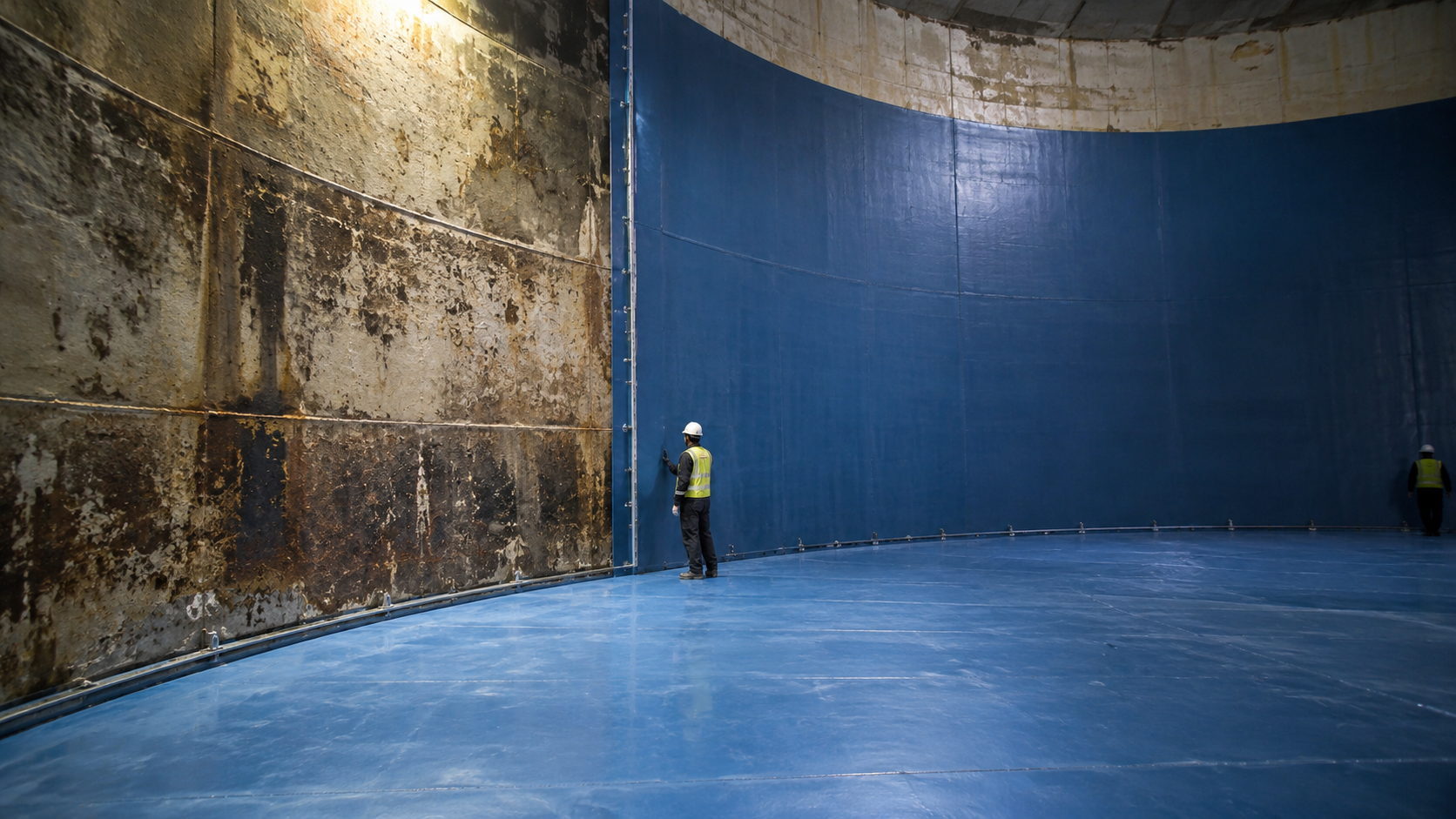
The question is never "custom or standard" in the abstract. It is whether the site's real constraints — footprint, height, demand profile — can be met by an off-the-shelf specification. If they can, use it. If they cannot, forcing the fit costs more in the long run than designing for it upfront.
| Question | If yes, custom design is likely needed |
|---|---|
| Is the available footprint irregular or significantly constrained? | A standard round or rectangular tank may not fit without compromise |
| Is there a height restriction below what a standard tank of this capacity needs? | A wider, lower custom profile can preserve capacity within the height limit |
| Does the site have two very different demand profiles (e.g. fire and potable)? | A single standard configuration may not serve both properly |
| Does the tank need to integrate with existing structures or services? | Custom fittings and connections are often required |
Is a custom tank always more expensive than a standard one?
Generally yes, in upfront cost — but that comparison only makes sense where a standard tank is genuinely viable. Where site constraints rule out a standard product, the real comparison is custom design versus a compromised standard installation, and the custom option is often the more cost-effective one over the tank's service life.
Does a custom tank still use standard materials and liner systems?
Yes. Custom design typically changes the tank's shape, footprint or configuration to fit the site — it does not usually mean unproven materials. Coatings, liner systems and structural components are generally the same proven products used across standard installations.
How early should custom tank design be considered in a project?
As early as possible — ideally before site works or civil design are finalised. Custom tank geometry affects the foundation, access requirements and integration with other services, so involving tank design early avoids costly rework later in the project.
Standard tank ranges won't fit your site? Our engineers can assess the constraint and design around it.
Discuss a custom tank design