
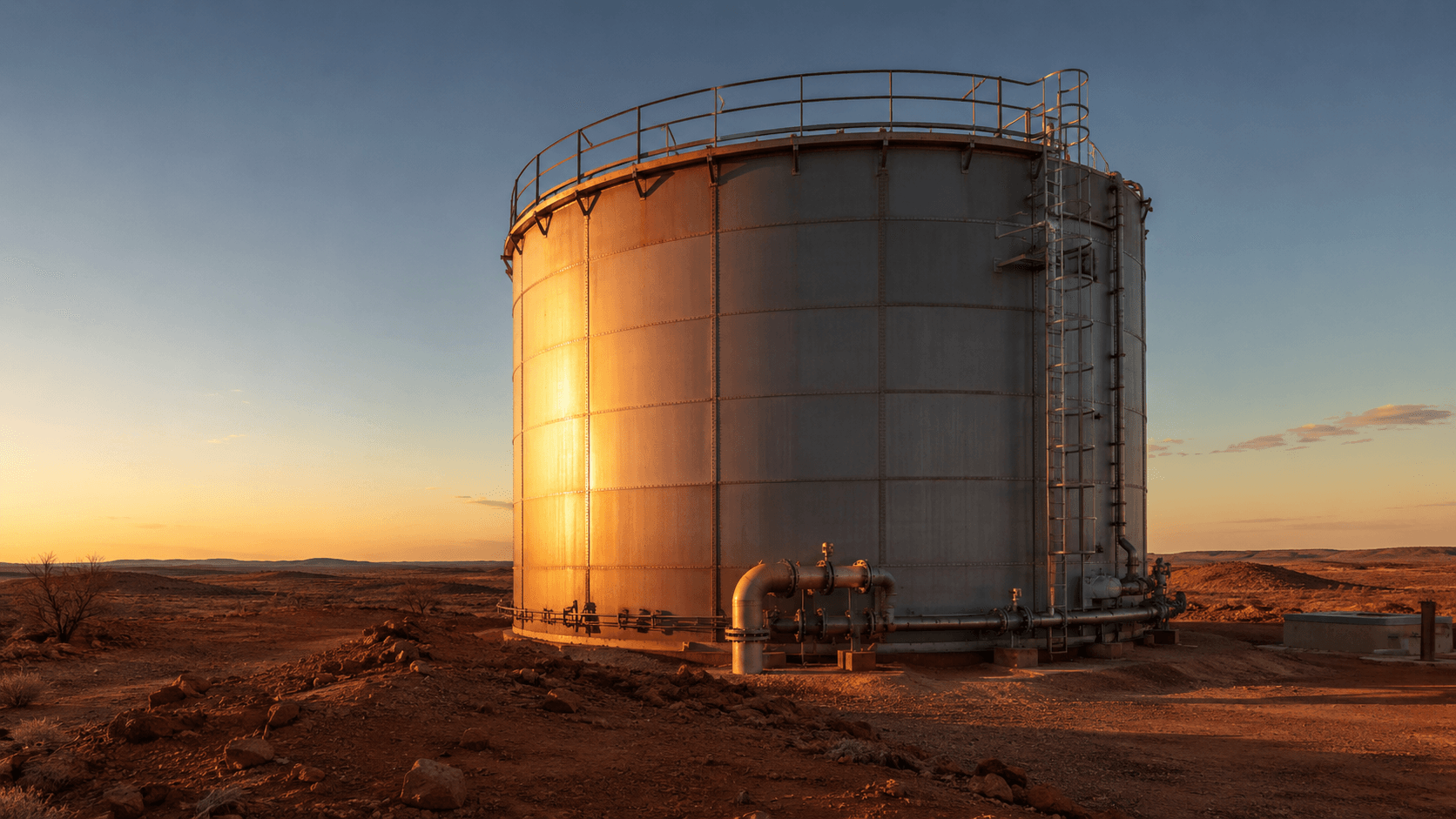
Waste and recycling facilities carry a fire risk profile that is meaningfully different from most industrial sites, given the combustible nature of stockpiled materials - general waste, recovered timber, plastics, and in some facilities, organic material that can generate its own heat through decomposition. Water infrastructure here is genuinely operationally critical, not a background utility.
Stockpile fires at waste and recycling facilities are a recognised industry risk, and regulatory and insurance requirements around fire water storage and suppression capability for these sites often reflect this elevated risk more explicitly than standard commercial or light industrial fire protection requirements would.
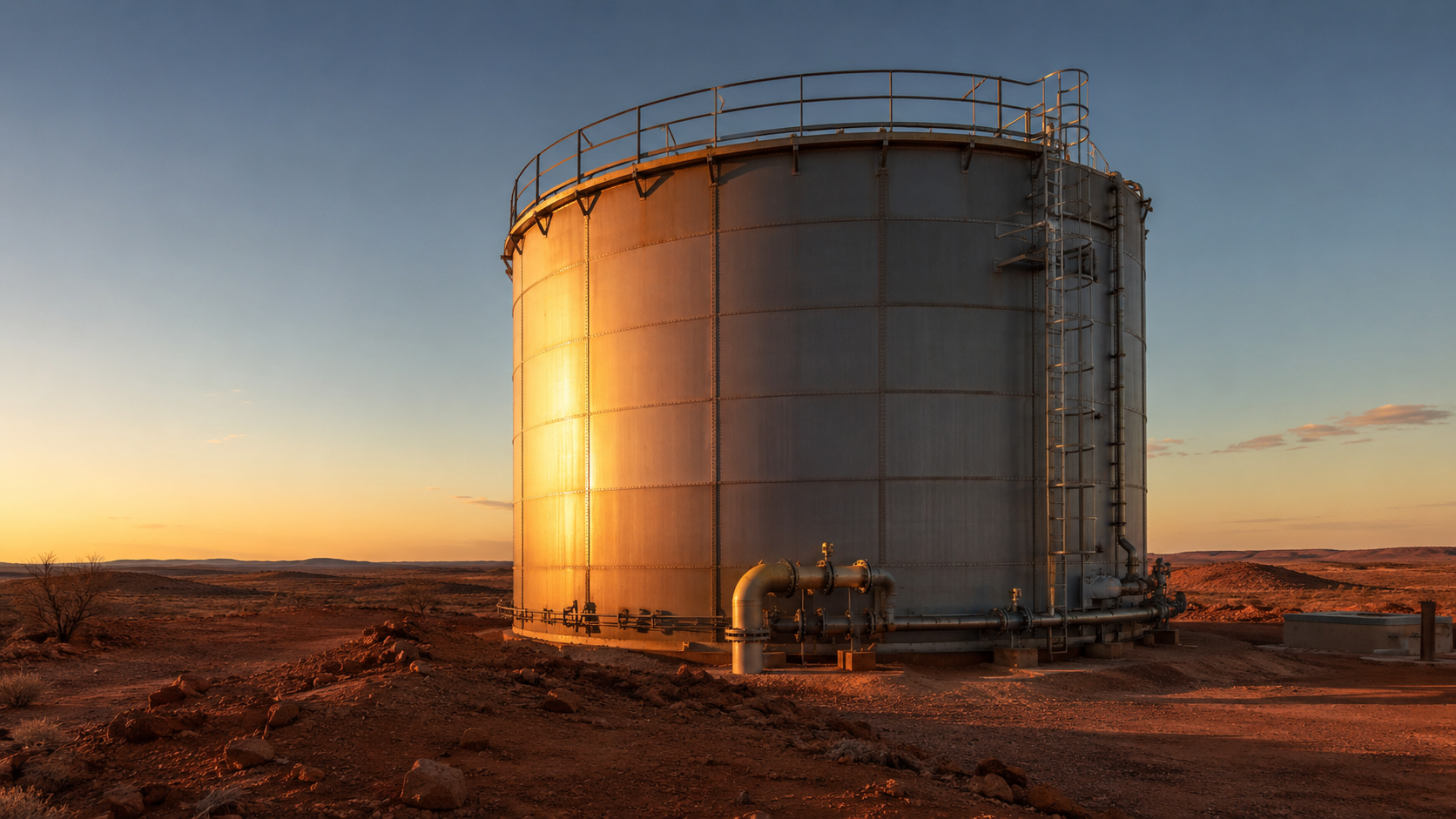
Storage capacity reflecting stockpile fire risk
Fire water storage sizing for a waste or recycling facility needs to account for the specific fire risk of the materials handled and stockpiled on site, which can be significantly higher than a standard industrial hazard classification would suggest - this is a case where the site-specific risk assessment matters more than a generic sizing rule.
Insurance and regulatory expectations often exceed minimum compliance
Given the recognised industry fire risk, insurers and regulators frequently expect waste and recycling facility fire water provision to exceed bare minimum compliance standards - this is worth understanding at the design or upgrade stage, since insurance terms can be materially affected by demonstrated fire water adequacy.
Dust suppression across processing and stockpile areas
Beyond fire risk, dust suppression across processing operations and stockpile areas is a real, ongoing operational water demand at many waste and recycling facilities, similar in character to the dust management challenge at a quarry site.
Water quality considerations for site runoff and discharge
Waste and recycling facilities often have environmental licence conditions governing site runoff and discharge, given the contamination risk from stockpiled materials - storage and water management planning benefits from being considered alongside these broader environmental compliance obligations.
Water storage at a waste or recycling facility is frontline fire risk management, not a supporting utility - the sizing and reliability standard should reflect that directly, not follow a generic industrial default.
| Item | Why it matters |
|---|---|
| Fire storage sized to actual stockpile risk | Often exceeds generic industrial hazard classification |
| Insurance and regulatory expectations review | Can affect insurance terms and premiums directly |
| Dust suppression across processing areas | Ongoing operational demand, similar to quarry sites |
| Runoff and discharge compliance coordination | Storage planning linked to broader environmental obligations |
Why is fire water storage particularly important at waste and recycling facilities?
Combustible stockpiled materials create a recognised, elevated fire risk in this sector, which means fire water storage sizing often needs to reflect the specific site risk rather than a generic industrial hazard classification.
Do insurers have specific expectations for waste facility fire water provision?
Often yes - given the recognised industry fire risk, insurers frequently expect fire water provision that exceeds minimum regulatory compliance, and this can materially affect insurance terms.
Is dust suppression a significant water demand at these facilities?
Yes, particularly across processing and stockpile areas - the demand character is similar to the dust management challenge faced at quarry sites.
Reviewing fire water or dust suppression storage for a waste management or recycling facility? PC Water Infrastructure sizes against your actual site fire risk.
Discuss Waste Facility Water Storage