

Central West NSW, including Dubbo and the surrounding region, has been through some of the state's most significant drought periods in recent decades — periods that tested council and property-level water storage planning in ways that continue to shape sound practice in the region today.
Sizing against genuine dry-period duration, not an average
A drought that extends well beyond a typical dry season exposes storage that was sized against an averaged annual demand figure rather than a realistic worst-case duration. The Central West's drought history is a useful, sobering reference point for sizing storage against a genuinely conservative dry-period assumption, not an optimistic average.
Regional and council-level water security planning
Councils across the Central West, including Dubbo Regional Council, have had to build water security planning that accounts for reservoir levels like Burrendong Dam dropping to critical levels during extended drought — a planning discipline that extends down to individual property and facility storage decisions, particularly for any site treating tank storage as a meaningful contingency.

For a property, business or council asset in the Dubbo region, this generally means sizing any storage against a genuinely conservative dry-period duration informed by the region's actual drought history, rather than recent average conditions, and maintaining that storage's condition and inspection schedule so it can actually deliver its rated capacity if a drought event tests it again.
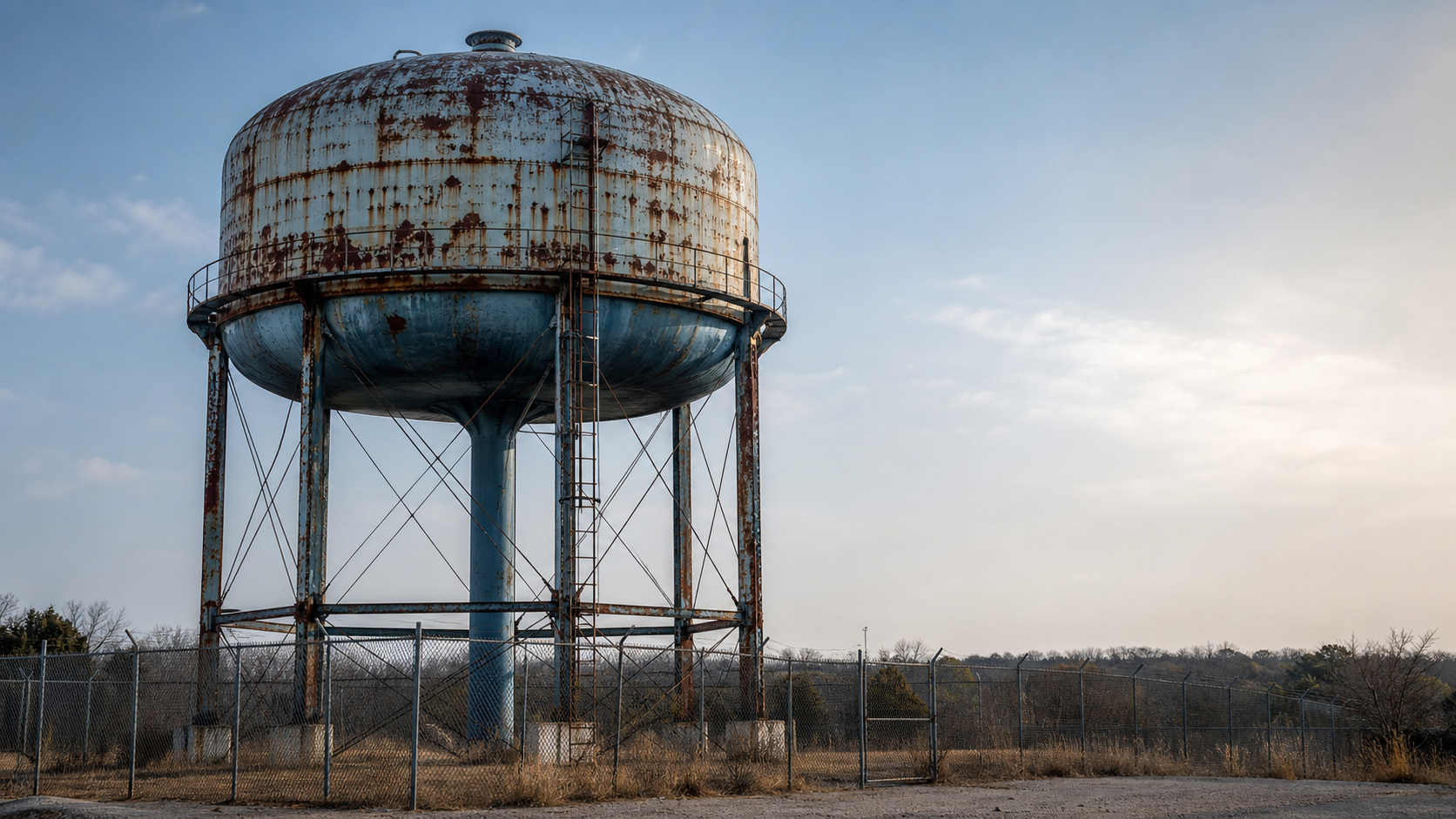
The Central West's drought history is not ancient history — it is a planning benchmark. Sizing storage against anything less conservative risks repeating a lesson the region has already learned.
| Check | Why it matters locally |
|---|---|
| Storage sized against a conservative, drought-informed duration | The region's history shows average-condition sizing can fall short |
| Condition inspection maintained on schedule | Rated capacity is only meaningful if verified through actual inspection |
| Fire compliance volume reserved and protected from general drawdown | Especially important during extended dry periods placing pressure on all storage |
| Council and property-level planning aligned where relevant | Regional water security planning benefits from consistency across scales |
How should water storage be sized for a Dubbo-region property given the area's drought history?
Against a genuinely conservative dry-period duration informed by the region's documented drought experience, rather than recent average rainfall conditions, particularly for any property treating tank storage as a meaningful supply contingency.
Does council-level water security planning affect individual property decisions?
Not directly in most cases, but the same conservative planning discipline that regional water security planning applies at the reservoir level is a sound principle to apply at the individual property or facility level too.
Is fire compliance storage at greater risk during an extended drought?
It can be if it is not properly reserved and protected from general water use — during a drought, the pressure to draw on every available water source increases, which makes a properly separated and protected fire compliance volume more important, not less.
Reviewing water storage resilience for a Dubbo region property or facility? Sizing against the region's real drought history is worth the conservative approach.
Discuss your Dubbo region project