

Wagga Wagga and the wider Riverina sit on a river system, the Murrumbidgee, capable of both significant flooding and extended low-flow periods — and the region's substantial agricultural base means water storage decisions here carry real production consequences, not just convenience.
Flood and drought on the same river system
The Murrumbidgee's flow variability means properties along and near the river need to plan for both flood exposure — affecting tank siting and foundation design — and extended low-flow periods that place pressure on irrigation and stock water supply, sometimes within the same multi-year cycle.
Agricultural demand shaping storage requirements
Farm and agribusiness water storage across the Riverina is often sized at a genuinely different scale and against a different demand pattern than urban commercial storage — irrigation timing, stock watering demand, and bore water quality all factor into a properly specified agricultural tank in ways a standard commercial specification does not address.

For an agricultural or rural property in the Wagga Wagga region, this generally means confirming tank siting and foundation account for realistic local flood exposure where relevant, sizing storage against actual seasonal demand rather than a generic figure, and factoring bore water chemistry into material and coating specification where groundwater is a significant source.
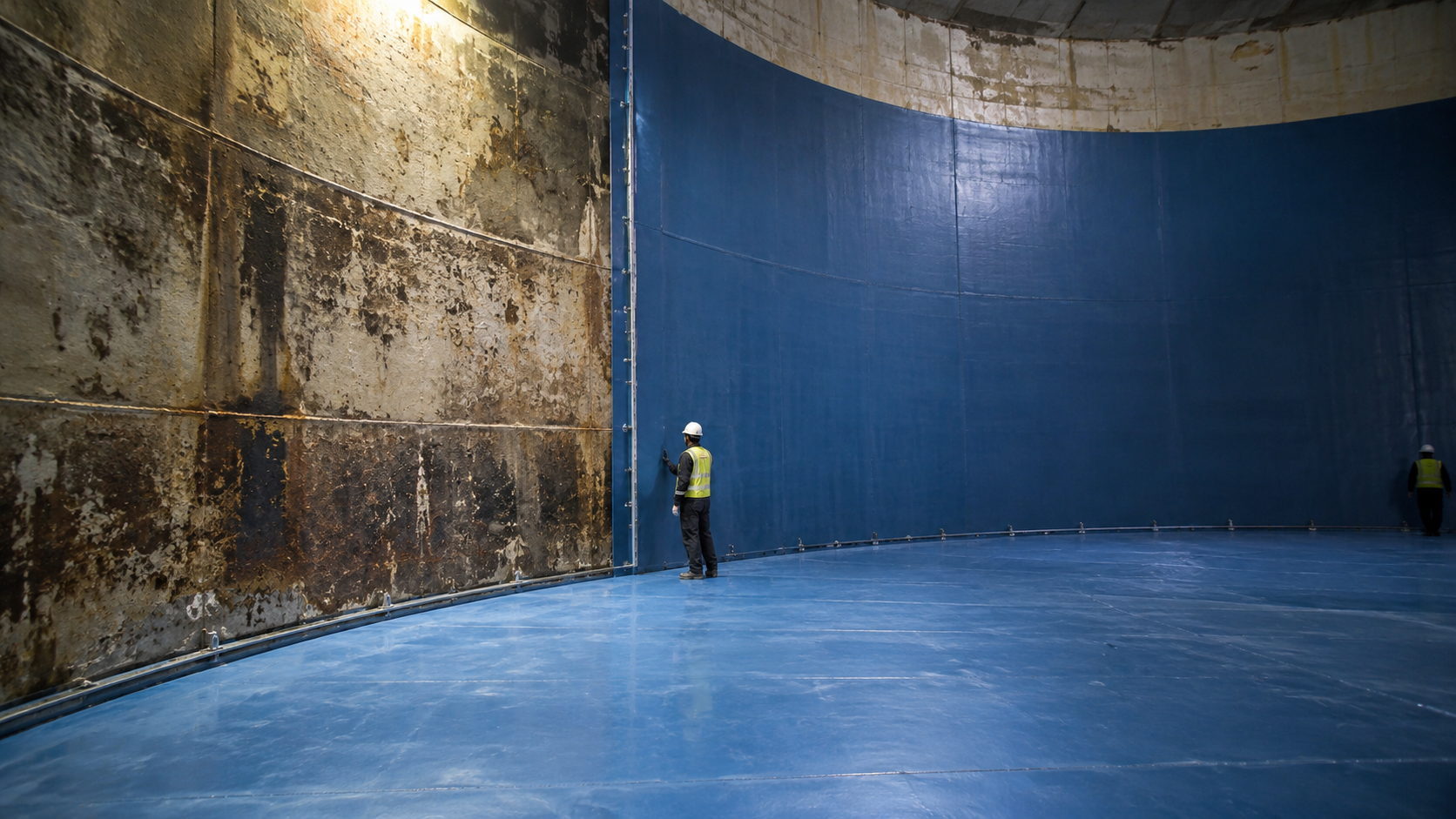
A river system that swings between flood and drought within the same region demands storage planning that accounts for both ends of that range — not a single average condition that neither extreme actually represents.
| Check | Why it matters locally |
|---|---|
| Tank siting and foundation assessed for local flood exposure | Riverside and low-lying Riverina properties can carry genuine flood risk |
| Storage sized against actual agricultural demand pattern | Irrigation and stock watering demand differ significantly from urban commercial use |
| Bore water chemistry factored into material specification | Groundwater quality varies and can affect coating or liner longevity |
| Condition inspection maintained despite remote or rural access | Distance from service providers should not mean deferred inspection |
Should agricultural water tanks in the Riverina be sized differently to standard commercial tanks?
Generally yes — agricultural demand patterns, including irrigation timing and stock watering needs, differ significantly from standard commercial or residential use, and sizing should reflect the specific property's actual seasonal demand.
Does proximity to the Murrumbidgee affect tank siting decisions?
For properties with genuine flood exposure, yes — siting and foundation design should account for realistic local flood risk, which can differ significantly even between properties in the same general area depending on elevation and proximity to the river.
Is bore water quality a common consideration for Riverina tank specification?
It can be, particularly for agricultural properties relying on groundwater — bore water chemistry varies by location and is worth factoring into material and coating decisions for both new installations and ongoing maintenance planning.
Planning or maintaining water storage on a Riverina property? Flood exposure and agricultural demand both deserve specific attention in the specification.
Discuss your Wagga Wagga region project