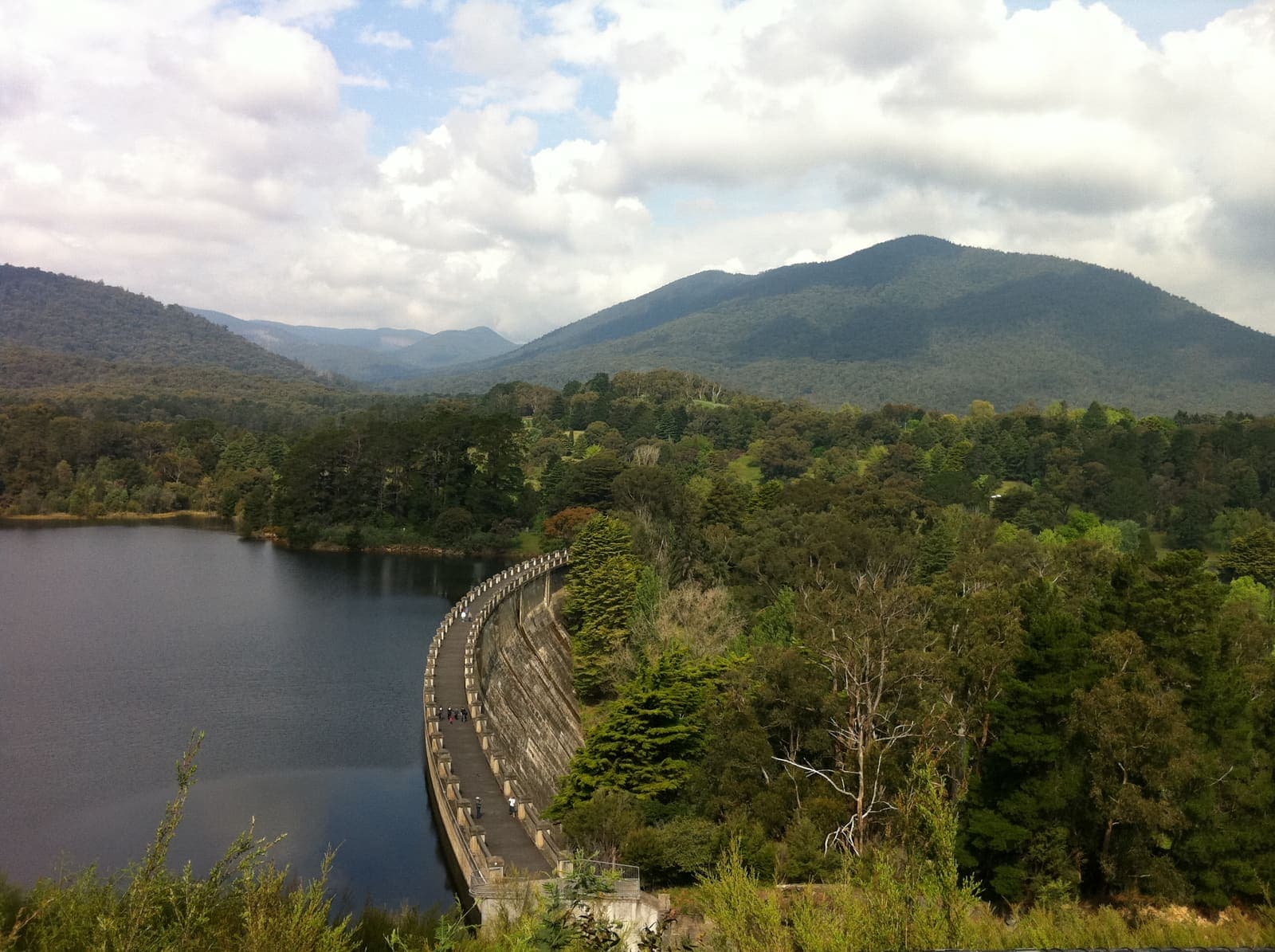
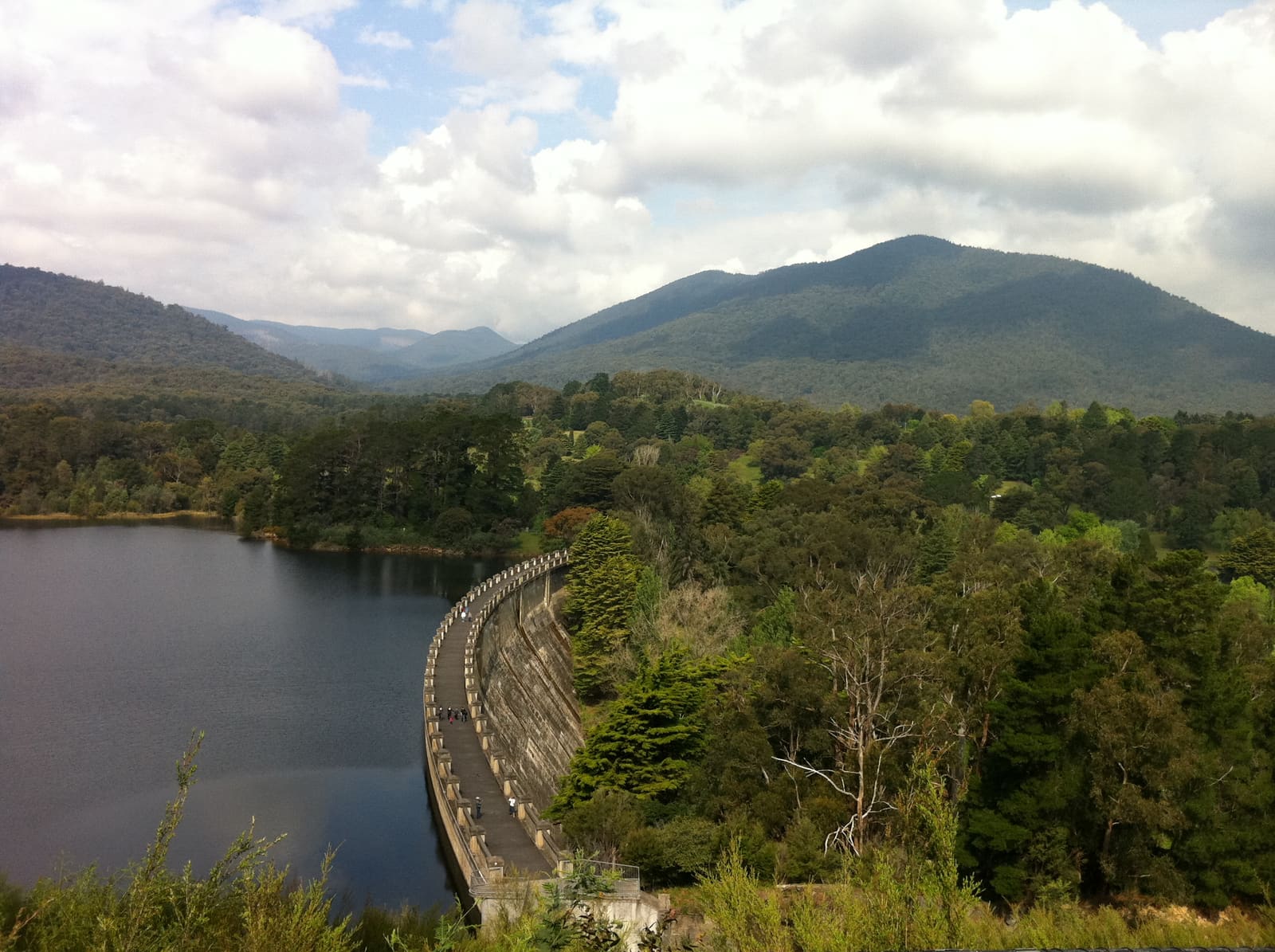
Melbourne's metropolitan water system draws on a network of catchments and reservoirs across the Yarra Ranges and beyond, supplemented by desalination capacity brought online following the Millennium Drought - a supply history that has left both the water authority and many large water users across the city with a heightened awareness of storage and demand management.
Victoria's industrial and commercial base is genuinely diverse - manufacturing, food and beverage processing, hospitality, and a substantial commercial property sector all draw on water storage infrastructure for different reasons, from fire protection compliance through to process water security for manufacturing operations that cannot tolerate supply interruption.
A genuinely diverse industrial and commercial base
From food and beverage processing in the western and northern suburbs through to hospitality and commercial precincts across the CBD and inner city, Melbourne water storage needs span an unusually wide range of sectors within one metropolitan area - fire protection, process water and potable storage requirements all look different depending on which part of this base a project sits within.
Fire protection compliance across established and growing precincts
Melbourne's mix of established industrial areas and rapidly growing outer suburban commercial and residential precincts means fire water storage compliance work spans both ageing infrastructure requiring assessment and upgrade, and new development requiring correctly specified storage from the outset.
Regional Victoria water security context
Beyond metropolitan Melbourne, regional Victorian centres and rural properties often rely on more localised supply arrangements, and water storage infrastructure across the state needs to reflect this more variable supply context rather than assuming metropolitan-level supply security applies uniformly across Victoria.
Cool-climate considerations for storage design
Victoria's cooler climate compared to much of the rest of Australia is a relevant factor in tank design and material specification, particularly for elevated or exposed sites where temperature considerations affect construction and coating decisions.
Melbourne's water storage history through sustained drought pressure has left a lasting awareness among large water users of just how much a reliable storage strategy matters when supply security cannot be assumed.
| Consideration | Why it matters locally |
|---|---|
| Diverse industrial and commercial sector mix | Storage requirements vary significantly across sectors within one metro area |
| Established versus growth-area infrastructure | Both ageing asset upgrades and new development specification are active needs |
| Regional Victoria supply variability | Less consistent supply security than the metropolitan network |
| Cool-climate material specification | Relevant for exposed or elevated storage installations |
Does PC Water Infrastructure deliver projects in Melbourne and across Victoria?
Yes. We deliver water storage infrastructure across metropolitan Melbourne and regional Victoria, spanning industrial, commercial, hospitality and government sector projects.
Why is Melbourne water storage demand so varied across sectors?
Melbourne has a genuinely diverse industrial and commercial base - manufacturing, food and beverage processing, hospitality and commercial property - each with different water storage drivers, from fire compliance to process water security.
Do regional Victorian towns have different water security to metropolitan Melbourne?
Generally yes - regional centres and rural properties often rely on more localised supply arrangements with less of the diversified security the metropolitan network has built up, which affects how storage should be planned.
Planning water storage infrastructure in Melbourne or across Victoria? PC Water Infrastructure delivers metropolitan and regional projects across every sector.
Discuss a Melbourne Project