

As Australia's driest capital city, Adelaide has a genuinely long-standing relationship with rainwater tanks — not a recent trend, but a practical response to a climate and reservoir-dependent supply system that has always made local storage a sensible complement to the mains network.
Reservoir-dependent supply, variable rainfall
Adelaide's water supply draws significantly on a network of reservoirs, including catchments like the South Para system, and the region's variable and often low rainfall makes that reservoir-dependent supply genuinely sensitive to prolonged dry periods — a real, ongoing consideration for how much a property should rely on the mains alone versus supplementing with its own storage.
Rainwater harvesting as a genuine offset, not just a supplement
Given the climate context, rainwater harvesting in Adelaide is often specified as a meaningful offset to mains demand rather than a token gesture — which means sizing the system properly against actual roof catchment and household or commercial demand matters more here than in a climate with more reliable, evenly distributed rainfall.

For a property or business in greater Adelaide, this generally means treating rainwater tank sizing as a genuine engineering decision — matched to actual roof catchment area and realistic demand offset — rather than an arbitrary standard size, and separately considering whether a dedicated backup storage volume is warranted for supply continuity, distinct from the rainwater harvesting system's role in reducing mains reliance.
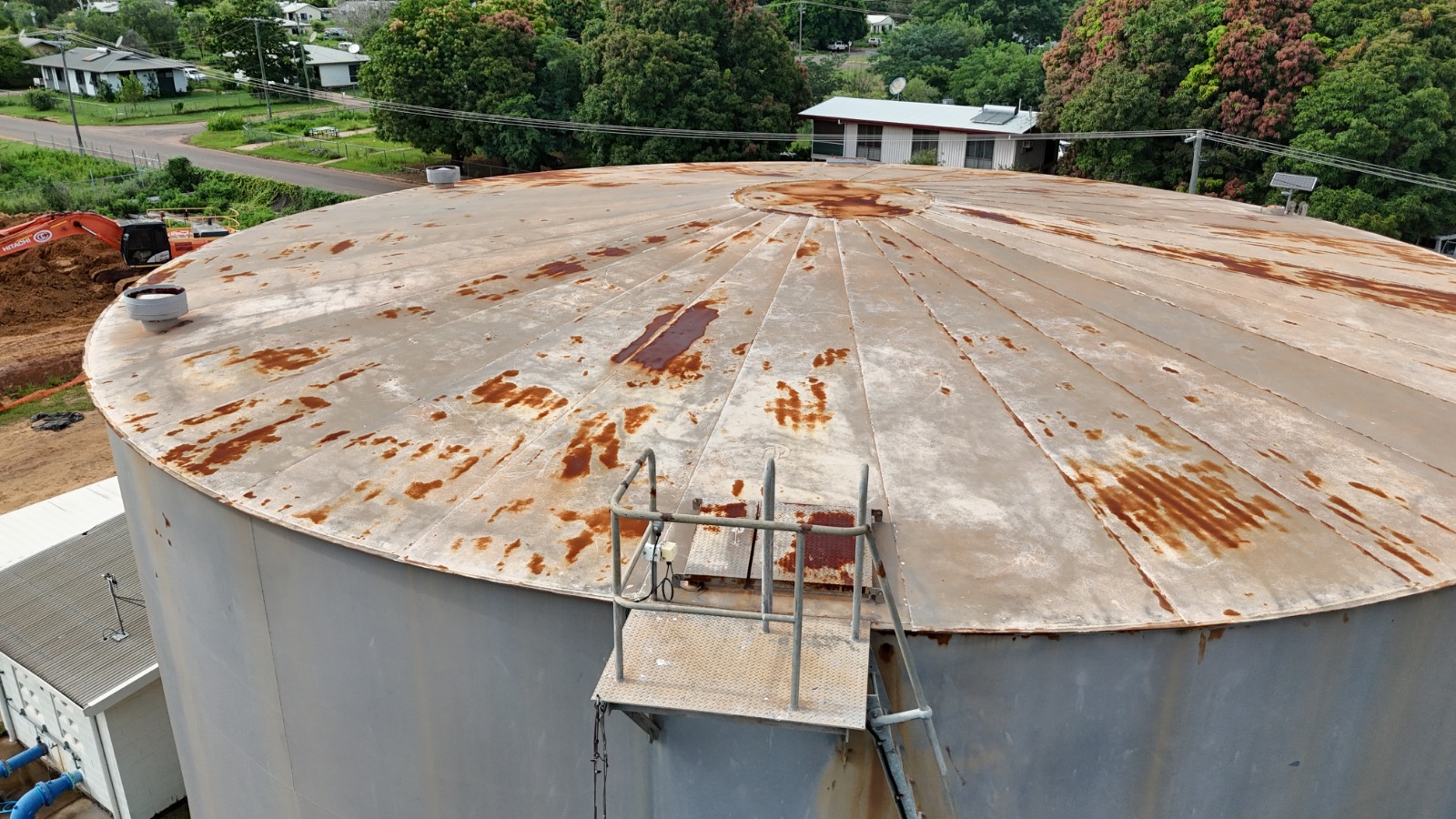
Adelaide's relationship with rainwater tanks reflects a real climate constraint, not a fashion. That means the sizing and specification deserve the same rigour as any other water security decision, not a default off-the-shelf approach.
| Check | Why it matters locally |
|---|---|
| Rainwater tank sizing matched to actual roof catchment and demand | Ensures the system delivers a genuine mains offset, not a token contribution |
| Whether dedicated backup storage is separately warranted | A distinct question from rainwater harvesting, addressing supply interruption risk |
| Tank condition and maintenance in a variable rainfall climate | Extended dry periods between fills can affect water quality if not properly managed |
| Fire compliance storage kept separate from general rainwater use | Prevents fire volume being unintentionally drawn down for domestic use |
Is a standard-sized rainwater tank adequate for most Adelaide properties?
Not necessarily — given Adelaide's variable rainfall, sizing based on actual roof catchment area and realistic demand offset tends to deliver a more meaningful result than a standard, arbitrarily-sized tank.
Does Adelaide's dry climate mean water sitting longer in a tank is a bigger concern?
Extended periods between significant rainfall can mean stored water sits longer before replenishment, which is worth factoring into maintenance and water quality monitoring, particularly for tanks relied on as a meaningful supply offset rather than an occasional top-up.
Should a business in Adelaide consider backup storage separate from rainwater harvesting?
It is worth assessing separately — rainwater harvesting addresses mains demand offset, while backup storage addresses supply interruption risk, and a property may benefit from one, both, or neither depending on its specific requirements.
Planning rainwater harvesting or backup storage for an Adelaide property? Getting the sizing right against the region's actual climate makes the difference.
Discuss your Adelaide region project