
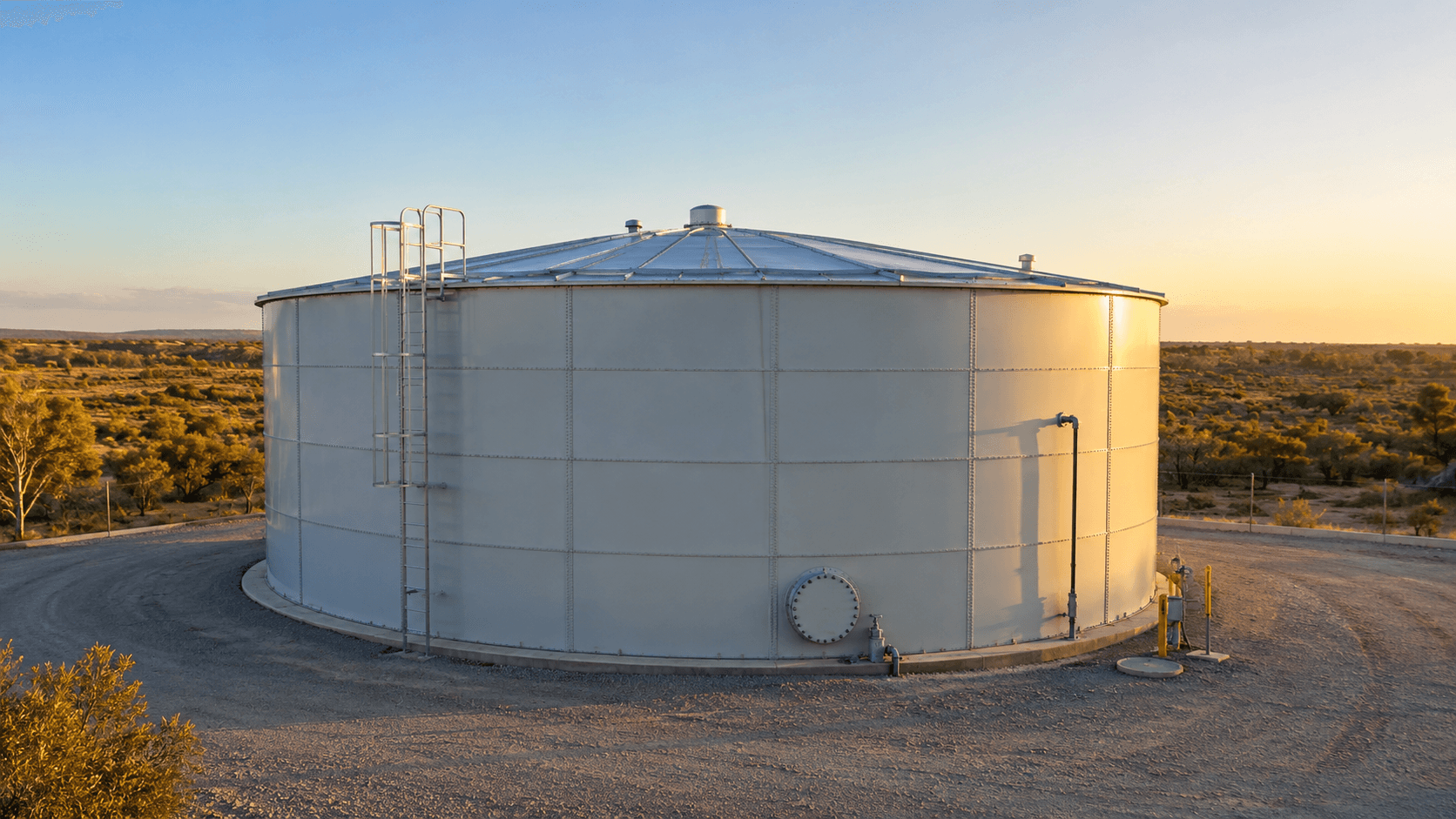
A tank being taken out of service is often the least-planned event in its entire life cycle. Design, installation and maintenance are usually well documented; decommissioning is too often treated as "drain it and pull it out" — which is exactly how avoidable contamination, safety and disposal problems occur.
Residual sediment and water quality hazards
Years of accumulated sediment, and any residual disinfection chemicals, need to be identified, sampled where appropriate, and disposed of correctly — not simply flushed to stormwater or left in situ on the assumption that an empty tank is a clean tank.
Structural and confined space hazards during removal
A tank being decommissioned is still, until the moment it is fully removed, a structure with confined space characteristics and potential structural instability once cutting or dismantling begins. Decommissioning work needs the same safety planning as any other confined space or demolition task — it is not exempt because the tank is "finished."
Site remediation once the tank is gone
Removing the tank often reveals the condition of the pad, foundation and surrounding ground beneath it — including any contamination from historical leaks, or ground conditions that need remediation before the site can be repurposed. Assuming the site is clear simply because the tank is gone can leave a genuine problem unaddressed.
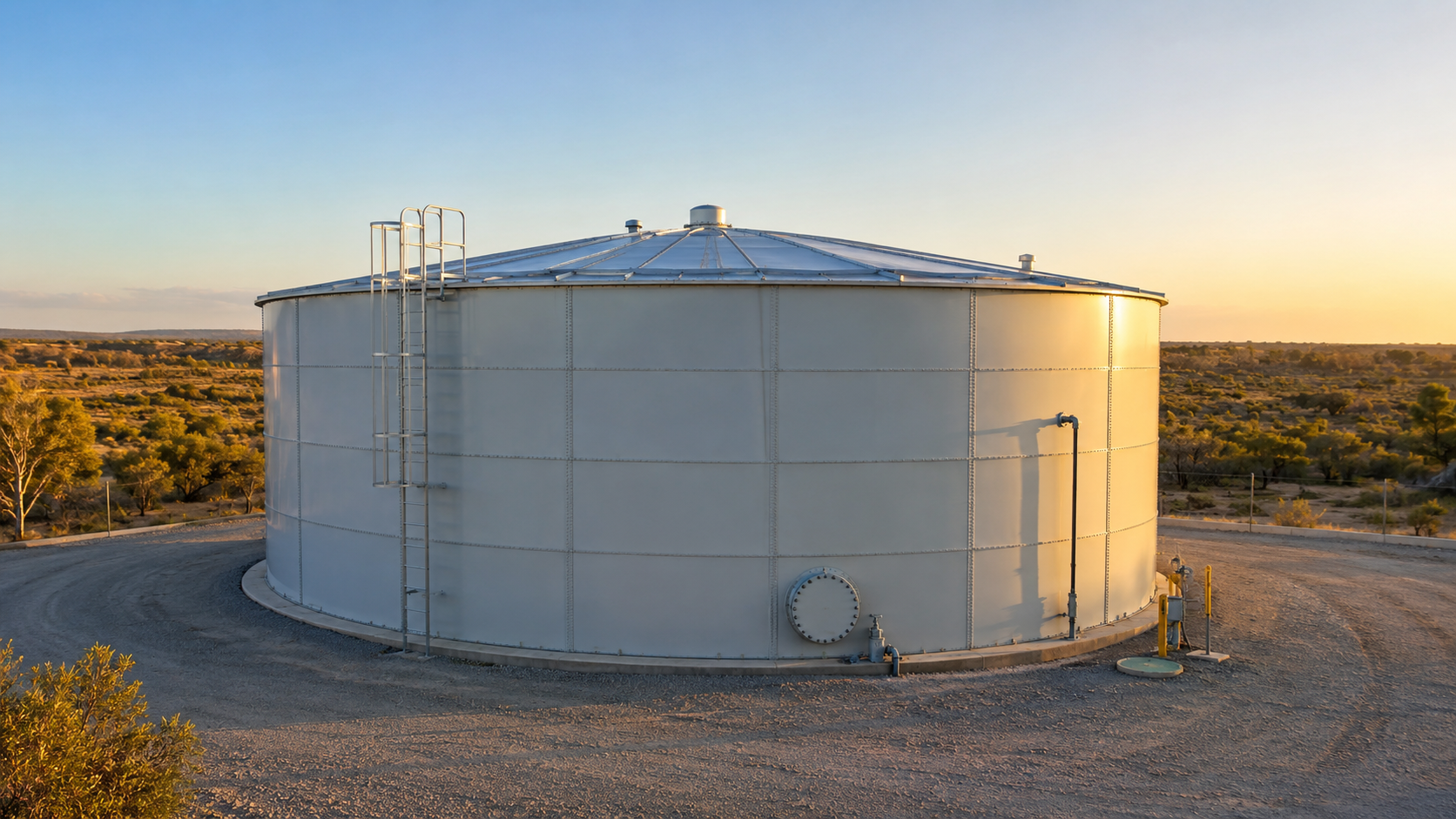
Where an old tank is being replaced by a new one on the same site, it is tempting to treat the old tank's removal as a simple logistics step ahead of the new installation. The ground beneath the old tank is exactly where the new tank's foundation will need to perform — so any contamination, settlement or structural issue revealed during decommissioning is directly relevant to the new installation's success, not just historical housekeeping.
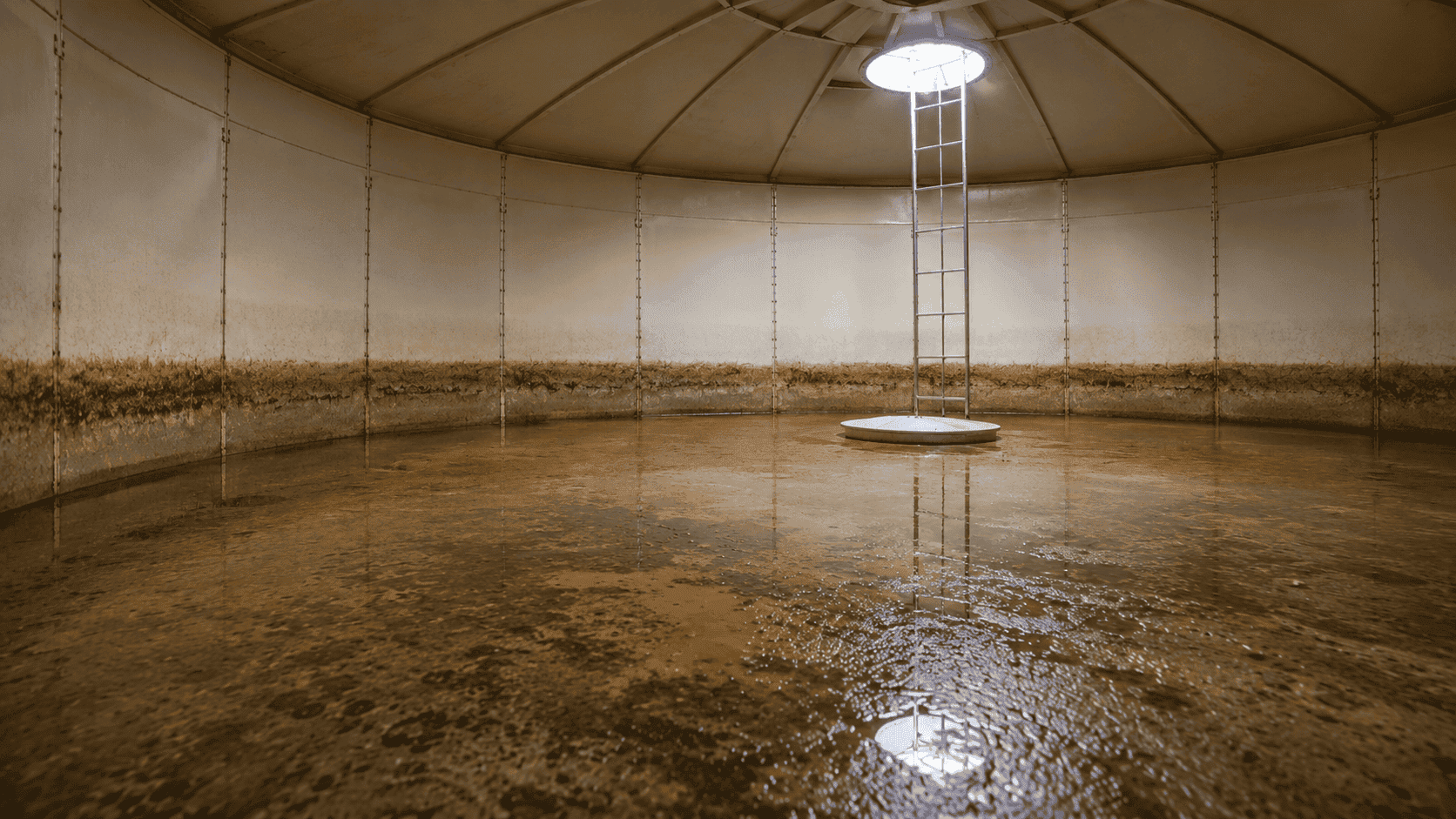
A tank's decommissioning is the last chance to manage its accumulated history responsibly — the sediment, the residual chemicals, the ground beneath it. Skipping that step does not make the history disappear; it just defers the problem to whoever inherits the site next.
| Step | Why it matters |
|---|---|
| Characterise and properly dispose of residual sediment | Prevents contamination from years of accumulated deposits |
| Apply confined space and demolition safety planning | The tank remains hazardous until fully and safely removed |
| Inspect the foundation and ground once the tank is removed | Reveals settlement or contamination that needs remediation |
| Confirm disposal pathway for tank materials | Steel, concrete and liner materials may have different disposal requirements |
| Document the decommissioning for site records | Supports future site history and any subsequent land use planning |
Do I need a specialist to decommission a water tank, or can it just be drained and demolished?
Proper decommissioning involves characterising and disposing of residual contents correctly, managing confined space and structural hazards during removal, and assessing the site once the tank is gone — tasks that benefit from the same expertise used to install or maintain the tank, not a general demolition approach alone.
Is site remediation always needed after removing an old tank?
Not always, but it should always be checked. Foundation settlement or historical contamination beneath a tank is not visible until the tank is removed, and confirming ground condition at that point protects both the site's future use and any new installation planned for the same location.
What happens to the sediment removed during tank decommissioning?
It needs to be characterised and disposed of through an appropriate, compliant pathway — the same consideration that applies to sediment removed during a routine tank clean, just at a larger, one-off scale for a full decommissioning.
Planning to decommission or replace an ageing tank? Proper decommissioning protects the site for whatever comes next.
Discuss tank decommissioning