
Every tank clean produces two outputs: a clean tank, and a pile of waste that needs to go somewhere. The second part is often the more complicated one - and the part most asset owners never think to ask about.
Where the sediment and contaminated water end up affects cost, compliance, and the environment - in ways that sit with the asset owner even when a contractor is doing the work.
Over-the-wall pumping
Industrial pumps draw wastewater and sediment through hoses inside the tank and discharge over the wall to ground level. Works universally, but the pump works against the full head of the wall - which affects flow rate on taller structures.
Scour penetration discharge
Where a scour pipe exists at the tank base, a fitted cover plate converts it into a suction connection. Waste exits through the scour line - no vertical lift, faster extraction. The constraint: the discharge destination is fixed by where the scour normally drains.
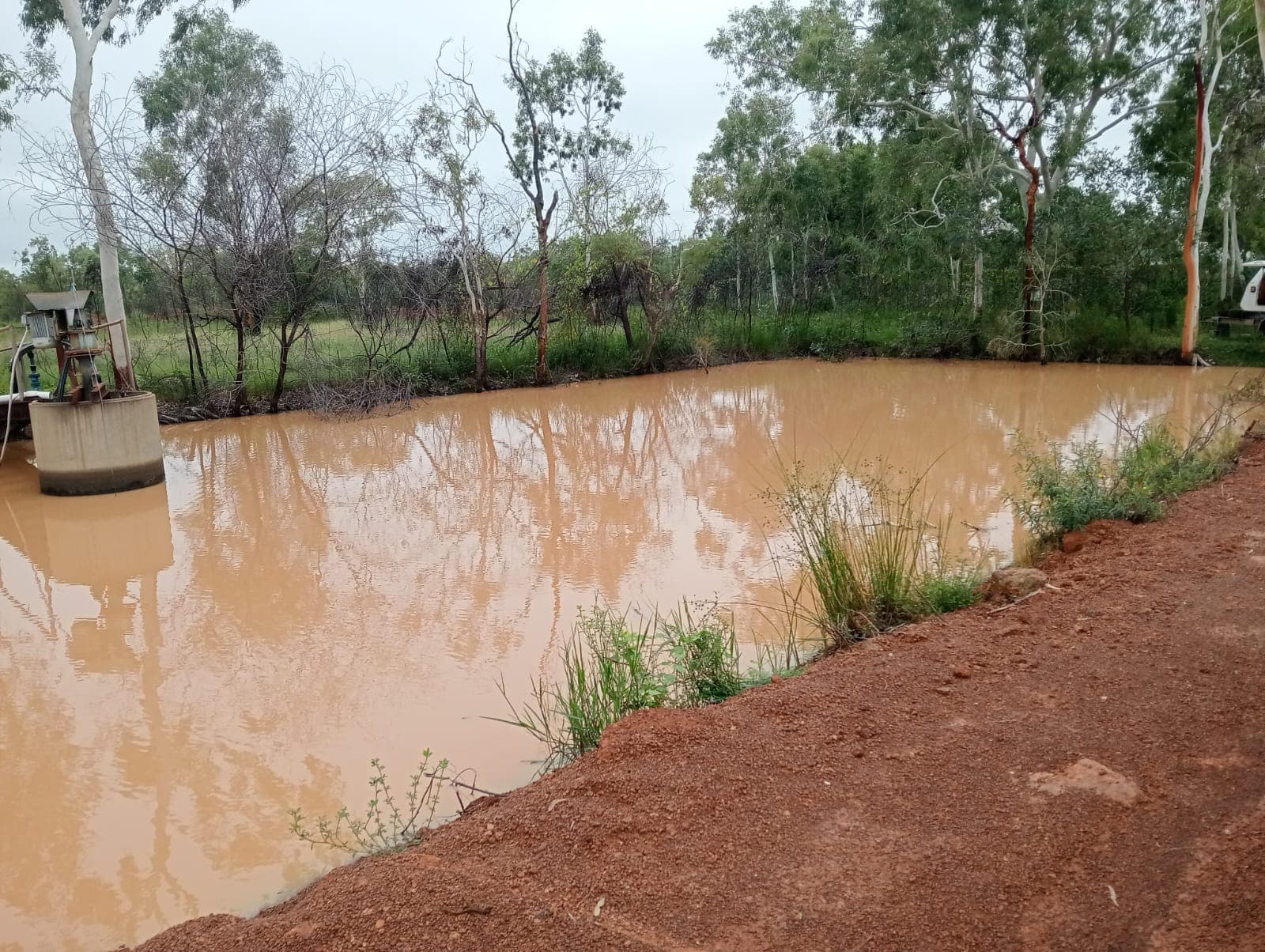
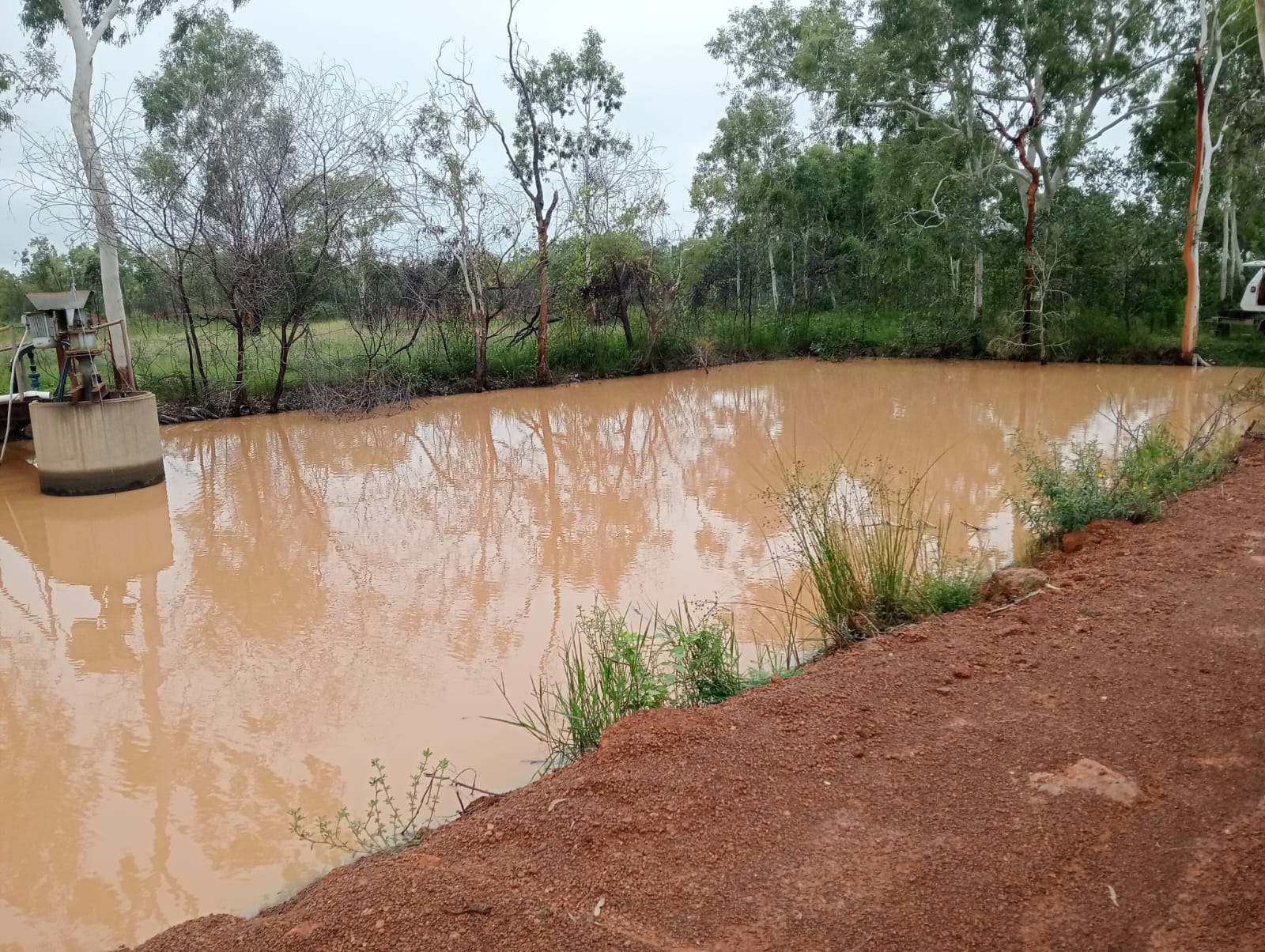
Controlled ground discharge (coffer dam)
Standard on rural and remote sites with no sewer connection. A hay bale or sand berm captures discharge and prevents uncontrolled flow. Residual chlorine dissipates rapidly in soil - but confirm with your state environmental authority before assuming a permit exemption. Discharging to stormwater without an explicit permit is an environmental offence in every Australian state and territory.
Direct sewer discharge
Urban sites discharge via pump to a reticulated sewer - the cleanest option environmentally. Requires a current trade waste approval from the relevant water utility before the job starts. Confirm the approval number in writing before work commences, not after a spill.
Mobile tankers
Used when neither option above is viable. Tankers carry waste to a licensed facility - the most expensive route. See the cost section below.
Dedicated sediment ponds
Purpose-built waste ponds at larger water authority sites eliminate road tanker movements and per-job approvals. Worth noting as a capital planning item if tank cleaning frequency justifies the investment.
A standard 25,000 litre semi tanker fills in approximately one hour of continuous vacuuming. Two tankers allow uninterrupted rotation when the round-trip is under 45 minutes. Beyond that, a third is needed - and vehicle hire, driver time, and disposal fees compound quickly. Get the full logistics plan and a cost breakdown before signing, not just a day rate.
| Confirmation item | Why it matters |
|---|---|
| Extraction method - over-wall pump or scour penetration | Determines equipment requirements, discharge destination, and hose logistics |
| Disposal method and discharge destination - confirmed in writing | Liability for illegal or unpermitted discharge defaults to the asset owner in most jurisdictions |
| Trade waste approval number (sewer discharge) | Required before discharge commences - not something to sort out after a blockage or spill |
| Environmental authority confirmation (ground discharge) | Some jurisdictions require documented site assessment or de-chlorination records even for rural sites |
| Full tanker logistics plan - number of vehicles, turnaround, destination, cost breakdown | Tanker costs are the main variable in total price - a day rate without logistics detail leaves cost open-ended |
| Liability allocation for spills or contamination at the discharge point | Contractual default often sits with the asset owner - confirm in writing before works commence |
What are the two main methods for removing waste from a water tank during cleaning?
The first method pumps wastewater and sediment out over the top of the tank wall to a ground-level discharge point. The second uses the existing scour pipe penetration in the tank base - a fitted cover plate converts this into a suction point for vacuum hoses, with waste exiting through the scour pipe to wherever it normally drains. The scour method avoids lifting waste over the wall, which simplifies hose logistics, but the discharge destination is fixed by the existing scour drainage.
Can tank cleaning wastewater be discharged to the stormwater system?
Not without an explicit permit. Discharging tank cleaning waste directly to stormwater is an environmental offence in every Australian state. Urban sites should use sewer discharge backed by a current trade waste approval from the relevant water utility. Rural and remote sites typically use a coffer dam for controlled ground discharge - but this should be confirmed with the state environmental authority before the job starts, not assumed.
Why can tankering waste offsite more than double the cost of a tank clean?
A standard 25,000 litre semi tanker fills in approximately one hour of continuous vacuuming. At least two tankers are required for uninterrupted operations - one filling on-site while the other is in transit to the discharge point. If the round-trip exceeds 45 minutes, a third tanker is needed to eliminate gaps in the operation. Vehicle hire, driver time, and disposal fees at a licensed sewer or treatment facility compound quickly on top of the baseline cleaning cost.
Is chlorinated tank wastewater harmful to the environment if it soaks into the ground?
Not significantly in most cases. Residual chlorine dissipates rapidly when mixed with organic sediment material and exposed to air - effective neutralisation typically occurs before water penetrates more than a few centimetres of natural soil. However, asset owners should confirm with their state environmental authority before assuming a permit exemption, as some jurisdictions require documented de-chlorination or site assessment records before approving ground discharge.
What should asset owners confirm with a cleaning contractor before signing a contract?
Confirm the extraction method (over-wall pump or scour penetration) and the disposal destination in writing. Verify that any sewer discharge is covered by a current trade waste approval. If tankers are used, get the full logistics plan - number of vehicles, estimated turnaround, and discharge destination - along with a cost breakdown, not just a day rate. Confirm who holds liability for spills or contamination at the discharge point. Under most state environmental protection legislation, this liability defaults to the asset owner if the contractor cannot produce the required approvals.
Before scheduling a tank clean, know what condition your asset is actually in. PC Water Infrastructure provides professional tank inspection and condition assessment - giving you the full picture before you brief any cleaning contractor.
Request a tank inspection