
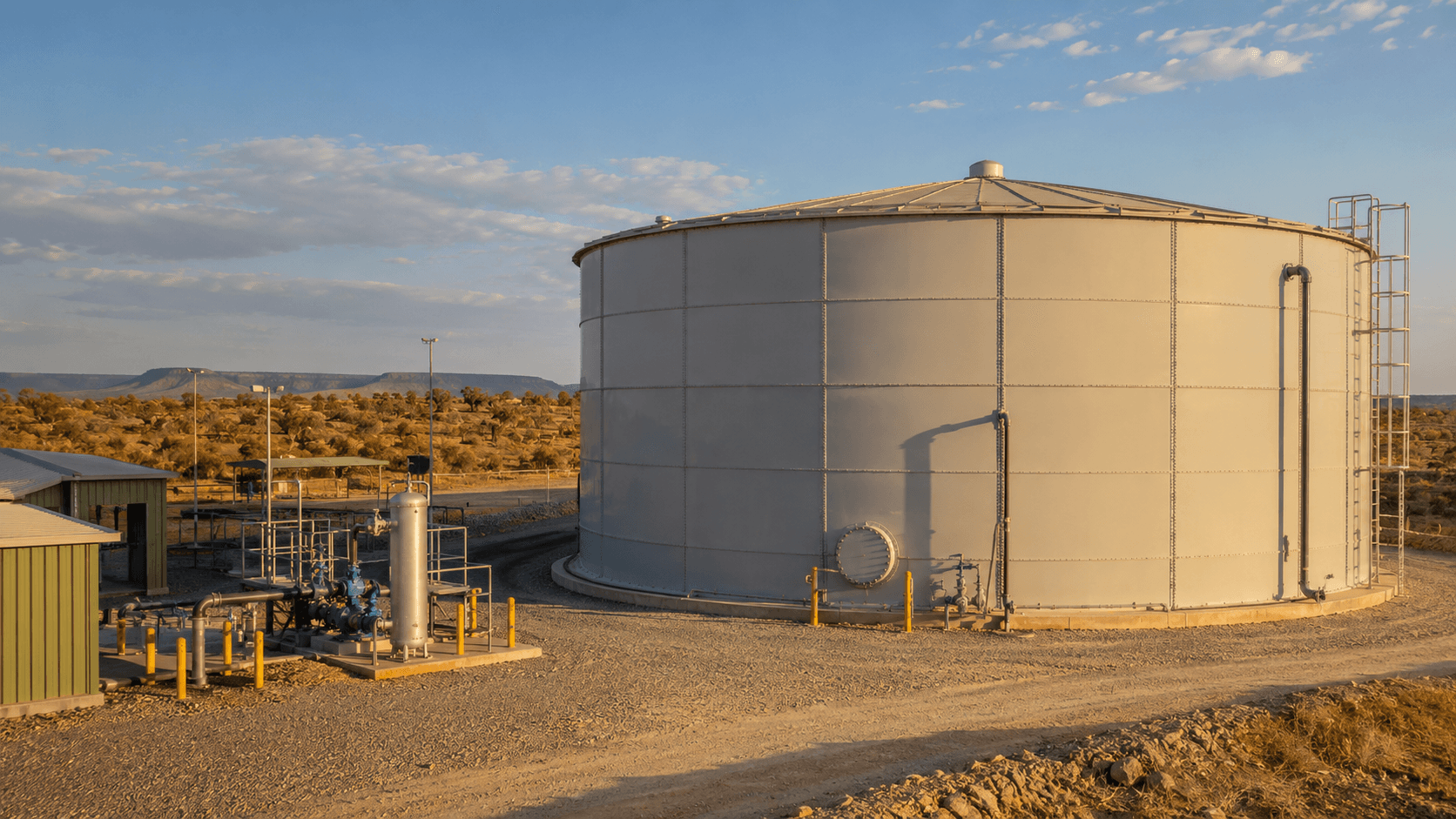
If iron and manganese show up in complaints, sample results, or visible discolouration, do not assume they came from the raw water or treatment plant.
Water storage tanks can generate or mobilise iron- and manganese-related deposits internally through corrosion, poor material selection, stagnant zones, disturbed floor sediment, and biological activity. That matters because the response is completely different depending on the true source.
If the metals are arriving with the water, the answer may sit in treatment performance. If the tank is generating or releasing them internally, the answer is inspection, cleaning, materials review, and correction of the operating conditions that allowed the deposit to form. The sediment story and the evidence story both point in the same direction: the tank is often part of the mechanism.
Iron and manganese sound like treatment words. Operators think about oxidation, filtration, and source water chemistry. Storage-side problems are easier to miss because a reservoir can look structurally acceptable from outside while still holding corroding internals, settled deposits, or low-turnover zones that periodically release colour into supply.
That is why "brown water" is not a diagnosis. It is only a symptom. The real question is whether the material is entering storage or being created there.
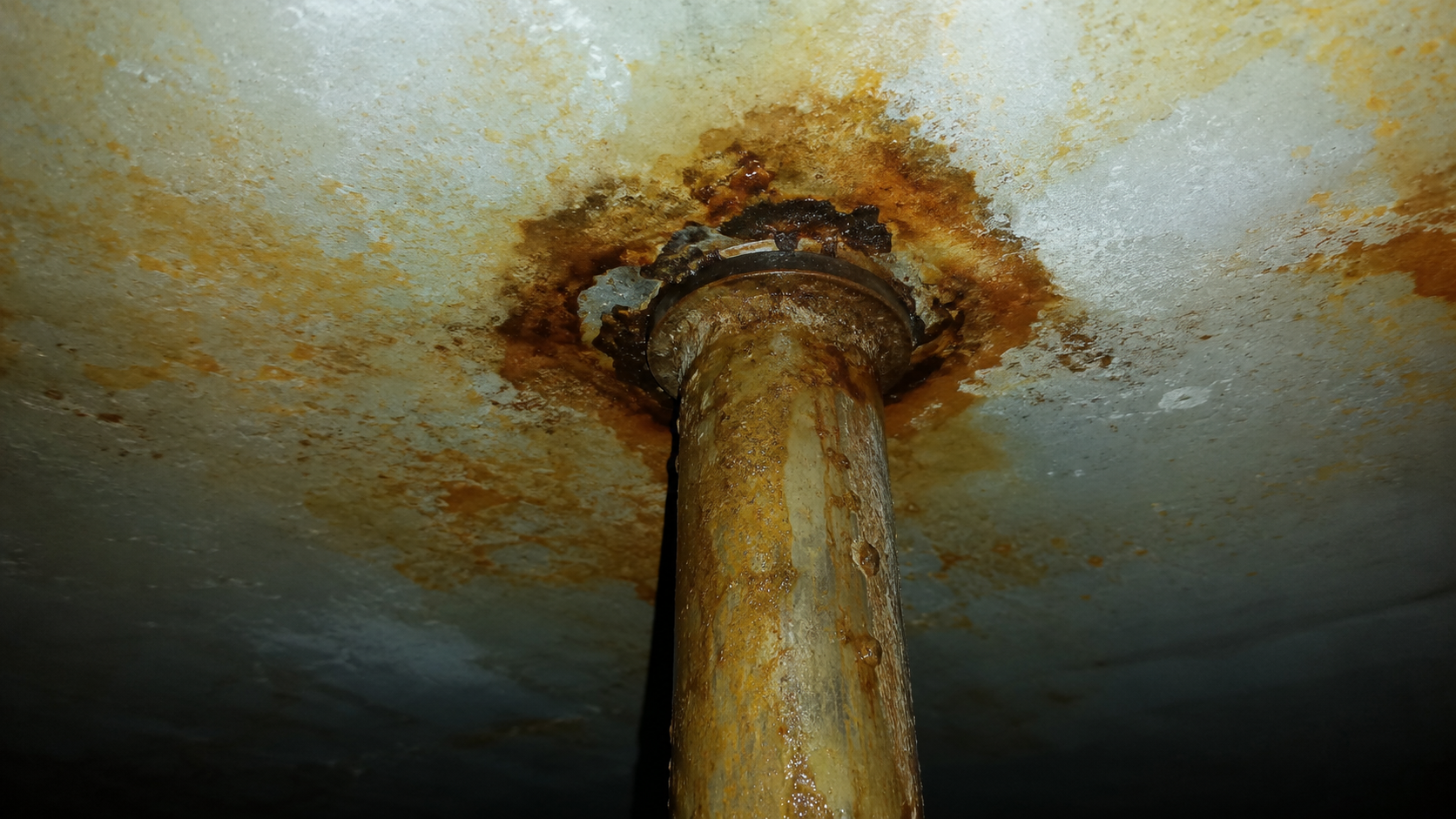
Corroding steel and submerged metalwork
Internal steel components, degraded coatings, and inappropriate permanently immersed fittings can shed corrosion product into the stored water. Once that process starts, the tank is no longer acting as a passive container.
Wrong material in the wrong duty
Some internals and screen arrangements are simply unsuited to permanent immersion. In potable service, immersed materials should be selected for corrosion performance and compliance with AS 4020, not just convenience or legacy practice.
Settled deposits that get remobilised
Iron- and manganese-rich sediment can sit quietly on the floor until water levels change, outlet hydraulics pull through a dead zone, or maintenance activity disturbs the deposit. That is why the complaint often appears suddenly even though the deposit has been there for a long time.
Stagnant zones and disinfectant loss
Poor turnover creates areas where oxidised material settles, chlorine residual falls, and biological processes become more active. In those zones, iron and manganese bacteria may contribute to slime, staining, and black deposits that look like source-water colour but are being sustained by the storage environment.
| Internal evidence | What it usually means | Why it changes the diagnosis |
|---|---|---|
| Orange-brown staining near corroding steel or fittings | Active iron-related corrosion inside the tank | Points to tank-generated contamination |
| Black soft deposits on the floor or in corners | Stagnant zones, biological activity, or metal-rich sediment | Suggests storage-side conditions are part of the problem |
| Deposits concentrated around outlet areas | Material is being mobilised into supply during drawdown | Explains intermittent complaints |
| Sediment banding and poor wall cleanliness | Weak cycling and repeated settling | Indicates the tank environment is enabling the build-up |
| Clear plant water but recurring complaints behind one tank | The problem is isolated to the storage asset | Narrows the root cause quickly |
When the same storage asset keeps sitting behind brown or black water complaints, the tank is no longer just the place where the evidence settles. It is part of the mechanism.
Check the floor deposits
Colour, texture, and distribution matter. A broad even dusting tells a different story from isolated black sludge or concentrated orange-brown deposits at fittings and low points.
Check submerged materials
Inspect outlet screens, bolts, brackets, ladders, pipe penetrations, and other immersed details for corrosion or poor specification. Materials that are acceptable above water are not automatically acceptable underwater for years.
Check turnover evidence
Wall banding, waterline staining, and signs that the tank is not drawing down properly support the conclusion that the hydraulic regime is helping the problem form and persist.
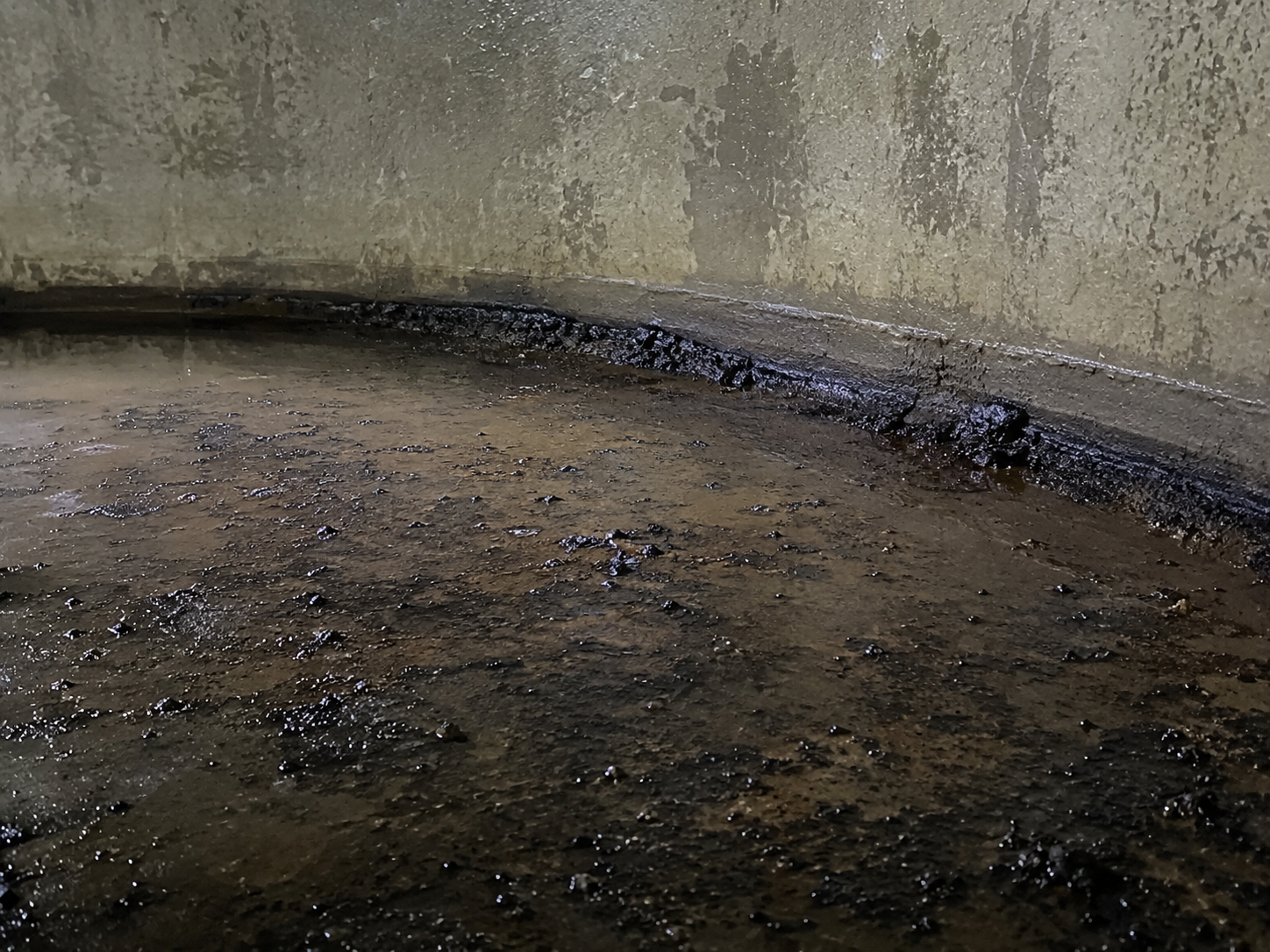
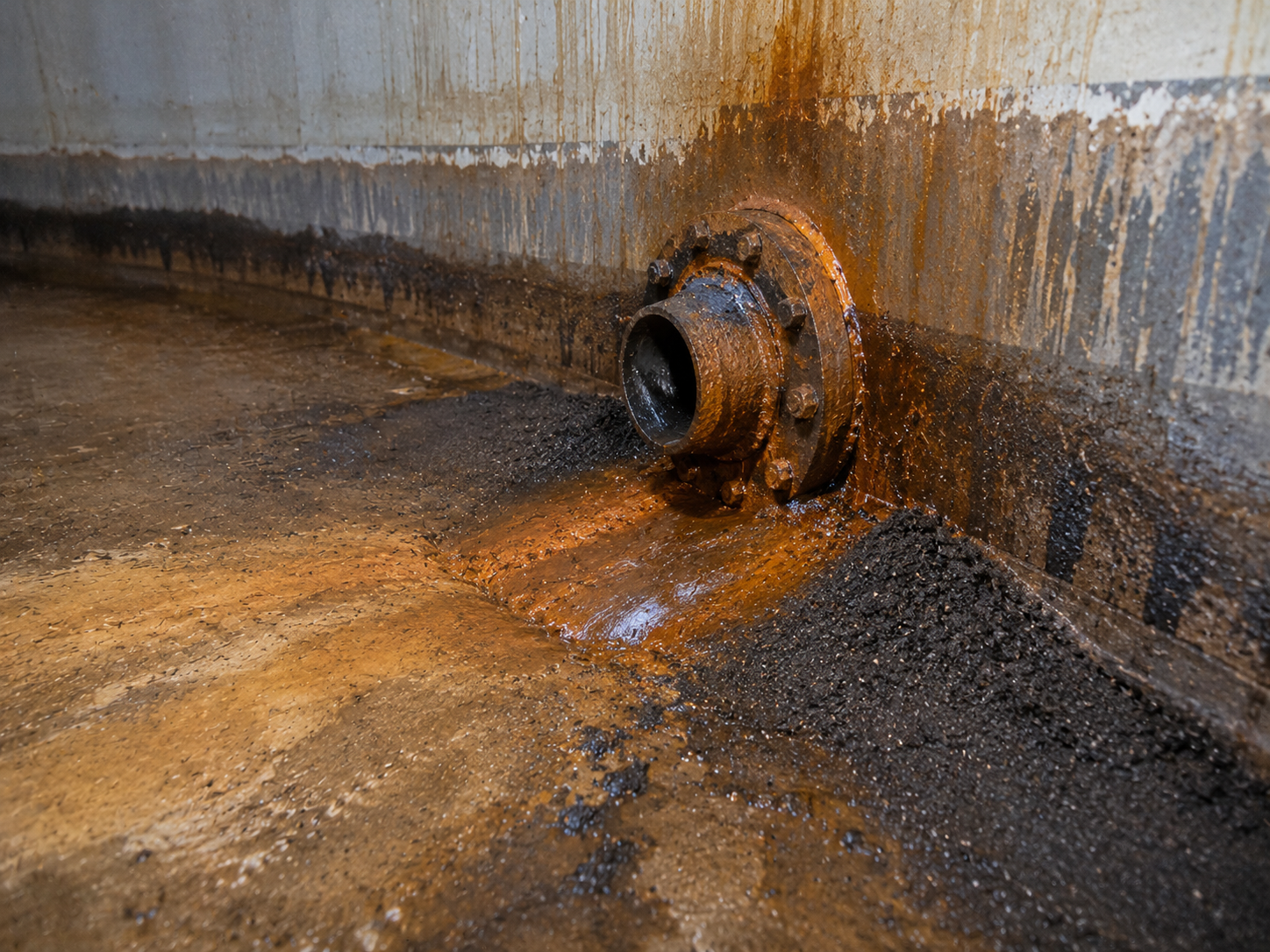
The right response is usually straightforward in sequence, even if the repair scope varies from tank to tank: clean and remove the deposit, inspect the exposed condition, replace or redesign any corroding immersed components, review turnover and operating levels, disinfect and flush the tank before returning it to service, then re-test after the correction rather than after the clean alone.
Treating the issue as a plant-only chemistry problem usually leaves the real source in service. Treating it as a cleaning-only problem removes the evidence but not the cause. The efficient path is to combine both cleaning and condition assessment while the tank is open and visible.
Can a water storage tank itself cause iron and manganese problems?
Yes. Corroding internals, poor material selection, settled deposits, stagnant zones, and biological activity can all cause iron- and manganese-related contamination to form or be released inside the tank after the water has entered storage.
How do you tell whether brown water is coming from the source or the tank?
Look for internal evidence and system pattern. If one specific tank sits behind recurring complaints, and internal inspection finds corroding fittings, black deposits, orange-brown sediment, or poor turnover evidence, the storage asset is likely part of the cause.
Can sediment on the tank floor release iron and manganese later?
Yes. Deposits can remain settled until water levels change, outlet hydraulics disturb them, or maintenance work mobilises them. That is why discolouration complaints often appear intermittent rather than constant.
Are galvanised components a risk inside potable water tanks?
They can be if they are permanently immersed or used in duties they were not suited for. In potable service, immersed materials should be selected for corrosion performance and compliance with AS 4020, not just convenience or legacy practice.
What is the best fix if the tank is the source?
The best fix is a combined clean and condition assessment, followed by replacement of corroding components and correction of the operating conditions that allowed the deposit to form. Disinfect and flush the tank before returning it to service, then re-test after the correction. Treating it as a plant-only issue usually leaves the real source in service.
If one storage asset keeps sitting behind brown or black water complaints, stop adjusting assumptions and inspect the tank itself.
Request an internal tank assessment