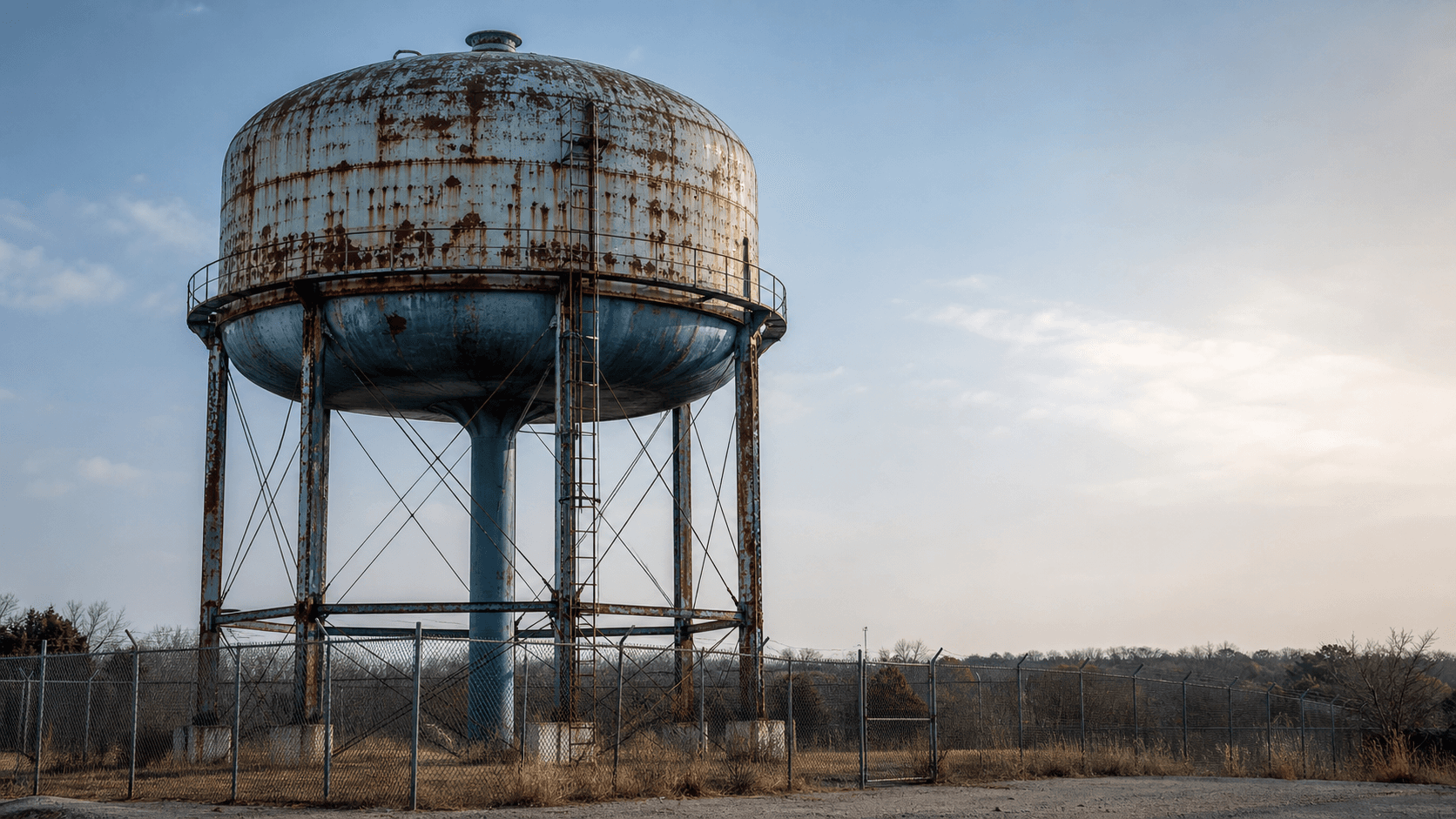
Most attention on a tank project goes to the shell — capacity, material, coating, corrosion protection. The base ring and anchor bolt system, where the tank actually connects to its foundation, gets comparatively little discussion despite carrying the entire structure load and, for many tank designs, providing the only resistance against wind or seismic overturning.
The base ring is the ring of steel plate at the bottom of the shell that distributes tank load onto the foundation and provides the connection point for anchor bolts where they are required. Anchor bolts, where specified, resist uplift and overturning forces — loads that try to lift or tip the tank rather than simply compress it downward, which become significant for tall, narrow, or lightly loaded (empty or partly empty) tanks under high wind or seismic conditions.
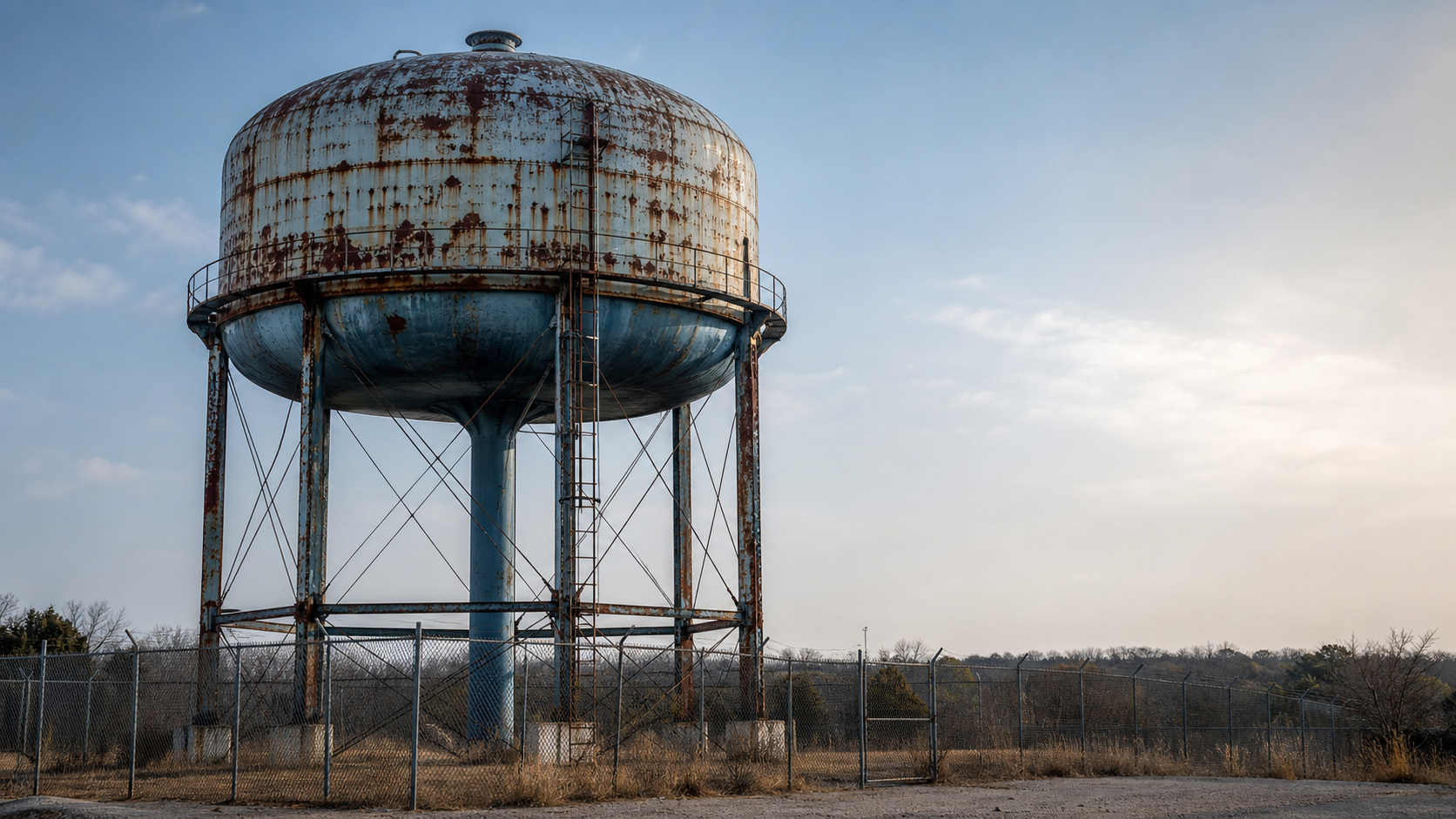
Anchorage is not always required — but the decision needs to be made deliberately
Not every tank needs anchor bolts; smaller, squatter tanks in low wind regions may resist overturning through self-weight alone, particularly when full. Taller, narrower tanks, tanks in high wind or seismic regions, and tanks that will regularly operate at low levels are far more likely to require anchoring. This is a calculation specific to the tank geometry and site conditions, not a default included or omitted based on general practice.
Bolt spacing, embedment and corrosion protection
Where anchor bolts are used, their number, spacing, diameter and embedment depth into the foundation are all derived from the calculated overturning and uplift forces — under-designed anchorage is a genuine structural risk, not just a conservative margin being trimmed. Anchor bolts are also a corrosion-vulnerable detail, sitting at the base of the tank where moisture, splash and ground contact all concentrate, so corrosion-resistant bolt material or protective sleeving is a real design consideration, not an afterthought.
Foundation and base ring design treated as separate problems
The base ring and the concrete foundation beneath it need to be designed together, with consistent assumptions about load distribution, bearing capacity and anchor bolt embedment. A structural engineer designing the tank shell and a civil engineer designing the foundation working from mismatched assumptions is a genuine and avoidable coordination failure — one that shows up as bolt misalignment, inadequate embedment, or bearing capacity issues discovered during construction rather than design.
Levelling tolerance gets underestimated
The base ring needs to sit on a foundation that is level and flat within a tight tolerance — an out-of-tolerance foundation can introduce stress concentrations into the base ring and lower shell courses that were never accounted for in the structural design. Foundation levelling should be checked and signed off against the specified tolerance before the tank is erected, not assumed adequate because the concrete pour looked reasonably flat.
The base ring and anchor bolt system is not a construction detail finalised on site — it is a structural design decision that determines whether the tank stays put under the worst wind or seismic event the site will ever see.
| Check | Why it matters |
|---|---|
| Anchorage requirement calculated, not assumed | Depends on tank geometry, site wind and seismic loading |
| Tank and foundation design coordinated on shared assumptions | Mismatched design assumptions cause on-site fit and bearing issues |
| Foundation levelling checked against specified tolerance | Out-of-tolerance foundations stress the base ring unpredictably |
| Anchor bolt corrosion protection specified | The base is a high-exposure location for moisture and ground contact |
Do all steel water tanks need anchor bolts?
No. The requirement depends on tank geometry, height-to-diameter ratio, and site wind and seismic loading. Shorter, wider tanks in low-wind regions may not require anchoring, while taller or narrower tanks, or those in higher wind or seismic areas, typically do. This should be confirmed by calculation for each specific tank and site.
Why is foundation levelling tolerance important for tank erection?
The base ring is designed to distribute load onto a level, flat foundation. A foundation outside the specified tolerance can introduce unplanned stress concentrations into the base ring and lower shell, effects the structural design did not account for. Levelling should be verified before erection begins.
Why do anchor bolts need special corrosion protection?
Anchor bolts sit at the tank base, an area exposed to ground moisture, splash and standing water — conditions that accelerate corrosion. Because they carry structural load, corrosion-related section loss is a genuine risk to overturning resistance, which is why corrosion-resistant materials or protective detailing are specified for this location.
Designing or reviewing a tank foundation and base connection? PC Water Infrastructure coordinates structural and civil design together from the start.
Discuss Foundation Design