
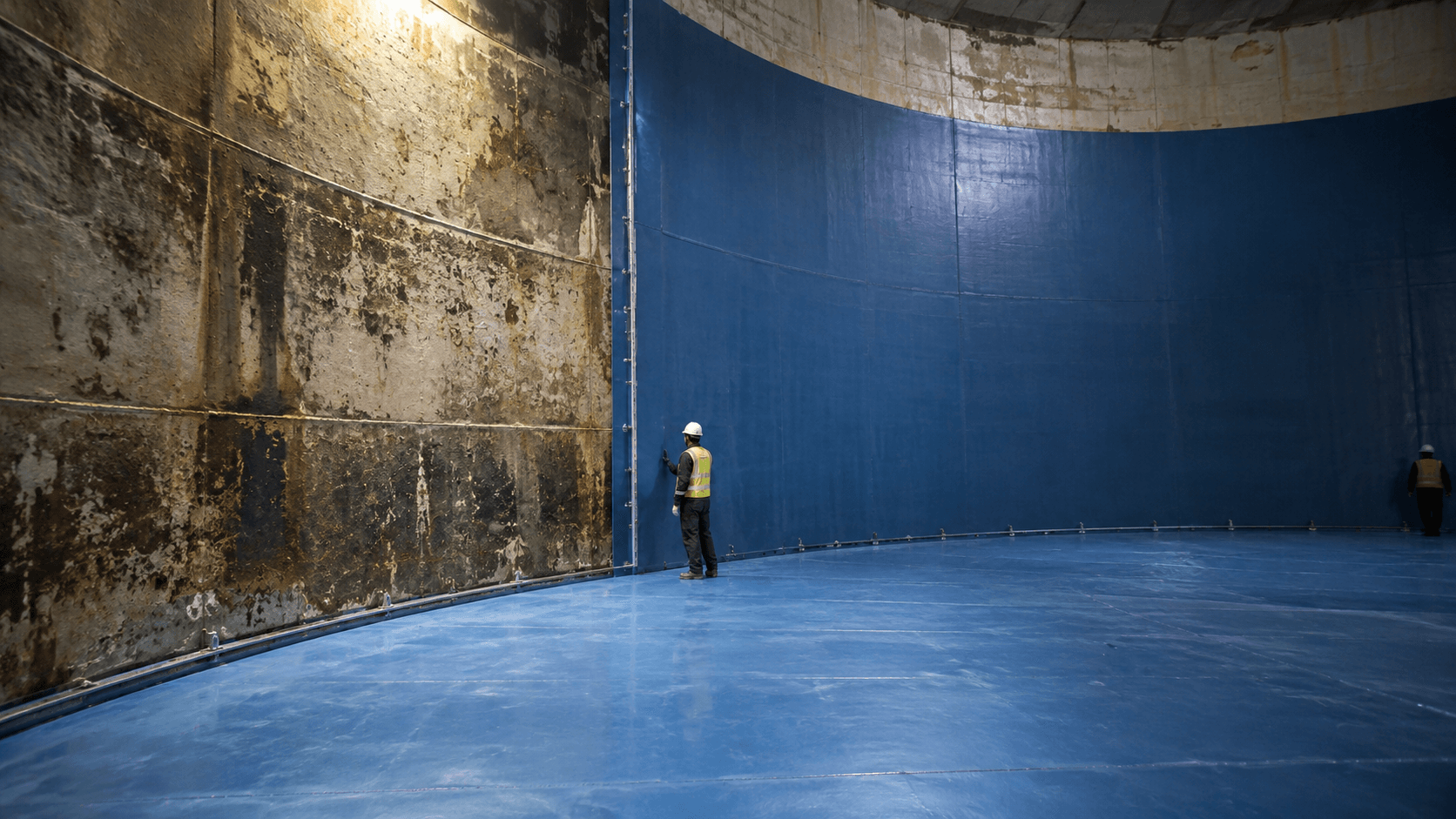
On a new commercial or industrial build, water storage competes for attention with structure, services and finishes that are visible to every stakeholder walking the site. It is rarely the most visible line item — and that is precisely why it is one of the most common areas to be under-specified until it becomes a late-stage problem.
Fire compliance sized late, not early
Fire water storage requirements are a function of the building's final use, hydrant demand and fire engineering — all of which can shift during design development. A tank sized against an early assumption, rather than confirmed fire engineering, risks needing to be re-sized once those numbers are locked in, sometimes after civil works are already underway.
Access and integration decided after the tank is already ordered
Craneage access, pipe penetrations, electrical and control integration, and future maintenance access are all far easier and cheaper to plan for at design stage than to retrofit once the tank is on site and other trades have already built around it.
Handover documentation treated as an afterthought
A tank installed without complete as-built records, warranty documentation and a clear maintenance schedule leaves the building owner starting their asset management from a blank page — exactly the kind of gap that shows up years later during a compliance audit.
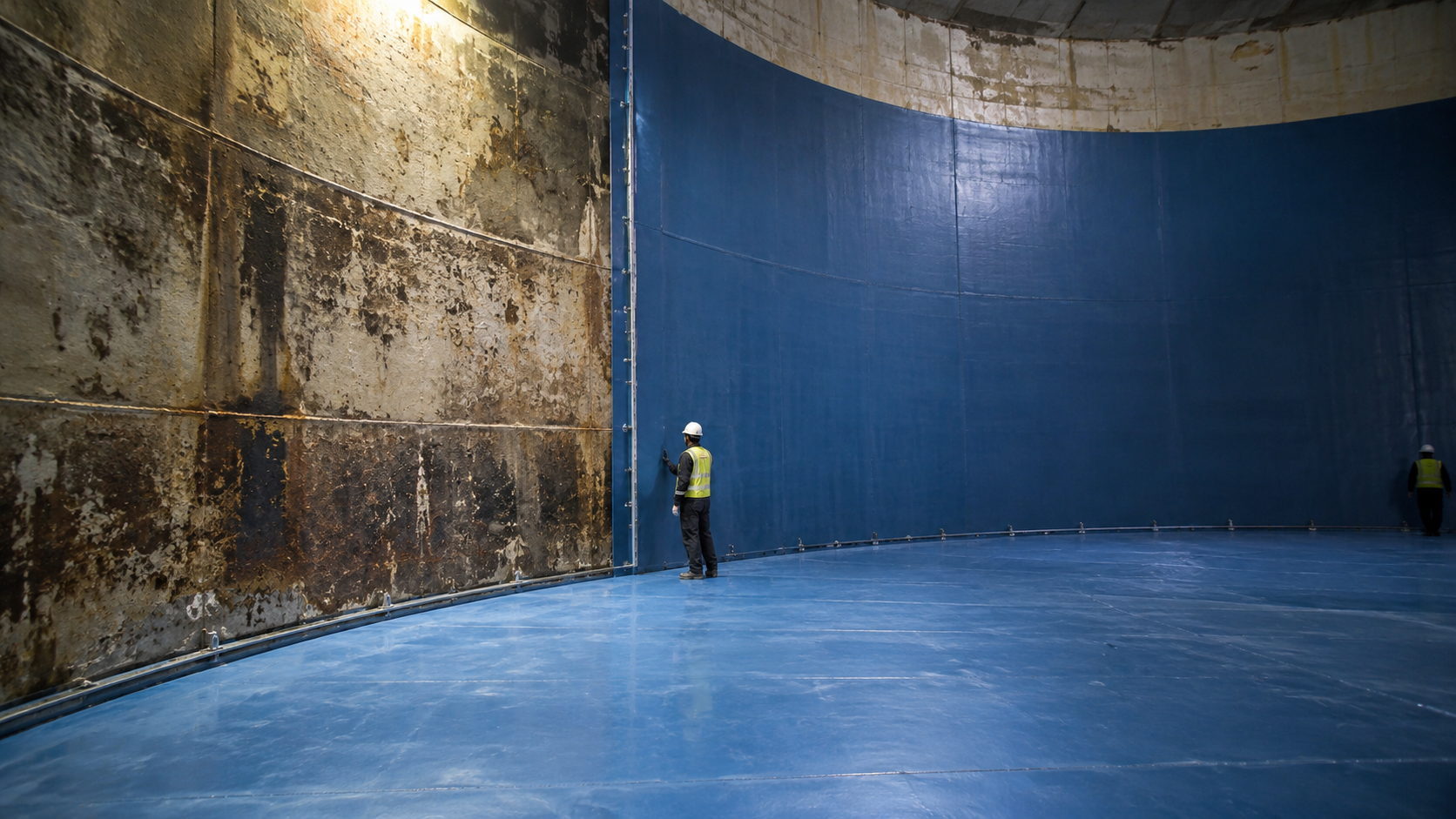
The builder-contractor relationships that work well share a pattern: water storage requirements are confirmed early against actual fire engineering and demand figures, access and integration are planned alongside other trades rather than after them, and complete documentation is handed over at practical completion — not chased down months later.
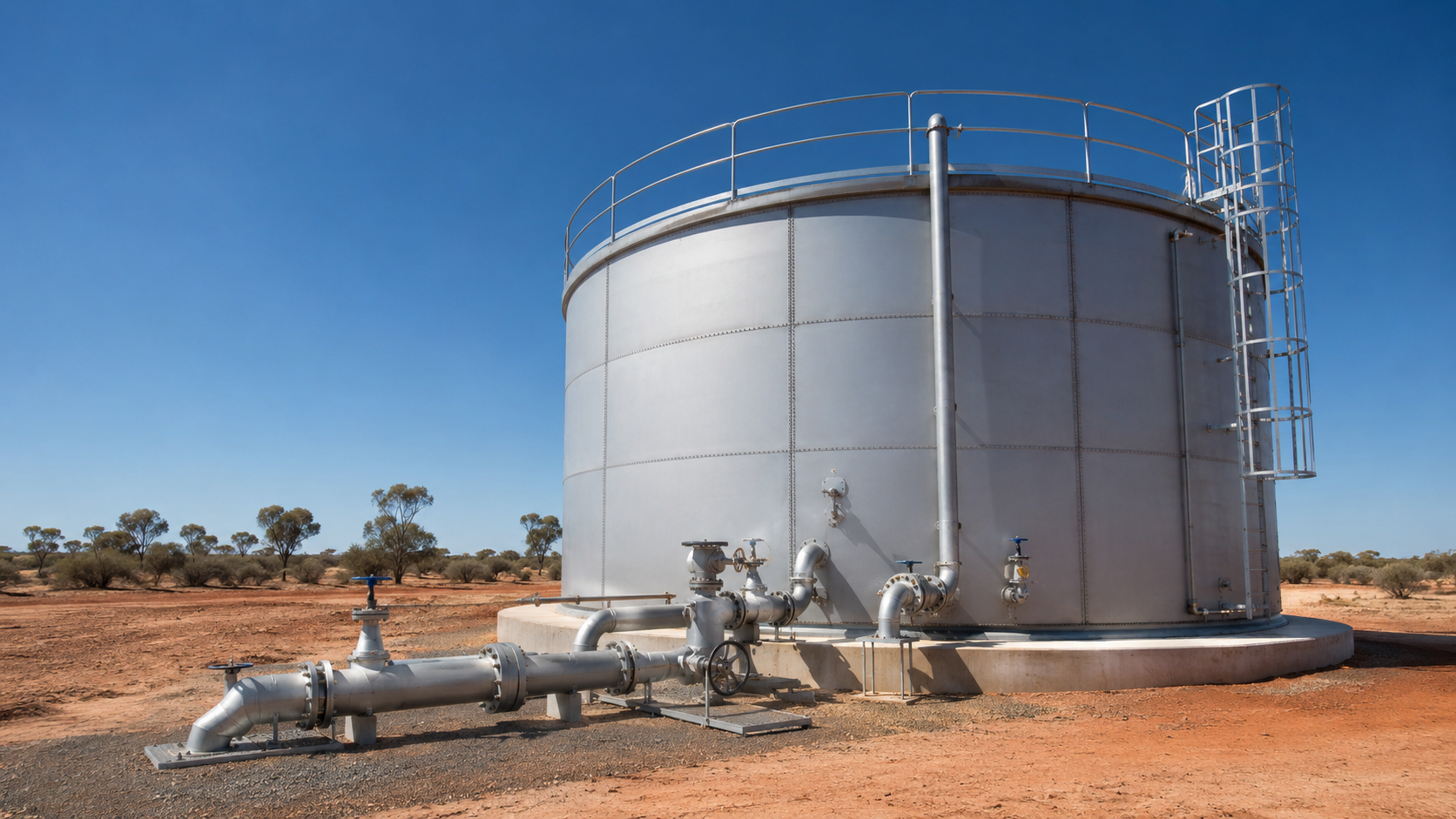
Water storage is infrastructure a building depends on for its entire operating life, sized against numbers that are usually finalised partway through design. Getting the sequencing and the specification right the first time is far cheaper than resizing or retrofitting later.
| Item | Why it needs to be settled early |
|---|---|
| Confirmed fire engineering demand figures | Tank sizing based on assumption risks late-stage resizing |
| Craneage and installation access sequencing | Coordinating with other trades avoids costly access conflicts |
| Pipe, electrical and control integration points | Cheaper to design in than retrofit after installation |
| Future maintenance access | A tank installed without service access creates an ongoing operating cost |
| As-built and warranty documentation plan | Should be scoped upfront, not chased after handover |
When should water storage be confirmed in a new build's program?
As early as fire engineering and demand figures allow — ideally during design development, well before civil works commence. Locking in tank sizing and access requirements early avoids the cost and delay of resizing or reworking access once other trades are already sequenced around it.
Who is responsible for handover documentation on a new tank installation?
This should be explicitly scoped in the contract rather than assumed. A clear expectation that as-built drawings, warranty information and a maintenance schedule will be provided at practical completion avoids the common gap where an owner is left chasing documentation after handover.
Can water storage requirements change significantly during a build?
Yes, particularly where fire engineering or the building's final use is still being finalised. This is exactly why early, ongoing coordination between the builder and the water infrastructure contractor matters — it allows sizing to be confirmed against final figures rather than early assumptions.
Planning water storage for a new build? Getting it integrated into the program early avoids the rework that comes from treating it as an afterthought.
Discuss your build project