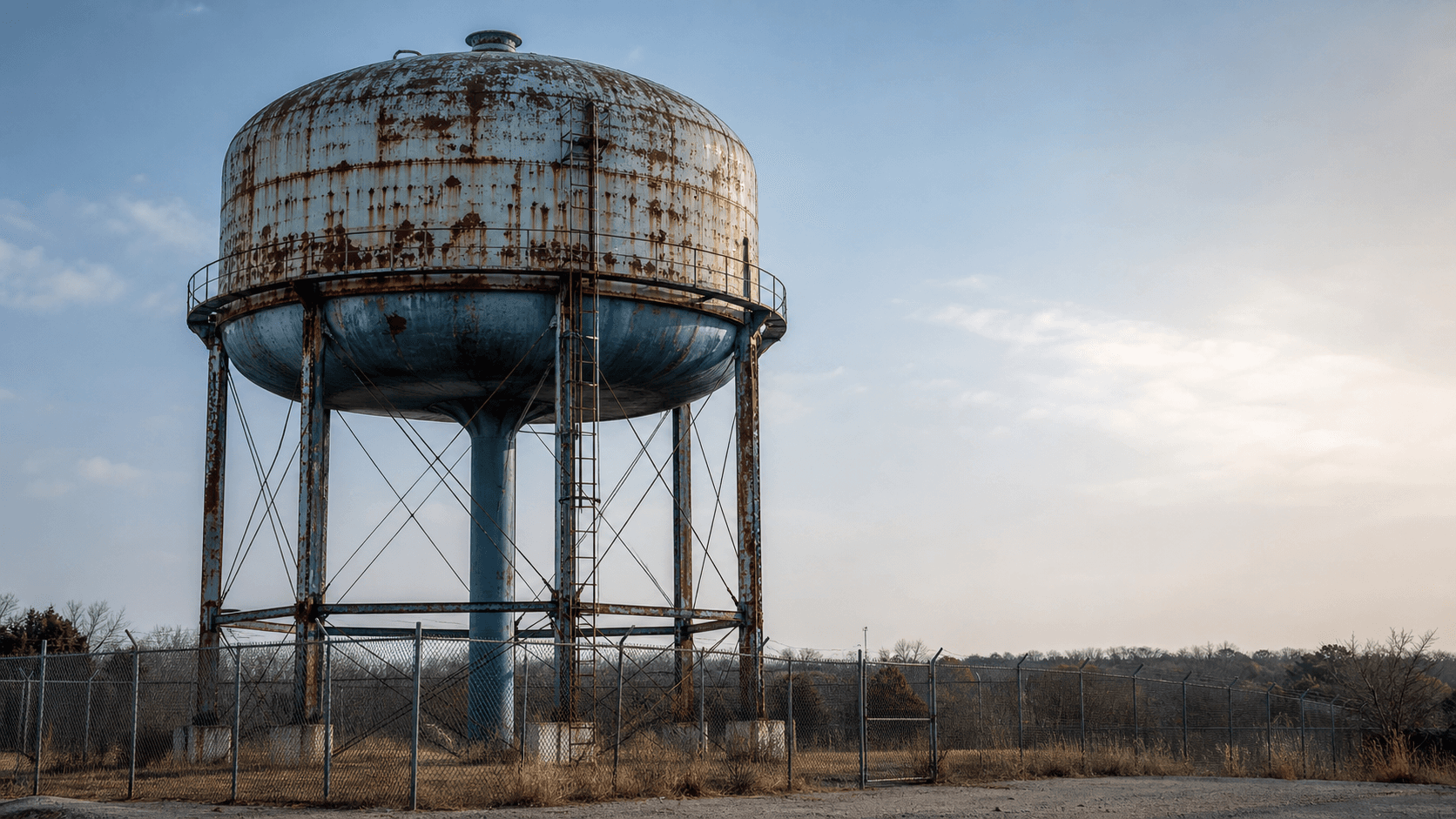
When a water tank fails and triggers property damage, business interruption or liability, the insurance claim that follows is rarely assessed on cause alone. Insurers and their loss adjusters look closely at whether the failure was foreseeable — and whether reasonable maintenance would have caught it first.
Was the defect something a routine inspection should have found?
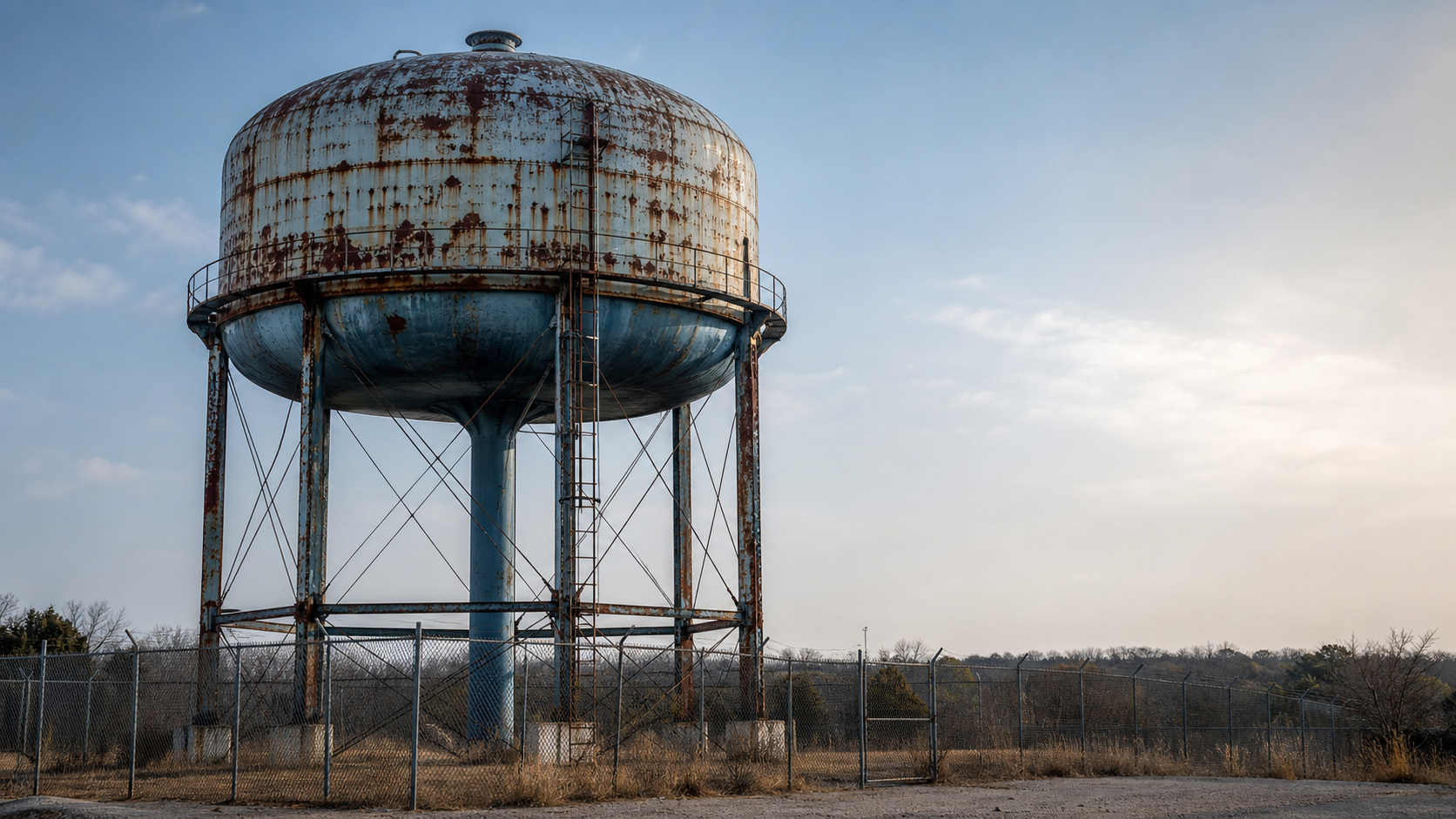
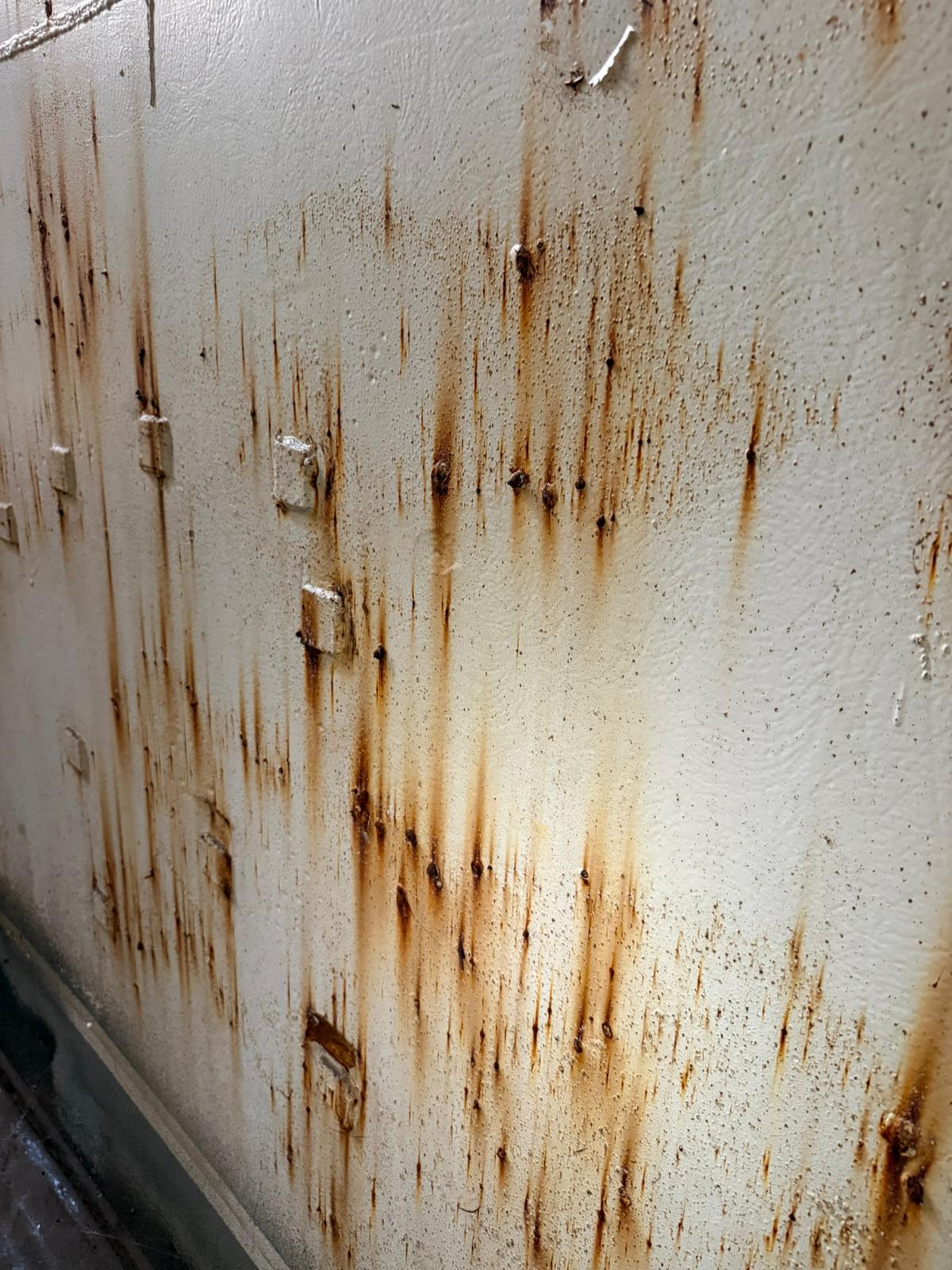
A sudden, genuinely unforeseeable failure is treated very differently to one that a documented, competent inspection regime would have identified in advance. If a failure traces back to a defect — advanced corrosion, a known coating failure, accumulated sediment affecting structural loading — that a routine inspection would reasonably have caught, insurers can and do argue the loss was foreseeable and preventable, affecting how the claim is assessed.
Maintenance history as the primary evidence
Loss adjusters typically request maintenance and inspection records early in a claim. A documented history of regular, competent inspection strongly supports the position that the failure was not a result of neglect. A gap in that history — or no records at all — puts the claimant in a materially weaker position, regardless of the actual cause of the failure.
The practical implication is straightforward: the inspection and maintenance regime that protects a tank's condition and compliance is the same regime that protects an insurance position if something does go wrong. Treating inspection as a compliance box-tick, rather than as an ongoing, well-documented practice, weakens both — and the gap is usually only discovered during a claim, when it is too late to fix.
An insurer is not asking "did the tank fail." They are asking "should this have been caught first." A documented inspection history is the only evidence that reliably answers that question in the asset owner's favour.
| Practice | Why it matters for a future claim |
|---|---|
| Maintain a documented, regular inspection schedule | The primary evidence that a failure was not foreseeable and preventable |
| Act on findings from inspection reports, not just file them | An unaddressed known defect can undermine a future claim significantly |
| Keep records for the tank's full service life, not just recent years | Long-term maintenance history strengthens the overall claim position |
| Confirm insurance policy conditions around maintenance | Some policies have explicit maintenance conditions attached to cover |
| Report and document incidents or near-misses promptly | Demonstrates active, ongoing asset management to any future assessor |
Can an insurance claim be refused because of poor tank maintenance?
It can be significantly weakened or disputed if the insurer or loss adjuster determines the failure was foreseeable and would have been caught by reasonable, documented inspection. This is one of the main reasons ongoing inspection records matter well beyond day-to-day compliance.
Does having a known, documented defect on record hurt an insurance claim?
Not necessarily — a documented defect that was appropriately assessed and had a managed response plan is very different, in an insurer's eyes, from an undocumented failure with no evidence it was ever identified. What matters is whether the response to a known finding was reasonable, not whether a defect existed at all.
Should insurance requirements influence how often a tank is inspected?
It is worth checking your policy's specific conditions, but generally, an inspection regime that meets good asset management practice will also meet or exceed what most insurers expect to see. Building the inspection schedule around actual risk and compliance requirements is a sound approach either way.
Want your maintenance program to actually protect your insurance position, not just your compliance obligations? We can help build a documented inspection regime that does both.
Discuss your inspection program