
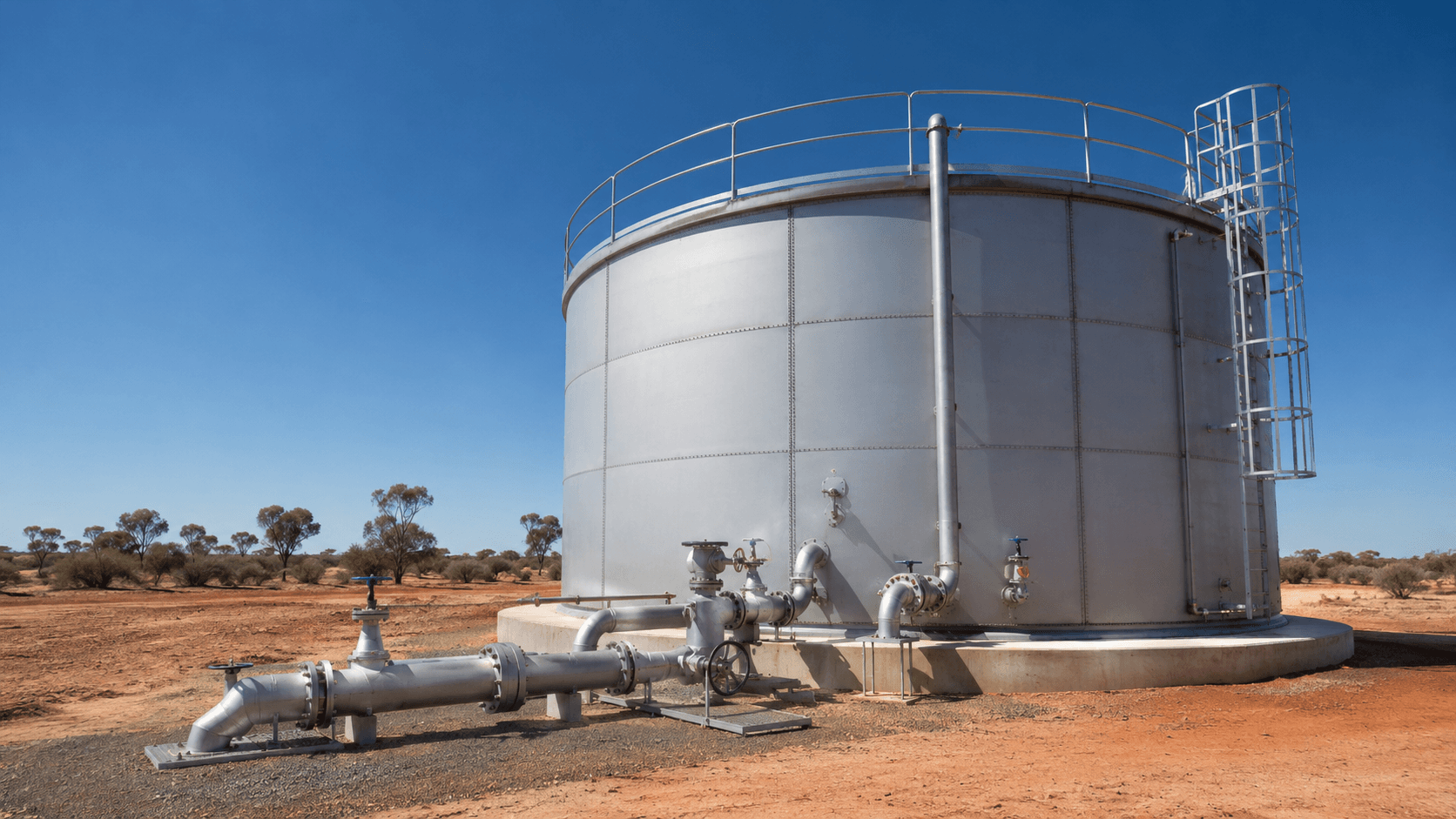
Roof type is one of the more consequential decisions in a tank's design, affecting structural load, contamination risk, and how the tank is inspected and maintained for its entire service life — yet it is frequently treated as a secondary detail behind wall material and capacity.
Fixed roofs
A conventional fixed roof — flat, low-slope, or coned — is structurally simple, well understood, and suits the majority of potable and fire water tank applications. Its main design considerations are snow, wind and internal pressure loading, and providing adequate access, venting and hatch provision for inspection and maintenance.
Floating roofs
A floating roof rests directly on the stored liquid surface and rises and falls with the water level, primarily used to minimise vapour space and evaporation losses — a consideration more common in fuel and chemical storage than typical water storage, but occasionally relevant for large open reservoirs where evaporation and surface contamination are significant concerns.
Geodesic dome roofs
A geodesic dome — a lightweight, triangulated structural lattice — is a common retrofit and new-build option for open or ageing reservoirs, converting an open or poorly covered water body into an enclosed, contamination-resistant structure without the weight and cost of a full conventional roof span. It is particularly well suited to large-diameter reservoirs where a conventional fixed roof would require heavy internal support structure.
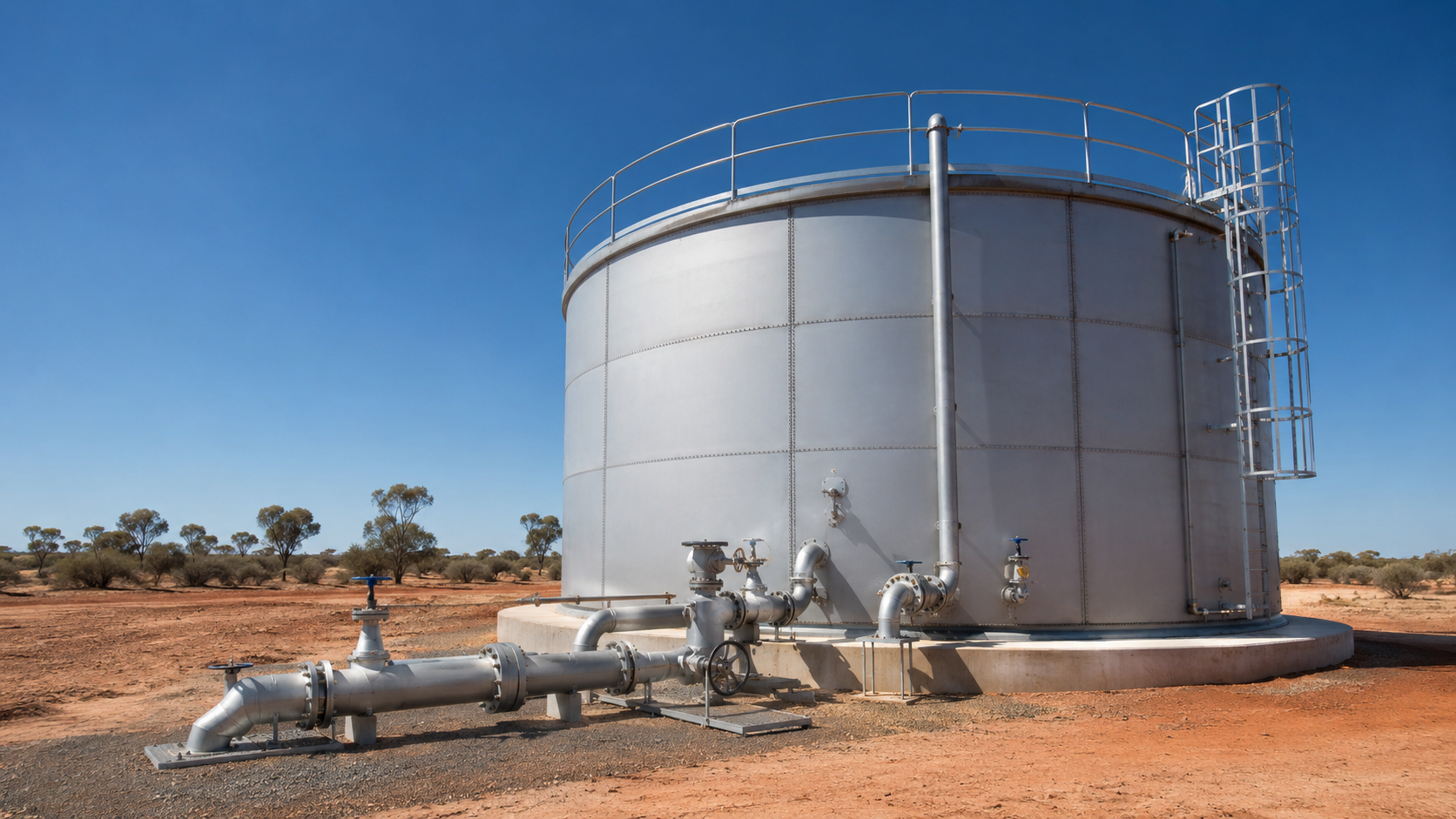
An open or poorly sealed reservoir is exposed to windblown debris, bird and animal contamination, and algae growth from sunlight penetration — risks a properly designed and sealed roof, of any type, is specifically intended to eliminate. Converting an open reservoir to a covered one (commonly via a geodesic dome retrofit) is one of the more impactful water-quality improvements available for an older open storage asset, independent of any other maintenance work.
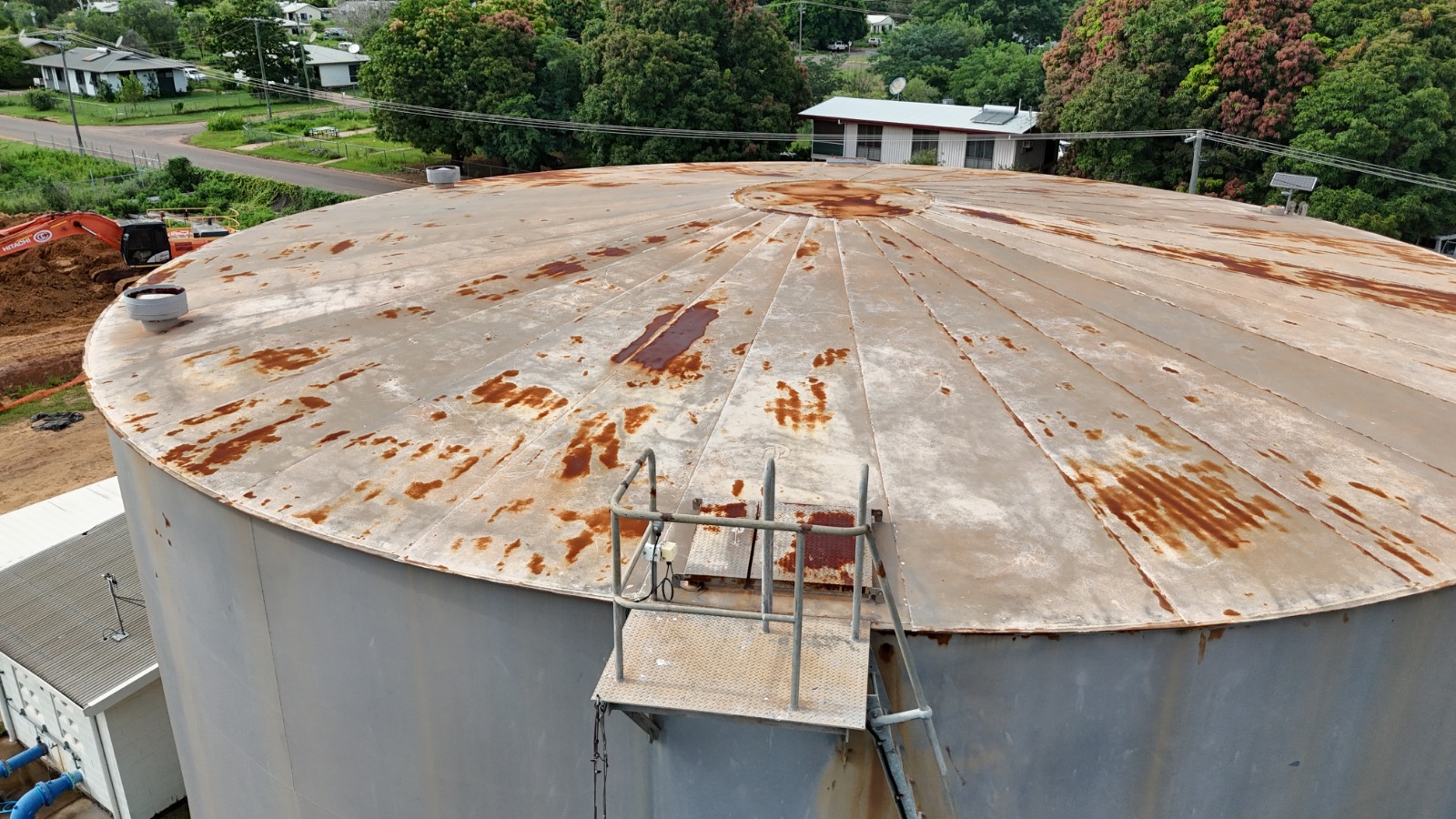
The right roof type is not about which one looks most modern — it is about matching the structural span, the maintenance access requirement, and the contamination risk profile to the specific tank. An open reservoir converted to a properly enclosed one is often a bigger water-quality win than any amount of internal cleaning.
| Situation | Likely fit |
|---|---|
| Standard-diameter potable or fire tank | Fixed roof — well understood, structurally straightforward |
| Large-diameter reservoir, avoiding internal support columns | Geodesic dome — spans large areas without heavy internal structure |
| Existing open reservoir needing contamination control | Geodesic dome retrofit — enclosing without full reconstruction |
| Large open reservoir with significant evaporation concerns | Floating roof — reduces vapour space and evaporation loss |
Can an existing open reservoir be retrofitted with a roof without rebuilding the tank?
Yes — a geodesic dome retrofit is a common approach specifically because it can enclose a large existing reservoir without requiring internal support structure or a full tank rebuild, making it one of the more practical ways to improve contamination control on an older open asset.
Do floating roofs suit typical potable water storage?
They are less common in typical potable applications and more associated with fuel and chemical storage where evaporation control is the primary driver. For most potable water tanks, a fixed roof or geodesic dome is the more usual specification.
Does roof type affect how a tank is inspected and maintained?
Yes — access provision, hatch placement and internal support structure all vary by roof type, which affects how straightforward routine inspection and maintenance are over the tank's service life. This should be considered at design stage, not left as an afterthought once the roof type is chosen for other reasons.
Specifying a new tank roof, or considering enclosing an existing open reservoir? The right roof type depends on span, exposure and maintenance access, not just cost.
Discuss your roof design options