/ Section
Corrosion & Coatings
Corrosion is the single largest driver of water tank deterioration in Australia, and it rarely announces itself early. By the time a coating failure is visible from the outside, the mechanism behind it has usually been running for years.
These articles cover how to read the failure modes, how coating systems and cathodic protection actually protect steel, and where concrete and steel assets deteriorate through fundamentally different processes that need different responses.
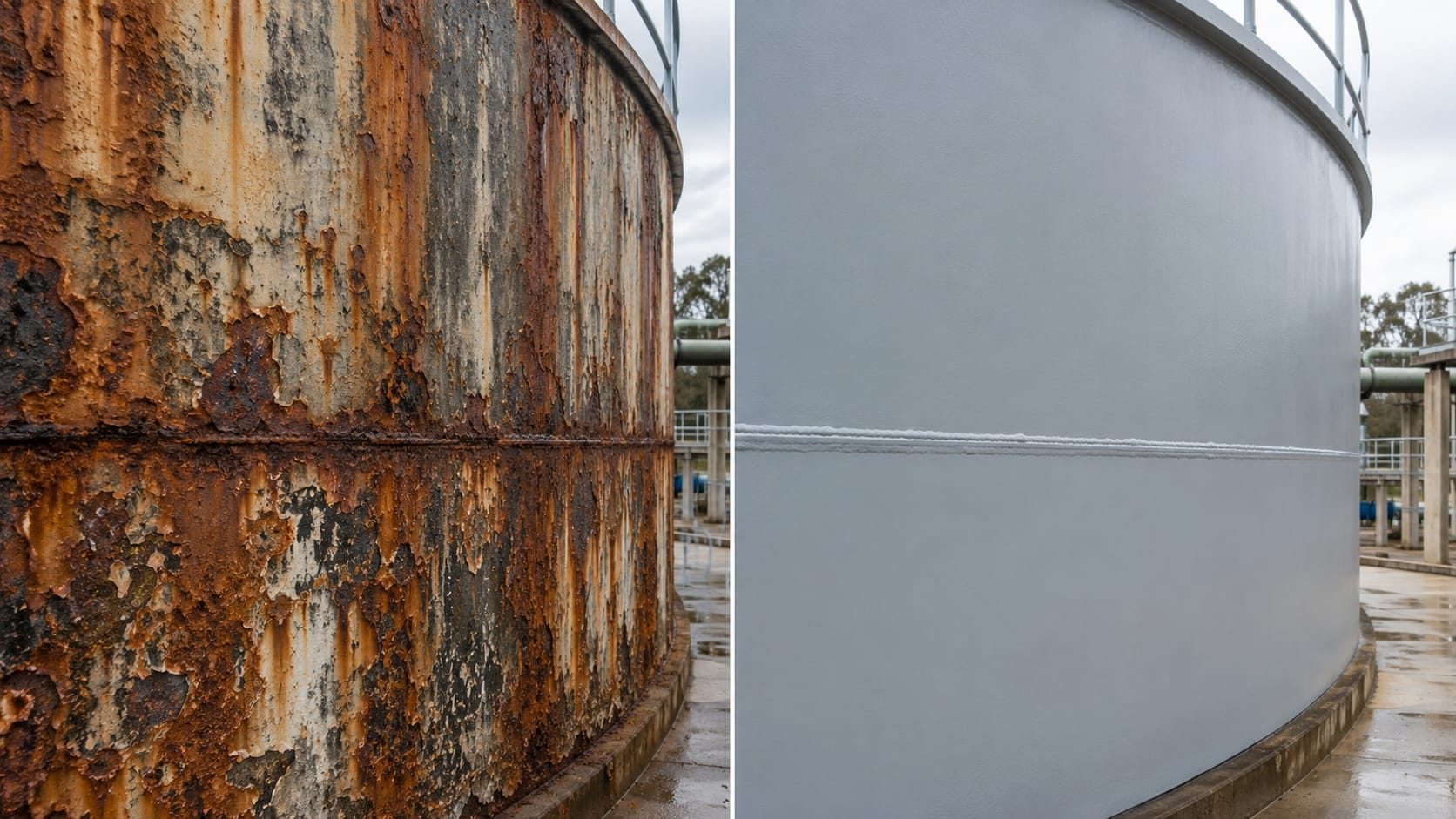
How to Read a Tank Coating Failure: Blistering, Delamination and Undercutting
Coating failure on a steel tank is not one thing — it is a diagnosis. Learn to read blistering, delamination, undercutting and holidays, and what each one tells you about the asset underneath.
More in this section
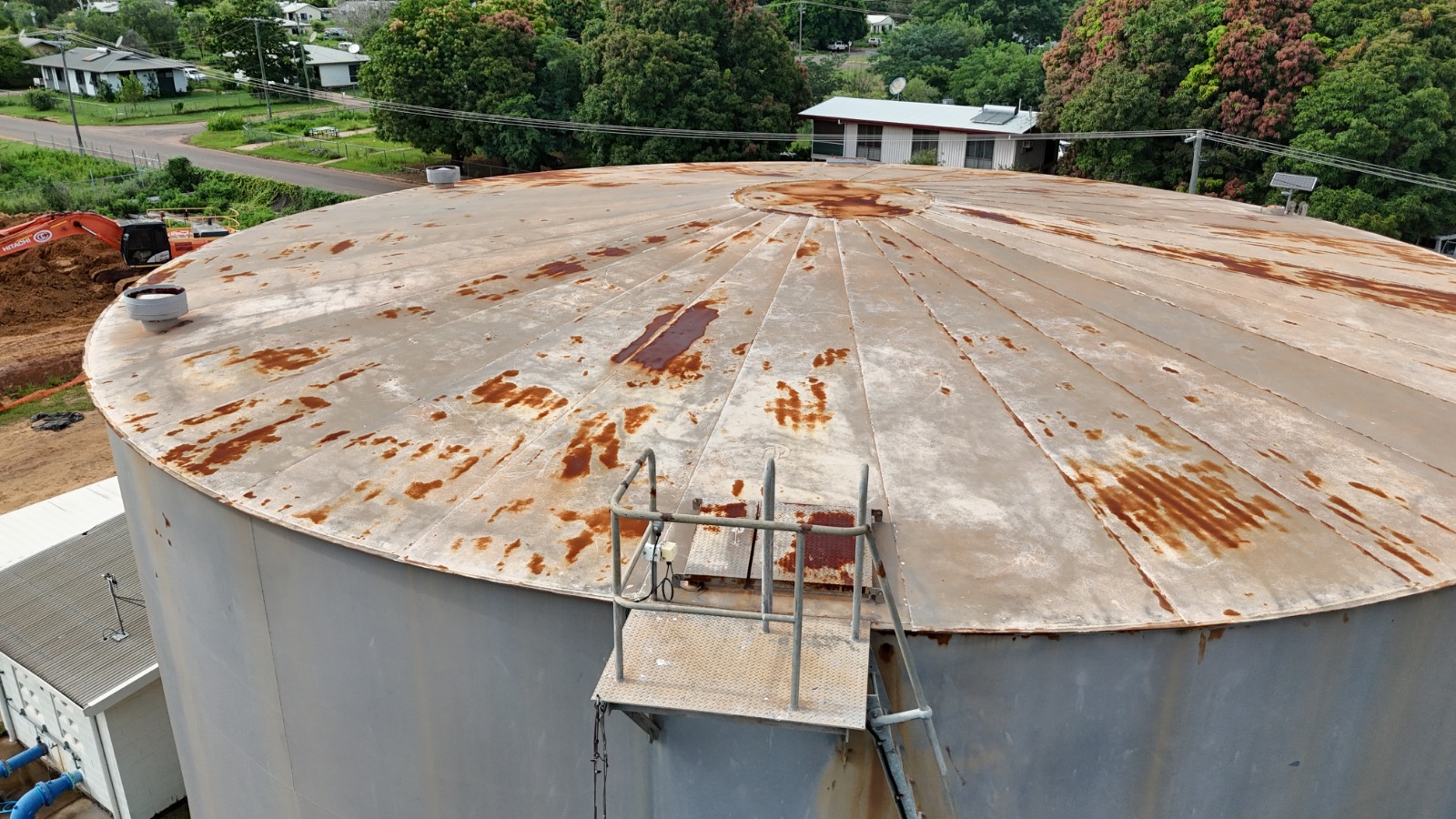
Boiler Feed Water Storage: Condition Requirements That Differ From Drinking Water
6 min read
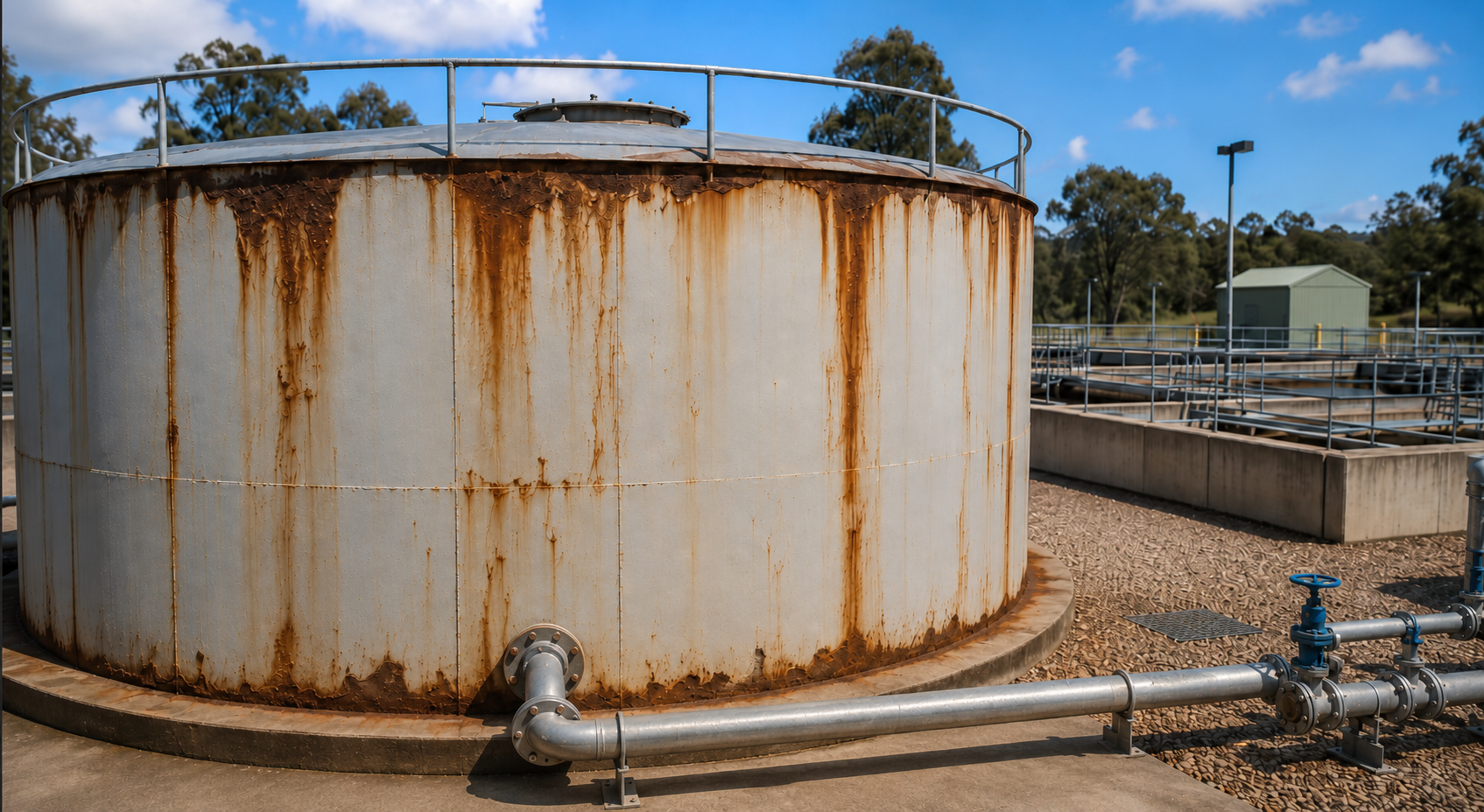
Sacrificial Anode vs Impressed Current Cathodic Protection: Which Suits Your Tank
7 min read
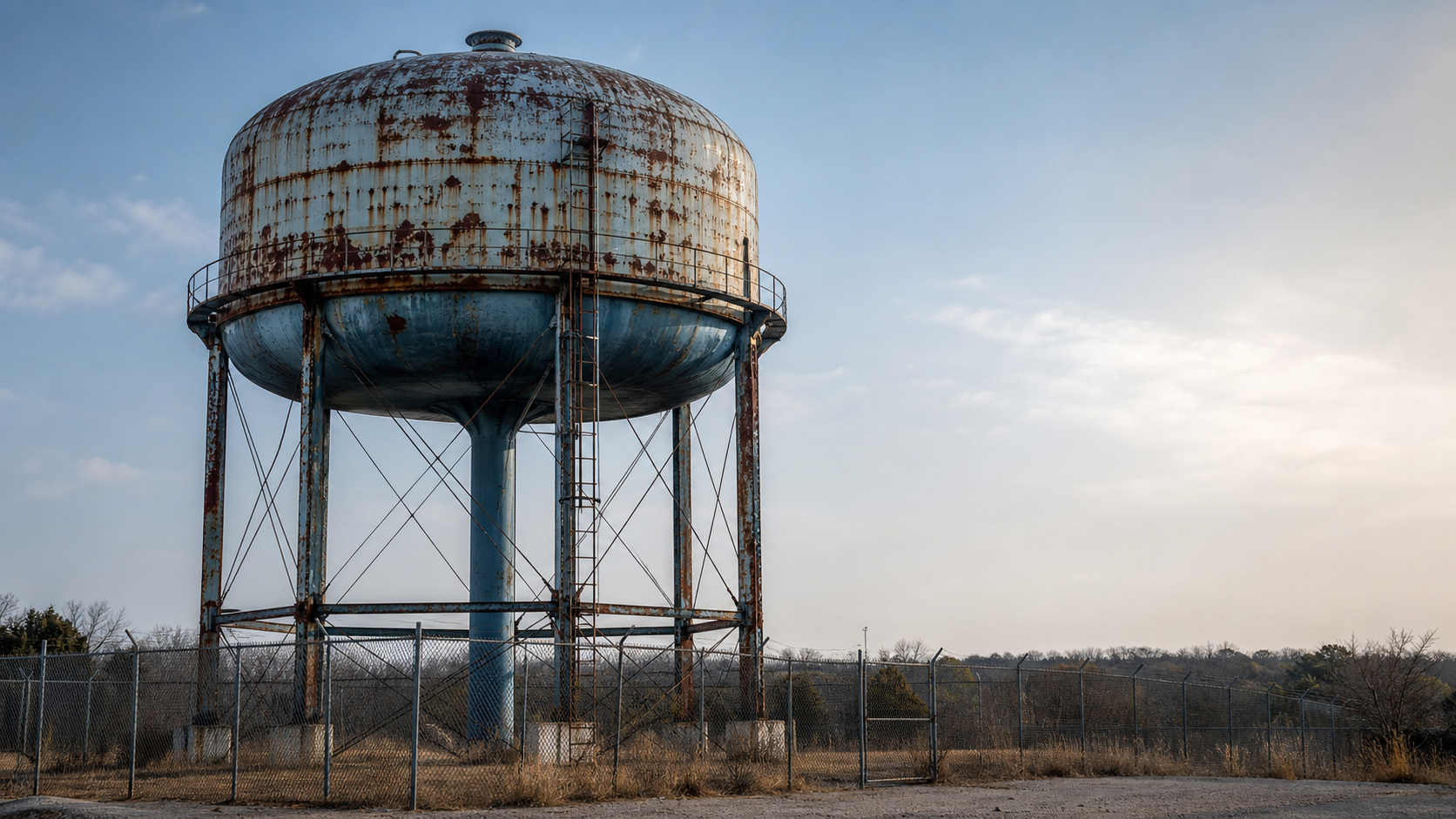
GRP and Glass-Fused-to-Steel Panel Tanks Explained
6 min read
Surface Preparation for Tank Coatings: What SA2.5 Blast Cleaning Actually Means
6 min read
Vapour Corrosion Inhibitors and Internal Atmosphere Control in Partially Full Tanks
6 min read
Water Tank Coating Systems Compared: Epoxy, Polyurethane and Zinc-Rich Primers
7 min read
All Corrosion & Coatings
14 articles14 results
Boiler Feed Water Storage: Condition Requirements That Differ From Drinking Water
Sacrificial Anode vs Impressed Current Cathodic Protection: Which Suits Your Tank
GRP and Glass-Fused-to-Steel Panel Tanks Explained
Surface Preparation for Tank Coatings: What SA2.5 Blast Cleaning Actually Means
Vapour Corrosion Inhibitors and Internal Atmosphere Control in Partially Full Tanks
Water Tank Coating Systems Compared: Epoxy, Polyurethane and Zinc-Rich Primers
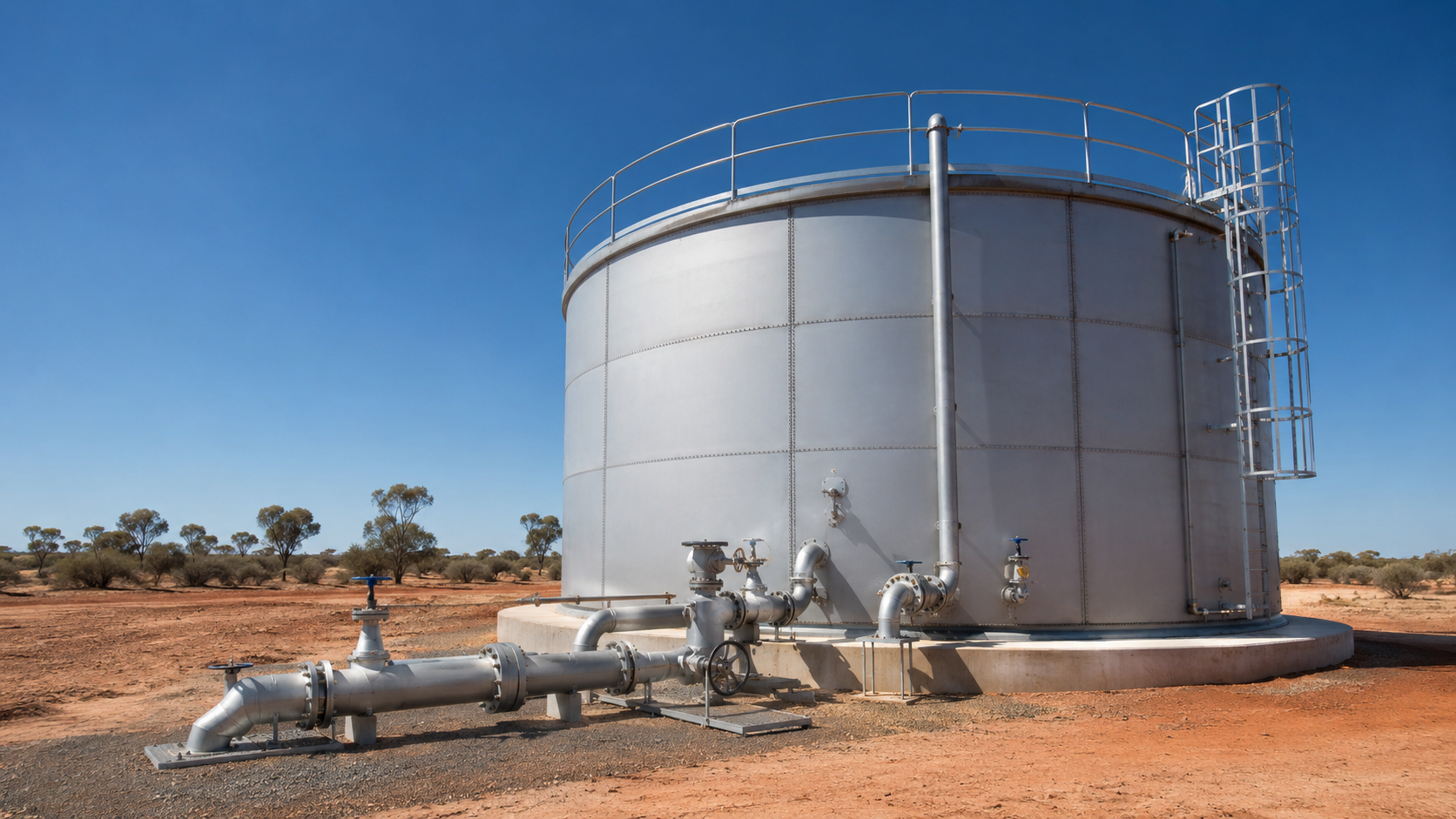
Water Infrastructure Contractors for Mining Projects: What to Look for in a Delivery Partner
High-TDS and High-Salinity Process Water: Corrosion Considerations for Mine-Site Tanks
Leach Tank Refurbishment: Structural Repair for Corrosive Process Environments
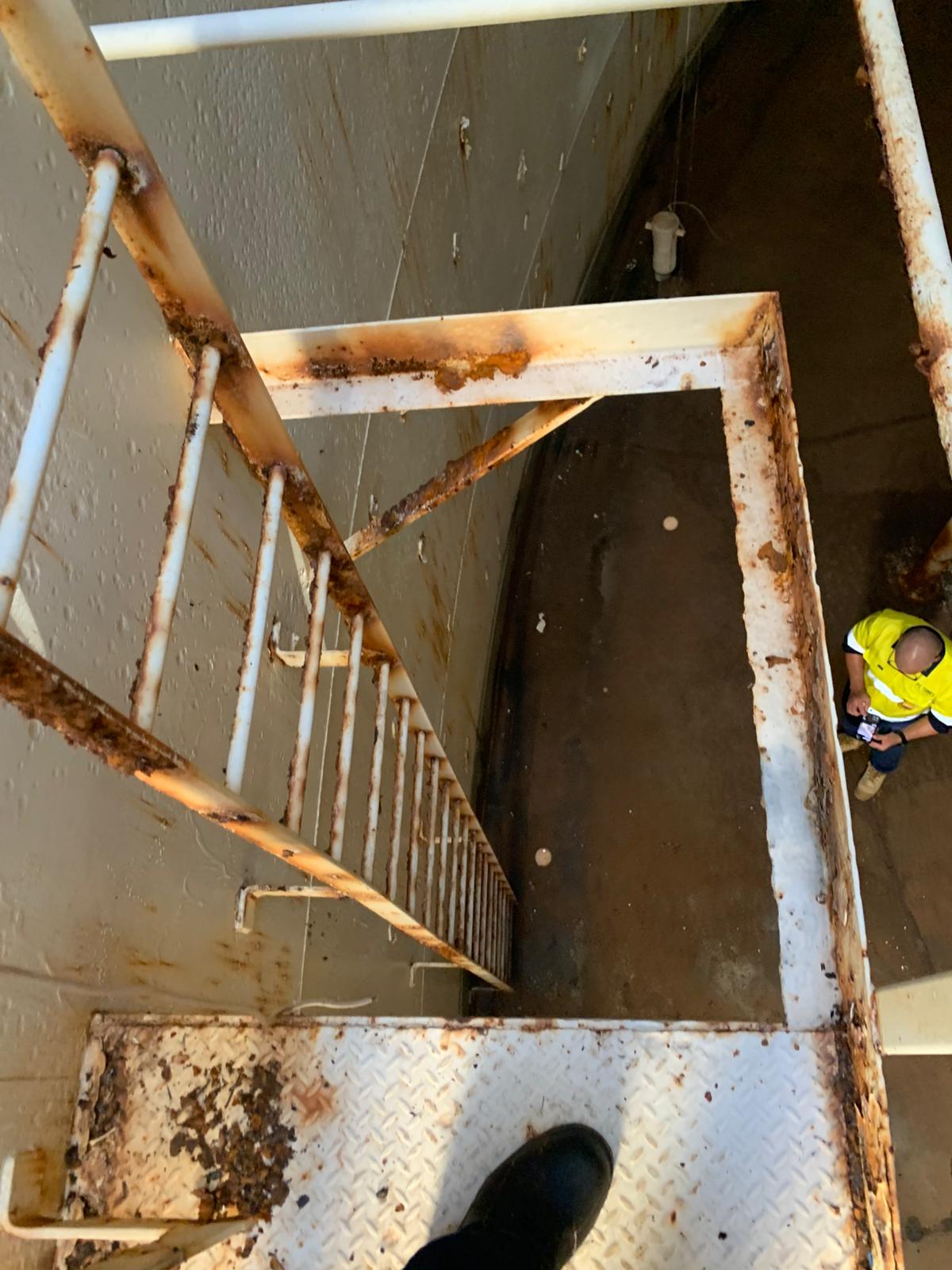
Concrete Reservoir Spalling vs Steel Tank Corrosion: What’s Different

CIL Tank Refurbishment: Repairing Carbon-in-Leach Circuits Without Stopping Production
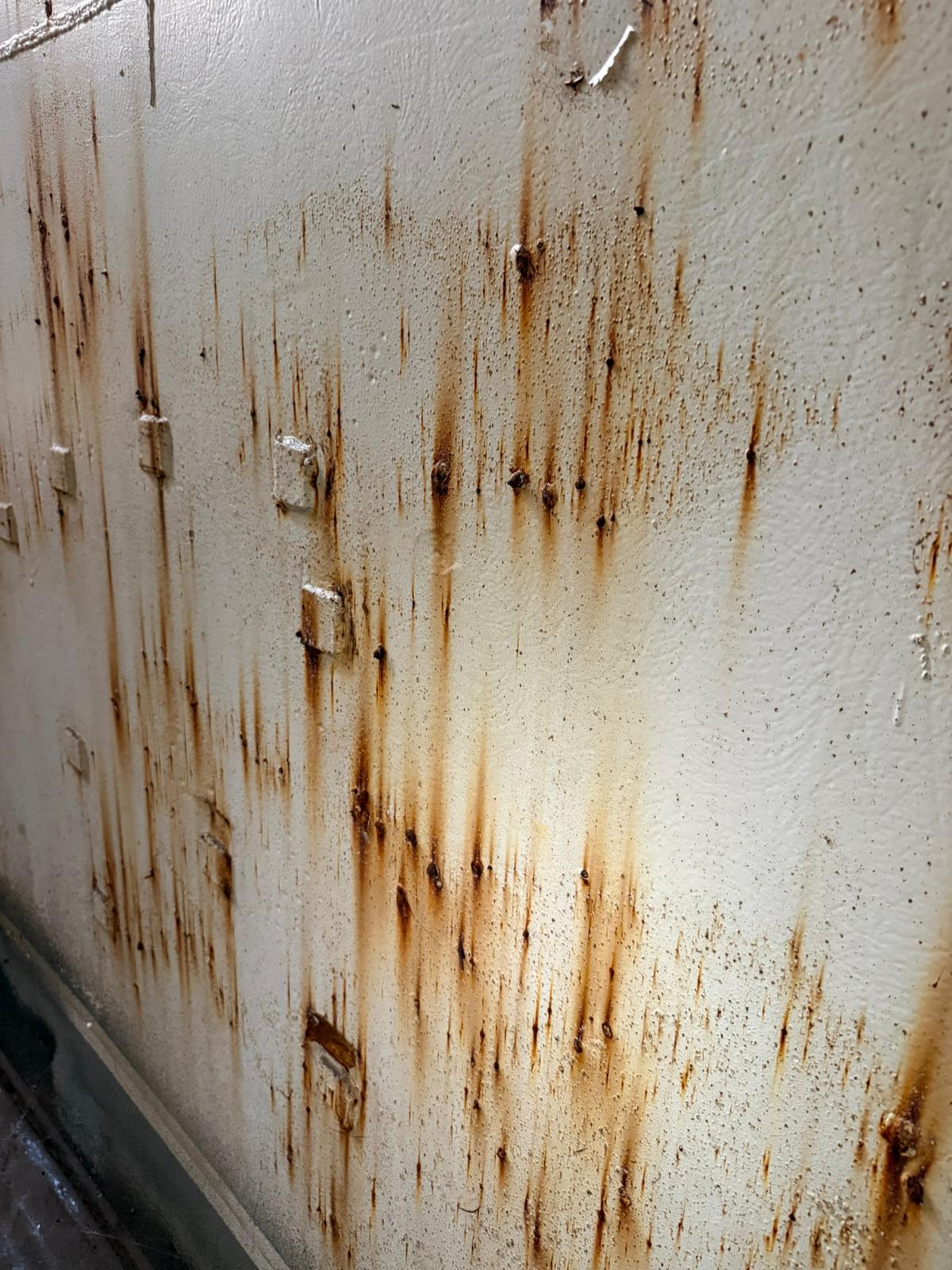
Cathodic Protection for Steel Water Tanks: Does Your Tank Need It?
How to Read a Tank Coating Failure: Blistering, Delamination and Undercutting
Corrosion Is Killing Your Storage Tanks — And Here’s How To Stop It
NEED THIS APPLIED TO YOUR ASSET?
Our engineers respond to technical and project enquiries within one business day.